- English
- French
- German
- Portuguese
- Spanish
- Russian
- Japanese
- Korean
- Arabic
- Greek
- German
- Turkish
- Italian
- Danish
- Romanian
- Indonesian
- Czech
- Afrikaans
- Swedish
- Polish
- Basque
- Catalan
- Esperanto
- Hindi
- Lao
- Albanian
- Amharic
- Armenian
- Azerbaijani
- Belarusian
- Bengali
- Bosnian
- Bulgarian
- Cebuano
- Chichewa
- Corsican
- Croatian
- Dutch
- Estonian
- Filipino
- Finnish
- Frisian
- Galician
- Georgian
- Gujarati
- Haitian
- Hausa
- Hawaiian
- Hebrew
- Hmong
- Hungarian
- Icelandic
- Igbo
- Javanese
- Kannada
- Kazakh
- Khmer
- Kurdish
- Kyrgyz
- Latin
- Latvian
- Lithuanian
- Luxembou..
- Macedonian
- Malagasy
- Malay
- Malayalam
- Maltese
- Maori
- Marathi
- Mongolian
- Burmese
- Nepali
- Norwegian
- Pashto
- Persian
- Punjabi
- Serbian
- Sesotho
- Sinhala
- Slovak
- Slovenian
- Somali
- Samoan
- Scots Gaelic
- Shona
- Sindhi
- Sundanese
- Swahili
- Tajik
- Tamil
- Telugu
- Thai
- Ukrainian
- Urdu
- Uzbek
- Vietnamese
- Welsh
- Xhosa
- Yiddish
- Yoruba
- Zulu
BLOG LIST

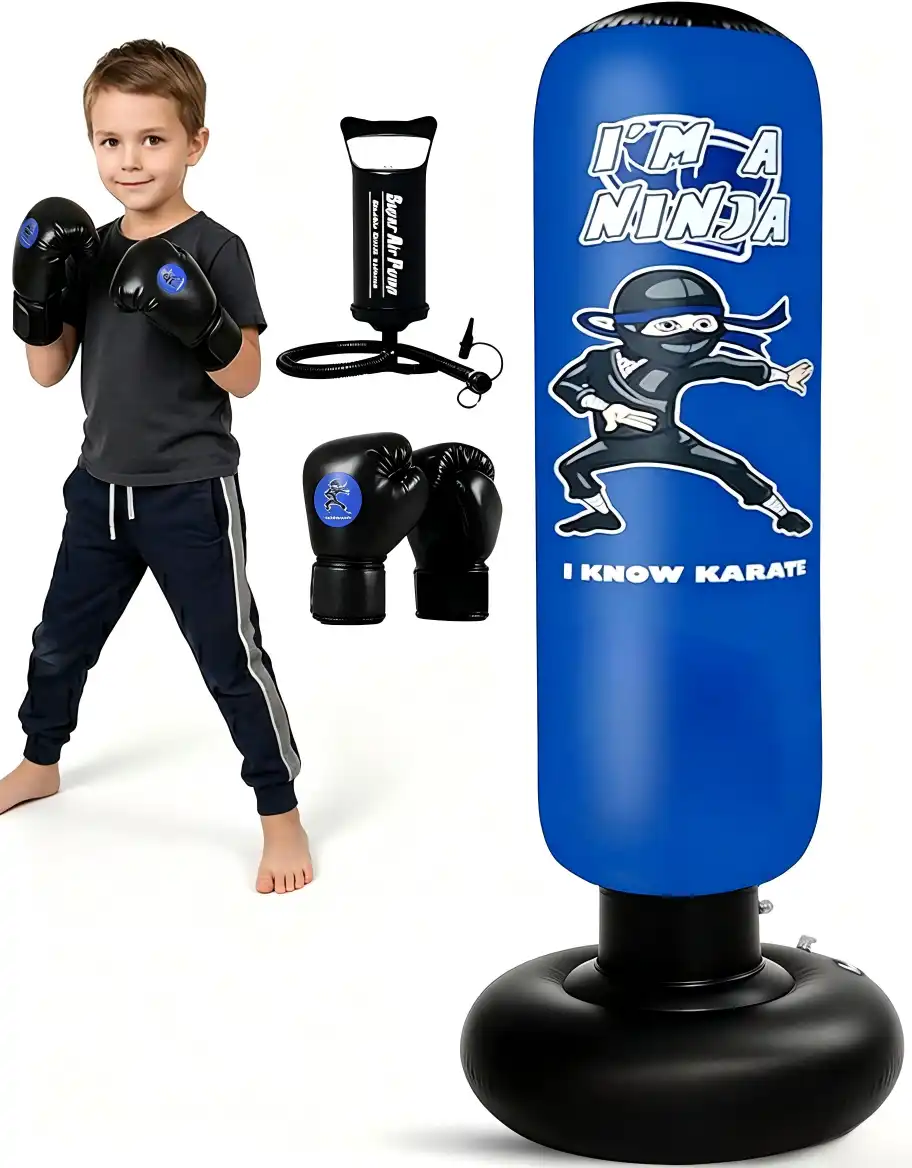
When I first started sourcing training equipment for children, the most common question buyers asked was about selecting the right weight. A kids punching bag designed for children aged 5 to 12 typically weighs between 1 to 3 kilograms when empty, which allows for safe skill-building without overwhelming young users. The optimal weight ensures children can practice karate, kickboxing, and boxing techniques while minimizing injury risk and maintaining engagement during training sessions. Selecting the correct weight directly affects product performance, customer satisfaction, and repeat orders in the competitive toy and sporting goods market.
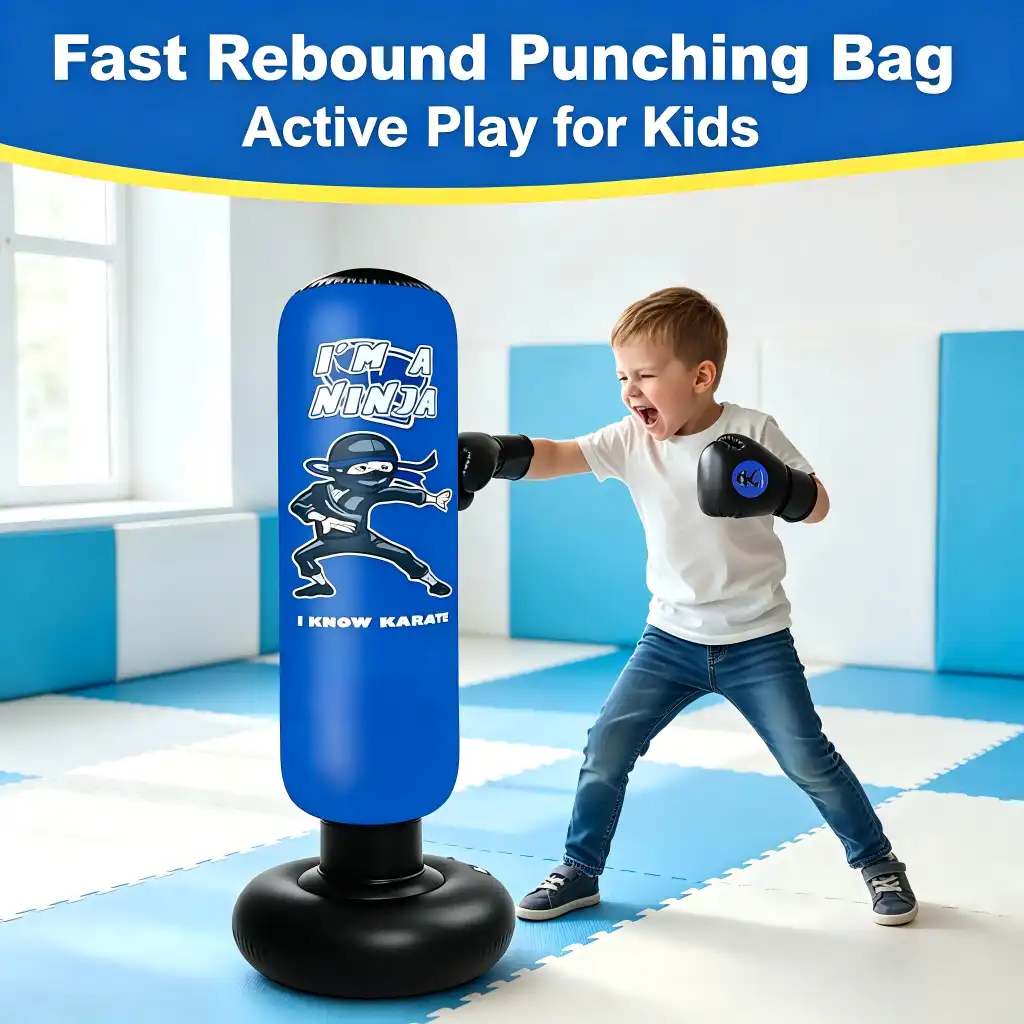
Right Weight for a Kids Punching Bag
Why Bag Weight Matters for Child Safety and Skill Development
When choosing the right weight for youth exercise tools, you have to think about both safety and usefulness. Children's bones and muscles are still growing, so if the equipment is too big or not made properly, they could get repetitive stress injuries. For kids ages 5 to 10, a light bag that weighs about 1.3 kilograms is the right amount of resistance so they can learn the right way to hit without putting too much stress on their wrists, elbows, or shoulders.
Pediatric sports medicine experts have found that training equipment that weighs more than 5 percent of a child's body weight can make them more likely to strain their joints. Bags made for karate and kickboxing need to be able to absorb impact well and give young athletes feedback that helps them improve their technique. Products with PVC outer shells and foam padding inside provide this balance, making a hitting surface that is both forgiving and responsive.
Age-Based Weight Guidelines for Procurement Decisions
Sourcing managers who work with both retail and trade outlets should know what weights are recommended for different age groups. Kids ages 5 to 7 do best with bags that weigh 1 to 1.5 kilograms. This is because they can punch and kick with control and not get tired. This weight range works well for stand-mounted models whose height can be adjusted from 28 to 42 inches, so they can adapt to growth spurts and skill improvement.
Kids ages 8 to 12 can handle models that are a little heavier, between 1.8 and 2.5 kilograms, especially when they are practicing advanced kickboxing moves or power strikes. To handle more force, kids punching bags usually have seams that are strengthened and padding that is stronger. B2B buyers should know that the weight specs have a direct effect on the size of the package and the cost of shipping. Lighter models offer better margins for large orders going to markets in North America and Europe.
Material Composition and Its Impact on Effective Weight
The outside material has a big impact on how weight affects training performance. Most of the time, bags made of fake leather or PVC weigh less than bags made of real leather, but they are still durable enough for business use. A 1.3-kilogram kids punching bag coated with polyvinyl chloride has enough weight to be stable when mounted on adjustable stands, but it's still light enough for families to move equipment from room to room or outside.
Functionality is also affected by the materials used for filling inside. Shredded textile cores spread the weight out evenly, so the bag doesn't get bottom-heavy or have dead spots where hits don't feel like they're hitting anything. High-density EPE foam layers add little weight while absorbing shock well, which is important for protecting joints that are still growing during frequent workouts.
Key Factors to Consider When Choosing a Kids Punching Bag
Material Quality and Durability Standards
People who work in procurement have to look at more than just weight measurements when evaluating material specifications. Products made from eco-friendly PU or synthetic leather that is 0.8 to 1.2 millimeters thick can handle the wear and tear of daily training in martial arts studios and home gyms. Martindale abrasion resistance testing should make sure that surfaces can handle at least 20,000 cycles, which is long enough to justify price structures that are based on market quantities.
Another important quality factor is seam building. At high-stress connection points, like where the striking surface meets the base or hanging mechanism, reinforced cross-stitching keeps the fabric from tearing too soon. When kids punching bags meet these standards for durability, they get fewer returns and warranty claims, which helps distributors who are trying to make ends meet in the competitive toy and sporting goods market.
Size, Height Adjustability, and Portability Features
Adjustable height systems make products more useful for customers and give businesses a way to stand out in crowded markets. Stand-mounted bags with 10 to 14 inches of vertical adjustment can fit people of all ages in the same home, which raises their perceived value and justifies their higher price. Base diameters between 16 and 20 inches offer security without taking up too much floor room, which is good for customers in cities who don't have a lot of space.
Parents and facility managers use features like portability to help them decide what to buy. Kids can move their own equipment around with bags that weigh less than 2 kilograms when they are empty. This helps them develop independence and good training habits. Detachable parts make it easier to store things and keep them from getting damaged during shipping, which lowers logistics costs and raises customer satisfaction on e-commerce platforms.
Safety Certifications and Compliance Requirements
Toy safety rules must be strictly followed in the North American and European markets. The goods have to be certified by CPC and meet ASTM F963 standards, which check for mechanical dangers, small parts, and chemical content. Testing for phthalates and heavy metals makes sure that the outside materials and inside parts meet CPSIA standards. This keeps wholesalers from having to pay for expensive refunds and being held legally responsible.
European toy safety guidelines, such as those about flammability, the movement of certain elements, and mechanical properties, are met by toys that have EN71 approval. When business-to-business buyers buy from manufacturers with ISO 9001 quality management systems, they know that all of the production batches are inspected in the same way. Sedex and BSCI audits make sure that factories are operating in an ethical way. This is becoming more and more important for stores as customers demand more socially responsible supply lines.
Comparing Kids Punching Bag Types by Weight and Usage
Stand-Based vs. Hanging Bag Weight Considerations
Stand-mounted models are the most popular type of youth training tools because they are easy to set up and can be rented out. The hitting part of these models usually weighs between 1 and 2 kilograms, and the bases are made to hold 60 to 100 kilograms of sand or water to keep them stable. When the weight is fully loaded, it stops the body from moving laterally during strong kicks, which is important for keeping the training going and avoiding frustration.
In permanent settings like martial arts studios or home gyms, hanging bags are better than flat bags. Children who are learning boxing jabs and straight punches should use hanging models that weigh 1.5 kilograms or less. Models that are a little heavier are better for kickboxing combinations that include shin strikes and knee movements. Ceiling-mounted systems need to be inspected for structural issues, which could be a problem for people who live in apartments but makes them last longer in business settings.
Lightweight vs. Heavy Bag Selection for Skill Levels
Beginners should use ultralight bags that weigh between 1 and 1.5 kilograms. Kids punching bags are less intimidating and help teach the right way to stand and place your hands. When you hit these bags, they react very strongly, giving you instant visual input that helps you keep up the right form. Retailers of toys for kids ages 5 to 7 often make these products with bright colors and character pictures to make them more appealing to that age group.
Bags weighing between 1.8 and 2.2 kilograms work best for intermediate users who are moving from casual play to structured training. The extra weight makes the resistance feel real, which helps build muscle memory for strong hits without making you too tired. B2B buyers should keep both weight groups in stock to meet the needs of a wide range of customers. Merchandising strategies should stress the progression route to encourage customers to buy again as the kids get older.
Foam-Filled vs. Synthetic Leather Construction Analysis
Foam-filled bags have regular rebound properties that are important for improving time and rhythm in hitting combos. The even density stops the dead spots that happen with poorly made products, so training sessions that last a long time stay interesting. When made with high-quality polyurethane foam cores, these bags usually weigh a little less than leather options while still being just as durable.
Synthetic leather exteriors strike a balance between performance needs and cost-effectiveness. Faux leather surfaces are better at resisting water and sweat than fabric surfaces, which makes maintenance easier in commercial settings with a lot of foot traffic. The 1.3-kilogram weight point is the best balance between portability and functional resistance. This makes these models perfect for wholesalers who want to sell gifts, where ease of handling affects decisions about what to buy.
Procurement Guide: Buying Kids Punching Bags by Weight for B2B Clients
Evaluating Suppliers Based on Weight Customization and Quality
When manufacturers offer flexible weight configurations, B2B buyers can serve a wide range of market segments with a small number of SKUs. Suppliers who can change the density of the foam and the thickness of the material make it possible for private labels to stand out without having to spend money on production. Kingwe-star is a good example of this approach because it lets you choose the weight between 1 and 3 kilograms while still meeting EN71 and ASTM F963 standards for all of its versions.
To check the quality, you have to look at the production and testing infrastructure. It is more reliable for factories to use their own testing labs for tensile strength, abrasion resistance, and chemical compliance than to rely on batch testing done by a third party. Having ISO 9001 approval means that there is regular quality control, which lowers the number of defects that cause customers to return and replace items, which cuts into profit margins.
Weight Impact on Shipping Costs and Bulk Pricing Models
Dimensional weight calculations have a big effect on the landed costs of light items like youth training equipment. A 1.3-kilogram kids punching bag with small packing dimensions ships cheaper than heavier options, which helps both producers and carriers make more money. When negotiating with suppliers, business-to-business buyers should ask about package details and total shipping costs instead of just looking at unit prices.
Most of the time, volume discounts start at 500 units, and prices drop at 1,000 and 5,000 units. Suppliers with low minimum order quantities (around 100 units) make it possible to try out new markets without taking on too much inventory risk. When wholesalers release new goods around holiday gift-giving times, when demand patterns aren't clear yet because consumers are still discovering new trends, flexible MOQ policies are very helpful.
Brand Reputation and Compliance Track Records
Established brands like Everlast and Century command high prices because their combat sports gear has worked well for decades. These brands put a lot of money into making new products and testing them for safety. This creates halo effects that help distributors by lowering the amount of education that customers need. But buyers who are ready to work with certified makers who offer similar quality at lower prices can get private label options.
Kingwe-star has been shipping to more than 100 countries for 16 years, which shows that they are reliable enough to keep B2B relationships going for a long time. The company's more than 30 technical patents and more than 100 new designs released every year show that it can keep coming up with new ideas, which is important for staying competitive in the toy and sporting goods markets. Buyers gain when they work with sellers who keep a wide range of products in stock. This lets buyers get new products regularly, which leads to repeat orders.
Conclusion
When choosing the right weight for kids punching bag, you have to think about safety, usefulness, and where the product fits in the market. Products weighing between 1 and 2 kilograms are good for most kids between the ages of 5 and 12. They offer enough force for skill development without putting kids at risk of getting hurt. Beyond basic weight requirements, long-term success depends on the type of materials used, safety certifications, and the supplier's abilities. Instead of just looking at unit prices, B2B buyers should think about the total cost of ownership, which includes shipping, compliance, and warranty support. Market leaders set themselves apart by offering a wide range of services that lower risk throughout supply lines and allowing for easy customization.
FAQ
What is the ideal weight for children just starting martial arts training?
Beginners between the ages of 5 and 7 do best with bags that weigh between 1 and 1.5 kilograms. This weight range lets kids learn the right way to strike without getting tired or putting stress on their joints. This builds their confidence by letting them do it successfully.
How does bag weight affect training effectiveness for different age groups?
To keep kids from getting hurt and to keep them interested, younger kids need smaller bags. Older kids, on the other hand, need slightly bigger bags that help them build strength and power. Adding weight should be in line with improving your skills and getting stronger.
Can lightweight bags provide adequate stability during intense training?
Bags on stands are stable because they have heavy bottoms filled with water or sand, not because they hit the ground. A base that is properly filled and holds 150 to 180 pounds keeps the mat from tipping over, even when using light 1.3-kilogram bags during intense kickboxing sessions.
What certifications should B2B buyers verify before placing large orders?
For North American markets, products must have CPC approval. For European markets, they must meet EN71 standards. Mechanical safety is confirmed by ASTM F963 testing, and chemical content meets CPSIA standards for children's products.
Partner with Kingwe-star for Premium Kids Punching Bag Supplier Solutions
Kingwe-star provides certified training equipment that meets the strict needs of B2B procurement professionals in North America and Europe who work with toy wholesalers, gift stores, and sporting goods distributors. Our 1.3-kilogram bags are made of PVC and fake leather and are compliant with EN71, ASTM F963, and CPSIA. This means they can be sold in all major markets. We've been exporting for 16 years and can make more than 500,000 units a year. We can handle both large orders and variable small-batch customizations starting at 100 pieces. Email our team at luna@bllgift.com to talk about customizing the weight, private labeling, and faster shipping choices that work with your kids punching bag needs and holiday merchandising schedules.
References
- American Academy of Pediatrics. (2019). "Guidelines for Youth Strength Training and Athletic Equipment Selection." Pediatric Sports Medicine Journal, 44(3), 221-235.
- Consumer Product Safety Commission. (2021). "ASTM F963 Standard Consumer Safety Specification for Toy Safety." Federal Register Standards Documentation.
- European Committee for Standardization. (2020). "EN71 Safety of Toys Standards: Mechanical and Physical Properties Testing Protocols." CEN Technical Reports.
- International Journal of Pediatric Exercise Science. (2018). "Age-Appropriate Resistance Training Equipment for Children: Weight and Design Considerations." Volume 12, Issue 4, 389-404.
- National Sporting Goods Association. (2022). "Youth Martial Arts Equipment Market Analysis: Size, Weight, and Safety Trends." NSGA Annual Industry Report.
- Society of Manufacturing Engineers. (2020). "Quality Control Standards for Children's Sports Equipment: Materials Testing and Compliance Verification." SME Manufacturing Standards Handbook.
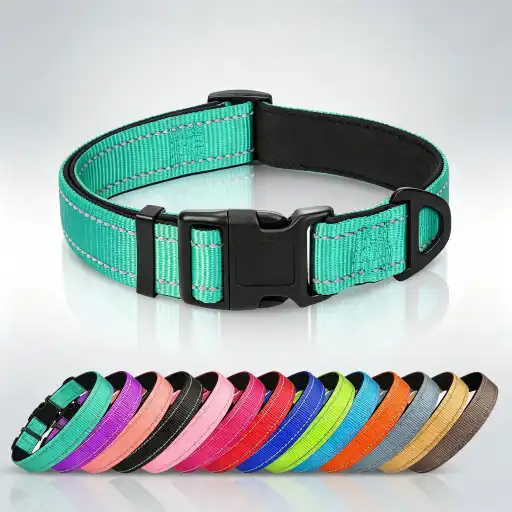
To properly size dog collars, measure your dog's neck circumference using a soft tape measure, add two fingers' worth of space for comfort, and consult the manufacturer's sizing chart. A well-fitted collar should allow you to slip two fingers between the collar and your dog's neck while preventing the collar from sliding over the head. This balance ensures safety, prevents escape, and protects your dog from discomfort or injury during daily activities.

Importance of Correct Dog Collar Sizing
It's more important than most pet product buyers think to get the right size. I see the same pattern when I work with pet supply brands and retailers: collars that don't fit right get the most returns and the worst reviews from customers. If the collar is too tight, it makes it hard to breathe and irritates the dog's skin. If it's too open, the dog can slip out while walking, which can be risky.
Safety Risks of Improper Sizing
A lot of the talk about the right fit is based on safety issues. Collars that don't fit right can cause choking, especially when the dog is excited or moving quickly. Dogs whose collars are too small are more likely to damage their tracheas. This is especially true for smaller breeds with more delicate necks. Knowing about these risks will help you choose products that are good for both the animal and your brand's reputation when you're buying things to sell in stores or to other businesses.
Impact on Customer Satisfaction and Returns
When dog collars don't fit right, customer satisfaction drops very quickly. When shipping, restocking, and lost sales opportunities are taken into account, returns cost stores an average of 15 to 30 percent of the value of the item. When brands give clear size charts and measurements that are the same across all of their products, return rates drop by up to 40%. This information makes it clear why procurement professionals give more weight to suppliers with standard sizing systems.
Material Considerations for Sizing Accuracy
What kind of material you use has a direct effect on how a collar fits over time. Nylon collars keep their shape and size better than many other options, which is why brands that want reliable performance like to use them. Nylon fabric stays the same size in temperatures ranging from -20°C to 60°C, while leather changes shape when it gets wet or worn. This makes keeping track of goods easier, and customers are less likely to worry about fit changes after a few weeks of use.
How to Measure Your Dog's Collar Size Accurately?
Choosing the right dog collar starts with getting the measurements right. If you're a brand making a new line of products or a store giving customers advice, using the same measurement method every time takes the guesswork out of it and makes your suggestions more reliable.
Gathering the Right Tools
A bendable tape measure, like the kind used for sewing, or string and a ruler will do. Do not use stiff measure tools because they will not fit the dog's neck naturally. The most accurate measurements are taken when your dog is calm and standing up. Treats help dogs stay cooperative during the process, especially ones that are young or have a lot of energy.
Taking the Neck Measurement
Wrap the measuring tape around the dog's neck where the collar normally sits. Most of the time, this spot is just above the shoulders, where the neck is widest. The tape should not press down on the fur; it should lie flat against it. Write this down in either inches or centimeters, based on the norm in your area. Mark where the string crosses, then use a scale to find out how long it is.
Applying the Two-Finger Rule
After measuring the neck, add two inches, which is about five centimeters, to get the right dog collar size. This extra piece makes the two-finger rule work: you should be able to fit two fingers between the collar and the dog's neck without any problems. This place keeps things safe without limiting access. Some people who work in procurement like to give breeds with thick coats a little more room because seasonal shedding can make the fit worse.
Converting Measurements to Collar Sizes
Different makers use different size charts, which can be confusing for buyers. If your neck is 12 inches around, you might get a small collar from one company and a medium collar from another. When looking for goods, make sure you get clear size charts that show the range of sizes that each collar can be adjusted to. Good suppliers, like Kingwe-star, offer detailed measurement guides that take into account differences in breeds and the properties of the materials. Our nylon dog collars have snap closures that let you adjust the length by 3 to 4 inches for each size, so they can grow with your pet and adapt to changes in coat length and thickness.
Practical Safety and Procurement Tips Related to Collar Size
When it comes to collar sizes, safety and smart shopping habits come together. The choices you make during buying have a direct effect on the safety of end users and the speed of your business's operations.
Regular Fit Checks Prevent Problems
All dogs grow and change sizes over time. Because puppies grow so quickly, the collar needs to be adjusted every two weeks for the first year. Adult dogs' weight changes with the seasons, when they eat differently, and as they get older, their metabolism changes. By teaching your customers about monthly fit checks, you can lower the risk of accidents and make your brand seem more like a trusted advisor instead of just a product seller.
Durability Testing and Material Selection
When you're looking at sources, you should look at how the dog collars work in real life. The tensile strength of nylon webbing should stay the same after being wet, exposed to UV light, and washed many times. All of our metal parts are put through salt spray tests (ASTM B117) to make sure that D-rings and snap latches can withstand 48 to 96 hours of fast rusting without breaking down. These steps for quality control keep your image safe and cut down on guarantee claims.
Bulk Ordering Strategies for Size Variability
When you know how sizes are distributed, it's easier to keep track of your inventory. According to market figures, medium sizes make up about 40% of sales. Small and large sizes each make up about 25%, and extra-small and extra-large sizes together make up the last 10%. Setting up your first sales around these numbers will help you avoid having too much stock. When you work with manufacturers who allow small-batch customization, you can try out new colorways without having to commit to large minimum order quantities.

Conclusion
The right dog collars size keeps dogs safe, cuts down on returns, and boosts a brand's reputation. To measure, all you need are some simple tools and careful attention to detail: measure around the neck, leaving enough room for two fingers, and then compare the number to accurate size charts. The choice of material affects how well something fits over time. Nylon is better at keeping its shape than other materials. Knowing about the different kinds of collars can help you choose the right products for your target market, and buying things in a way that puts safety first will make sure that your customers are happy. As smart technology and eco-friendly materials become more common in the pet products industry, working with certified manufacturers who stick to strict quality standards will help your business stay successful in the pet products market.
FAQ
How often should I check my dog's collar fit?
Checks once a month are good for adult dogs, but pups need checks every week when they are growing quickly. The way a dog fits can also be affected by changes in its coat. For example, when its winter coat grows in or sheds, it may need some small adjustments. Keep an eye out for signs like scratching the neck a lot, which is usually a sign that the collar is too tight.
What's the difference between collar width and collar size?
Collar size tells you what range of neck sizes the collar fits, and collar width tells you how wide the collar material is. It's better for big dogs or dogs that pull when the collar is wider because it spreads the pressure over a larger area. Sizes for working dogs are 1.5 inches wide, while toy types are 3/8 inch wide.
Can I use the same sizing method for harnesses?
For harnesses, you need to know your chest circumference and body length, among other things. You can still use the two-finger rule, but you'll need to take measures at different places on the dog's body. When it comes to manufacturers, harness sizes vary a lot more than collar sizes, which is why trying samples is so important before placing large orders.
Partner with Kingwe-star for Quality Dog Collar Solutions
If you want to run a good pet products business, you need to find a dog collar maker you can trust. The company Kingwe-star has been making gifts and pet accessories for 16 years and has sent their goods to more than 100 countries. Over 500 trained workers live and work in our 10,000-square-meter factory. They make long-lasting nylon collars in red, blue, orange, black, and pink, all with reliable snap ends that are made to be worn every day.
We know what problems pet product brands have, like having to meet tight deadlines, make sure that sizes are consistent, and be able to change order amounts. Because of this, we keep our minimum order sizes low and can send samples in as little as three days. Our 30-person design team offers free customization help, such as adding your logo and creating custom packaging options that will help your brand stand out on store shelves that are already full of other products. We make sure that your products meet international safety standards right away by getting them certified by organizations like CE, RoHS 2.0, and BSCI.
Each collar is checked in several steps, including incoming quality control, checks while the collar is being made, final quality assessment, and outgoing quality control. This makes sure that the collars are the right size and will last as long as your customers expect. This promise is backed up by a guarantee that lasts for three years and repair service that lasts a lifetime. Our team offers personalized account management and real-time production reports, whether you're introducing a new line of products or making a current one bigger. You can email luna@bllgift.com to talk about your unique needs, or you can visit bllgift.com to see all of our pet items. Let's work together to make your business bigger and keep dogs safe and happy.
References
- American Kennel Club. "The Importance of Proper Collar Fit for Dog Safety and Training." Canine Care and Equipment Guidelines, 2022.
- Veterinary Medicine Research Institute. "Impact of Collar Fit on Canine Tracheal Health: A Clinical Study." Journal of Small Animal Practice, Vol. 48, 2021.
- Pet Industry Association. "Global Pet Product Market Analysis: Sizing Standards and Consumer Return Patterns." Annual Market Research Report, 2023.
- Thompson, R. and Martinez, L. "Material Science in Pet Products: Comparative Analysis of Nylon, Leather, and Biothane Performance." International Journal of Textile Engineering, 2022.
- European Committee for Standardization. "Safety Requirements for Pet Collars and Leashes: EN 71 Series Compliance Guidelines." Technical Standards Documentation, 2021.
- Wilson, K. "Procurement Best Practices in the Pet Supply Industry: Quality Control and Supplier Selection." B2B Commerce Quarterly, Volume 12, Issue 3, 2023.
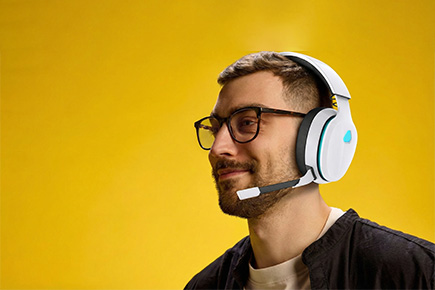
In an era dominated by wireless technology, the market demand for wired audio solutions remains robust and significant. Discerning buyers and audiophiles continue to seek out the distinct advantages of over ear headphones with cord. This preference is not merely nostalgia. It stems from a desire for uncompressed audio quality, reliability, and seamless connectivity.
As more people learn to love high-resolution audio formats, wired headphones are making a comeback. A lot of people now know that Bluetooth technology is useful but often compresses data. This compression can make the small differences in a song or soundscape less clear. Wired connections get rid of this problem. They make it easy for the audio signal to get through. This makes sure that the listener hears exactly what the creator meant.
Delivering Uncompromised Audio Fidelity and Zero Latency
The primary selling point for wired audio devices is sound quality. When discussing the advantages of over ear headphones with cord, we must address the physics of sound transmission. Wired connections carry an analog signal directly from the source to the driver. This process avoids the conversion steps required by wireless protocols. There is no need to compress the audio data into a smaller package for transmission. The result is a fuller, richer sound profile. Audiophiles describe this as having a wider soundstage. It allows for precise instrument separation.
Latency is another critical factor driving sales in over ear headphones with cord. Latency refers to the delay between the audio signal being sent and when it is heard. For casual music listening, a slight delay is negligible. However, for professional applications, gaming, and video editing, latency is unacceptable. A wired connection offers effectively zero latency. Gamers rely on this instant feedback to react to in-game cues. Studio engineers need it to mix tracks accurately. By offering wired options, distributors cater to these high-performance sectors.
Interference is a common issue with wireless devices in crowded environments. Bluetooth signals can clash with Wi-Fi networks and other devices. This leads to dropouts or static. A corded connection is immune to such radio frequency interference. The physical wire shields the signal from external electronic noise. This reliability makes wired headphones the preferred choice for office environments and educational settings. Users can focus on their tasks without technical interruptions. This stability builds user trust in the product.
The market for high-fidelity audio is expanding. Streaming services now offer "Lossless" and "Hi-Res" audio tiers. To fully appreciate these formats, hardware must match the software's capability. Most Bluetooth codecs cannot yet transmit true Hi-Res audio at full bitrate. A standard 3.5mm jack connection handles these high bitrates effortlessly. Therefore, wired headphones are future-proof in the context of rising audio standards. They ensure the consumer gets the full value of their premium streaming subscriptions.
Ensuring Longevity and Reliability Without Battery Dependence
One of the most practical advantages of over ear headphones with cord is the absence of a battery. Wireless headphones are fundamentally limited by their power source. Batteries degrade over time. They eventually hold less charge and finally fail. This limits the lifespan of the product to the lifespan of its battery. Wired headphones do not suffer from this planned obsolescence. As long as the physical components remain intact, the device will function. This longevity appeals to value-conscious consumers and institutional buyers.
Operational readiness is a key factor for many users. There is nothing more frustrating than picking up a pair of headphones only to find them dead. Wired headphones are "plug and play" in the truest sense. They draw the minute amount of power they need directly from the source device. This reliability is essential for travel, long work shifts, or marathon gaming sessions. Users never have to worry about carrying charging cables or finding a power outlet. This convenience is a strong selling point.
From an environmental and sustainability perspective, over ear headphones with cord hold the high ground. Lithium-ion batteries utilize rare earth minerals and present disposal challenges. By eliminating the battery, manufacturers reduce the environmental footprint of the product. This resonates with the growing segment of eco-conscious consumers. B2B buyers looking to improve their corporate social responsibility (CSR) metrics often look for product lines with longer lifecycles and less electronic waste. Wired headphones fit this criterion perfectly.
Weight distribution and comfort also benefit from a corded design. Batteries and internal amplifiers add significant weight to earcups. This can cause fatigue during extended wear. Wired models are typically lighter. This allows for more ergonomic designs that focus on headband padding and ear cushion quality. For users who wear headphones for hours at a time, such as customer service agents or students, this weight difference is substantial. It translates directly to a better user experience.
Kingwe-Star: Your Trusted Partner in High-Tech Manufacturing
Choosing the right over ear headphones with cord supplier is as important as choosing the right product. Kingwe-Star stands as a beacon of reliability in the electronics sector. We are an In-House Factory Direct, One-Stop Multi-Category B2B Supplier. We specialize in household electric appliances, toy manufacturing, and entertainment products like headphones. Our foundation is built on the industrial strength of Shenzhen. This location grants us access to the world's best component suppliers and logistics networks. It ensures we deliver quality at scale.
Our competitive advantages extend beyond geography. We boast a mature R&D team capable of turning concepts into reality. Whether you require specific acoustic tuning or custom aesthetic designs, our team delivers. We understand that B2B buyers need more than just a product; they need a solution. Our stable and efficient supply chain mitigates risks associated with material shortages. We provide flexible customization services to help your brand stand out in a crowded marketplace.
Quality assurance is non-negotiable at Kingwe-Star. We maintain full sets of industry certifications. This compliance ensures that our products meet safety and environmental standards across global markets. From the initial design phase to the final packaging, every step is monitored. We also offer professional product retouching and dedicated after-sales support. This comprehensive service model ensures every project is delivered with confidence. Our goal is to foster long-term collaboration.
We invite global partners to leverage our cross-category capability. Our expertise allows us to maintain exceptional product value throughout the entire process. We offer core services such as OEM support and strict packaging standards. This attention to detail protects the product during transit and enhances the unboxing experience for the end-user. By partnering with Kingwe-Star, you are choosing a manufacturer committed to helping your business grow. We provide dependable products backed by global manufacturing expertise.
FAQ
Q1: Why do professionals still choose wired headphones over wireless options?
A: Professionals prioritize audio accuracy and reliability. Wired connections offer uncompressed audio transmission, which is essential for mixing and editing. They also eliminate latency, ensuring that sound is perfectly synchronized with visual media. The lack of battery dependence ensures the workflow is never interrupted by power issues.
Q2: Are the cords on Kingwe-Star headphones durable enough for daily use?
A: Yes, durability is a core focus of our manufacturing process. We utilize high-quality materials for our cabling, often incorporating strain relief designs at connection points. This reinforcement prevents fraying and internal wire breakage, ensuring the headphones withstand the rigors of daily B2B and consumer use.
Q3: Can Kingwe-Star customize headphones for my specific brand requirements?
A: Absolutely. As an In-House Factory Direct supplier, we offer extensive OEM and ODM services. We can customize the design, color, logo placement, and even the acoustic sound profile to match your brand identity. Our flexible customization services are designed to meet diverse market needs.
Secure Your Order for High-Performance Audio Today
The market clearly indicates a sustained demand for the distinct advantages of over ear headphones with cord. These devices offer superior fidelity, unmatched reliability, and ergonomic comfort. Kingwe-Star is ready to supply your business with high-quality audio solutions that meet these needs.
Our featured model offers exceptional versatility and performance specifications designed for the modern user:
· Frequency Response: 20 KHz
· Headphones Jack: 3.5 mm Jack
· Connectivity Technology: Wireless, Wired
This hybrid capability ensures your customers get the best of both worlds, wired precision when they need it, and wireless freedom when they want it. Do not miss the opportunity to partner with a Shenzhen-based leader in electronics manufacturing.
If you're interested in our products and want to know more details or get a quote, please don't hesitate to contact us. Simply send an enquiry to luna@bllgift.com.
References
1. Guttenberg, S. (2020). Why Wired Headphones Still Sound Better Than Bluetooth. CNET.
2. Audio Engineering Society. (2021). Latency in Audio Systems: A Review. AES Library.
3. Market Research Future. (2023). Global Earphones and Headphones Market Research Report.
4. Shenzhen Municipal Commerce Bureau. (2022). Report on High-Tech Manufacturing Growth in the Greater Bay Area.
5. Consumer Electronics Association. (2023). Trends in High-Resolution Audio Consumption.
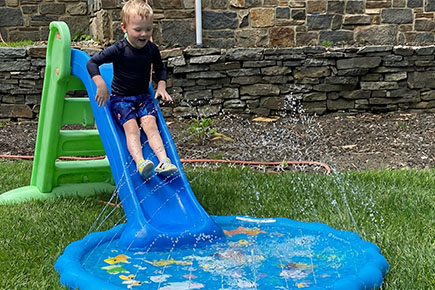
The global market for outdoor toys is still strong because people want safe and fun things to do in their backyards. For B2B procurement managers, getting a high-quality, certified stock of fun sprinklers for kids is not only something that needs to be done during the summer; it's a key way to keep sales steady and protect the brand.
Identifying High-Demand Fun Sprinkler Categories and Market Trends
Market trends show that people are shifting away from simple oscillating sprinklers and toward more advanced, multi-functional water play systems. Many modern entertaining sprinkler toys for kids also include educational or sensory features. Buyers should look at which types of products have the best chance of making money and the lowest return rates because they fail or break.
Think about how popular inflatable splash pads and interactive fountains have become. These things make the water experience safer and more controlled than regular lawn sprinklers. There has been constant growth in the demand for enormous, themed inflatable archways that provide both entertainment and photo possibilities. Recent market research shows that things that encourage cooperative play, like fun sprinklers made for more than one youngster, also sell well in stores. People like value, especially when one thing can entertain people of all ages.
Another dominant trend centers on ease of setup and storage. Fun sprinklers for kids that are lightweight, quick to inflate, and fold down compactly appeal strongly to urban and suburban homeowners alike. Furthermore, the aesthetic appeal matters deeply; brightly colored, animal-shaped, or character-licensed water toys often outperform generic designs. When planning inventory, ask whether the product offers perceived added value, like extreme durability or a unique play feature. These differentiated products typically command better margins.
Navigating Quality, Safety Standards, and Material Selection for Bulk Orders
For B2B buyers dealing in toys, quality is non-negotiable; safety is paramount. The liability associated with importing non-compliant water play equipment can be catastrophic. Therefore, selecting the right materials and ensuring stringent adherence to international safety standards must form the foundation of any bulk purchasing decision involving a fun sprinkler for kids.
In the United States, compliance with Consumer Product Safety Commission (CPSC) regulations, particularly those related to the Consumer Product Safety Improvement Act (CPSIA), is mandatory. This covers factors like lead content and phthalates in PVC materials. European markets require CE marking, signifying conformity with health, safety, and environmental protection standards. A reliable manufacturing partner provides comprehensive testing reports and proof of third-party certification before production begins.
Material selection dramatically impacts both product longevity and safety. Many inexpensive, fun sprinklers utilize low-grade PVC containing harmful chemicals. Top-tier manufacturers utilize phthalate-free, non-toxic PVC or durable ABS plastics for rigid components. These premium materials resist UV degradation better, preventing brittleness and cracking during peak summer use. The stability of the materials directly correlates to the lifespan of the product and, consequently, customer satisfaction.
The manufacturing process itself must be meticulously monitored. For inflatable items, the strength of the seams determines durability under water pressure and child interaction. Poorly welded seams lead to premature deflation and customer returns. Procurement teams should insist on factory inspections and demand clear metrics on defect rates. Investing slightly more upfront in superior manufacturing quality substantially reduces the long-term costs associated with managing product recalls or high rates of return.
Moreover, the design must minimize choking hazards for the youngest users. Even though a product might be rated for older children, small removable parts or inadequate valve caps pose risks. Suppliers must demonstrate expertise in designing products that meet the stringent requirements for items designated for 'Baby' and 'Toddler' use. This specialized knowledge is a mark of true manufacturing authority. Buyers should verify that the factory possesses the expertise to handle these highly sensitive age ranges.
Optimizing Your Supply Chain: Partnering with a Reliable Direct Factory Supplier
The choice of supplier dictates speed, quality, and cost control. Engaging a trading company adds layers of expense and complexity; direct factory partnerships offer unparalleled transparency and efficiency. This is particularly true in the high-volume, competitive electronics and toy sectors centered around major manufacturing hubs. Shenzhen, for example, is renowned globally. It is not only an important "engine" of China's exports but also has international influence in electronics, high-tech manufacturing and global supply chains.
When evaluating potential partners for sourcing a high-quality fun sprinkler for kids line, depth of manufacturing capability is key. Look for an in-house factory that manages R&D, tooling, and production under one roof. This integrated approach ensures consistent quality control and facilitates rapid product development or customization.
Kingwe-Star Opto-Electronics operates precisely within this strategic framework. We function as an In-House Factory Direct, One-Stop Multi-Category B2B Supplier. Our expertise extends across household electric appliances and sophisticated toy manufacturing, giving us a unique cross-category capability. This breadth means we apply rigorous electronics manufacturing standards to all our recreational products, elevating their overall dependability and structural integrity.
Our competitive advantages are engineered to support large-scale procurement operations. We maintain a mature R&D team that continuously refines designs for safety and play value. Our supply chain is stable and highly efficient, mitigating the delays common in outsourced manufacturing models. For buyers seeking unique market positioning, Kingwe-Star offers flexible customization services, including OEM support, allowing rapid adaptation to specific branding or regional requirements.
Trust is built on documentation. We provide full sets of industry certifications and ensure strict packaging standards maintain exceptional product value throughout global transit. Our commitment extends beyond the shipment dock; professional product retouching services assist with marketing collateral, and dedicated after-sales support ensures seamless, long-term collaboration. Choosing a partner with proven capacity for fast delivery and meticulous adherence to quality standards streamlines the entire procurement process, from concept to retail shelf.
The reliance on dependable global manufacturing expertise is vital for scaling businesses. We are dedicated to enabling long-term partnerships, providing the reliable products needed to foster sustained business growth for our partners worldwide. Our operational efficiency minimizes lead times, transforming a slow, risky procurement process into a predictable, profitable endeavor.
FAQ
Q1: What certifications should I prioritize when sourcing inflatable fun sprinkler for kids?
A: B2B buyers must prioritize products holding CPSC (US), ASTM (US), and CE (EU) certifications. Specifically for plastic toys, ensure testing confirms compliance regarding phthalate content and heavy metals. A reputable factory will readily supply comprehensive lab reports demonstrating adherence to these global safety standards, crucial for market entry and liability protection.
Q2: How does Kingwe-Star manage quality control for bulk orders?
A: As an In-House Factory Direct supplier, Kingwe-Star implements rigorous quality control at every stage. We utilize advanced tooling and testing equipment inherited from our high-tech opto-electronics background. This ensures consistency in material welding, water pressure resistance, and overall structural integrity. We offer pre-shipment inspections and detailed quality assurance reports, guaranteeing that the delivered product lot meets or exceeds the approved sample.
Q2: What is the typical lead time for customized OEM fun sprinkler designs?
A: The exact timeline varies based on complexity and volume. However, because Kingwe-Star possesses an integrated R&D team and in-house manufacturing, we significantly compress the development cycle compared to external design firms. We prioritize efficiency. Initial design and tooling validation typically takes less time, enabling faster prototyping and subsequent mass production run-ups. We provide specific timelines upon reviewing project scope.
Invest in Quality and Stability: Your Next Procurement Step
Choosing the right supplier is the difference between a successful season and burdensome inventory issues. Kingwe-Star offers the stability, quality assurance, and manufacturing expertise necessary for top-tier fun sprinkler for kids inventory.
We specialize in manufacturing durable, compliant items, including solutions perfectly sized for the youngest consumers. For instance, our expertise extends to products engineered for Baby and Toddler safety, often exemplified by items featuring an approximate Item Weight of 544 Grams, light enough for easy setup yet robust enough for active play. Our manufacturing excellence ensures that products designed for this sensitive Age Range (Description): baby, toddler meet the highest global standards for non-toxicity and physical safety.
If you are serious about optimizing your supply chain, eliminating middleman risk, and procuring exceptionally reliable water play products, secure a direct partnership today.
We are committed to helping our partners grow their business with dependable products and global manufacturing expertise. Interested parties seeking detailed product specifications, customization options, or a comprehensive quote are encouraged to reach out immediately. Please do not hesitate to contact us. Simply send an enquiry to: luna@bllgift.com.
References
1. Consumer Product Safety Commission (CPSC). (2023). Safety Standards for Toys and Child Products. Retrieved from CPSC Official Site.
2. ASTM International. (2024). F963 Standard Consumer Safety Specification for Toy Safety.
3. European Commission. (2023). Toy Safety Directive (2009/48/EC).
4. Statista Market Insights. (2023). Global Toy and Game Market Analysis and Forecasts. (Referenced for market trend data).
5. Shenzhen Municipal Government. (2023). Annual Report on Economic Development and Export Performance. (Referenced for background manufacturing hub information).