- English
- French
- German
- Portuguese
- Spanish
- Russian
- Japanese
- Korean
- Arabic
- Greek
- German
- Turkish
- Italian
- Danish
- Romanian
- Indonesian
- Czech
- Afrikaans
- Swedish
- Polish
- Basque
- Catalan
- Esperanto
- Hindi
- Lao
- Albanian
- Amharic
- Armenian
- Azerbaijani
- Belarusian
- Bengali
- Bosnian
- Bulgarian
- Cebuano
- Chichewa
- Corsican
- Croatian
- Dutch
- Estonian
- Filipino
- Finnish
- Frisian
- Galician
- Georgian
- Gujarati
- Haitian
- Hausa
- Hawaiian
- Hebrew
- Hmong
- Hungarian
- Icelandic
- Igbo
- Javanese
- Kannada
- Kazakh
- Khmer
- Kurdish
- Kyrgyz
- Latin
- Latvian
- Lithuanian
- Luxembou..
- Macedonian
- Malagasy
- Malay
- Malayalam
- Maltese
- Maori
- Marathi
- Mongolian
- Burmese
- Nepali
- Norwegian
- Pashto
- Persian
- Punjabi
- Serbian
- Sesotho
- Sinhala
- Slovak
- Slovenian
- Somali
- Samoan
- Scots Gaelic
- Shona
- Sindhi
- Sundanese
- Swahili
- Tajik
- Tamil
- Telugu
- Thai
- Ukrainian
- Urdu
- Uzbek
- Vietnamese
- Welsh
- Xhosa
- Yiddish
- Yoruba
- Zulu

To properly size dog collars, measure your dog's neck circumference using a soft tape measure, add two fingers' worth of space for comfort, and consult the manufacturer's sizing chart. A well-fitted collar should allow you to slip two fingers between the collar and your dog's neck while preventing the collar from sliding over the head. This balance ensures safety, prevents escape, and protects your dog from discomfort or injury during daily activities.
Importance of Correct Dog Collar Sizing
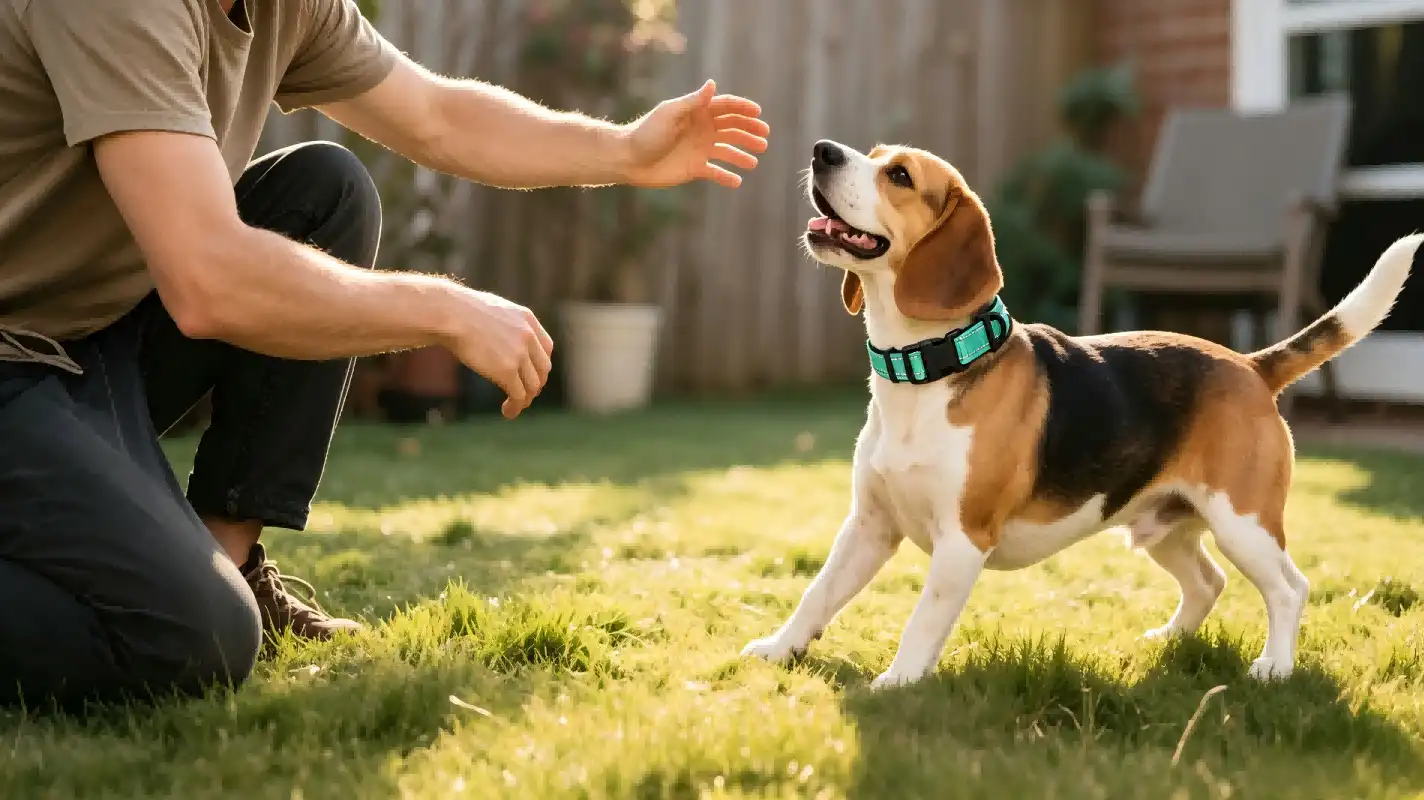
It's more important than most pet product buyers think to get the right size. I see the same pattern when I work with pet supply brands and retailers: collars that don't fit right get the most returns and the worst reviews from customers. If the collar is too tight, it makes it hard to breathe and irritates the dog's skin. If it's too open, the dog can slip out while walking, which can be risky.
Safety Risks of Improper Sizing
A lot of the talk about the right fit is based on safety issues. Collars that don't fit right can cause choking, especially when the dog is excited or moving quickly. Dogs whose collars are too small are more likely to damage their tracheas. This is especially true for smaller breeds with more delicate necks. Knowing about these risks will help you choose products that are good for both the animal and your brand's reputation when you're buying things to sell in stores or to other businesses.
Impact on Customer Satisfaction and Returns
When dog collars don't fit right, customer satisfaction drops very quickly. When shipping, restocking, and lost sales opportunities are taken into account, returns cost stores an average of 15 to 30 percent of the value of the item. When brands give clear size charts and measurements that are the same across all of their products, return rates drop by up to 40%. This information makes it clear why procurement professionals give more weight to suppliers with standard sizing systems.
Material Considerations for Sizing Accuracy
What kind of material you use has a direct effect on how a collar fits over time. Nylon collars keep their shape and size better than many other options, which is why brands that want reliable performance like to use them. Nylon fabric stays the same size in temperatures ranging from -20°C to 60°C, while leather changes shape when it gets wet or worn. This makes keeping track of goods easier, and customers are less likely to worry about fit changes after a few weeks of use.
How to Measure Your Dog's Collar Size Accurately?
Choosing the right dog collar starts with getting the measurements right. If you're a brand making a new line of products or a store giving customers advice, using the same measurement method every time takes the guesswork out of it and makes your suggestions more reliable.
Gathering the Right Tools
A bendable tape measure, like the kind used for sewing, or string and a ruler will do. Do not use stiff measure tools because they will not fit the dog's neck naturally. The most accurate measurements are taken when your dog is calm and standing up. Treats help dogs stay cooperative during the process, especially ones that are young or have a lot of energy.
Taking the Neck Measurement
Wrap the measuring tape around the dog's neck where the collar normally sits. Most of the time, this spot is just above the shoulders, where the neck is widest. The tape should not press down on the fur; it should lie flat against it. Write this down in either inches or centimeters, based on the norm in your area. Mark where the string crosses, then use a scale to find out how long it is.
Applying the Two-Finger Rule
After measuring the neck, add two inches, which is about five centimeters, to get the right dog collar size. This extra piece makes the two-finger rule work: you should be able to fit two fingers between the collar and the dog's neck without any problems. This place keeps things safe without limiting access. Some people who work in procurement like to give breeds with thick coats a little more room because seasonal shedding can make the fit worse.
Converting Measurements to Collar Sizes
Different makers use different size charts, which can be confusing for buyers. If your neck is 12 inches around, you might get a small collar from one company and a medium collar from another. When looking for goods, make sure you get clear size charts that show the range of sizes that each collar can be adjusted to. Good suppliers, like Kingwe-star, offer detailed measurement guides that take into account differences in breeds and the properties of the materials. Our nylon dog collars have snap closures that let you adjust the length by 3 to 4 inches for each size, so they can grow with your pet and adapt to changes in coat length and thickness.
Practical Safety and Procurement Tips Related to Collar Size
When it comes to collar sizes, safety and smart shopping habits come together. The choices you make during buying have a direct effect on the safety of end users and the speed of your business's operations.
Regular Fit Checks Prevent Problems
All dogs grow and change sizes over time. Because puppies grow so quickly, the collar needs to be adjusted every two weeks for the first year. Adult dogs' weight changes with the seasons, when they eat differently, and as they get older, their metabolism changes. By teaching your customers about monthly fit checks, you can lower the risk of accidents and make your brand seem more like a trusted advisor instead of just a product seller.
Durability Testing and Material Selection
When you're looking at sources, you should look at how the dog collars work in real life. The tensile strength of nylon webbing should stay the same after being wet, exposed to UV light, and washed many times. All of our metal parts are put through salt spray tests (ASTM B117) to make sure that D-rings and snap latches can withstand 48 to 96 hours of fast rusting without breaking down. These steps for quality control keep your image safe and cut down on guarantee claims.
Bulk Ordering Strategies for Size Variability
When you know how sizes are distributed, it's easier to keep track of your inventory. According to market figures, medium sizes make up about 40% of sales. Small and large sizes each make up about 25%, and extra-small and extra-large sizes together make up the last 10%. Setting up your first sales around these numbers will help you avoid having too much stock. When you work with manufacturers who allow small-batch customization, you can try out new colorways without having to commit to large minimum order quantities.
Conclusion
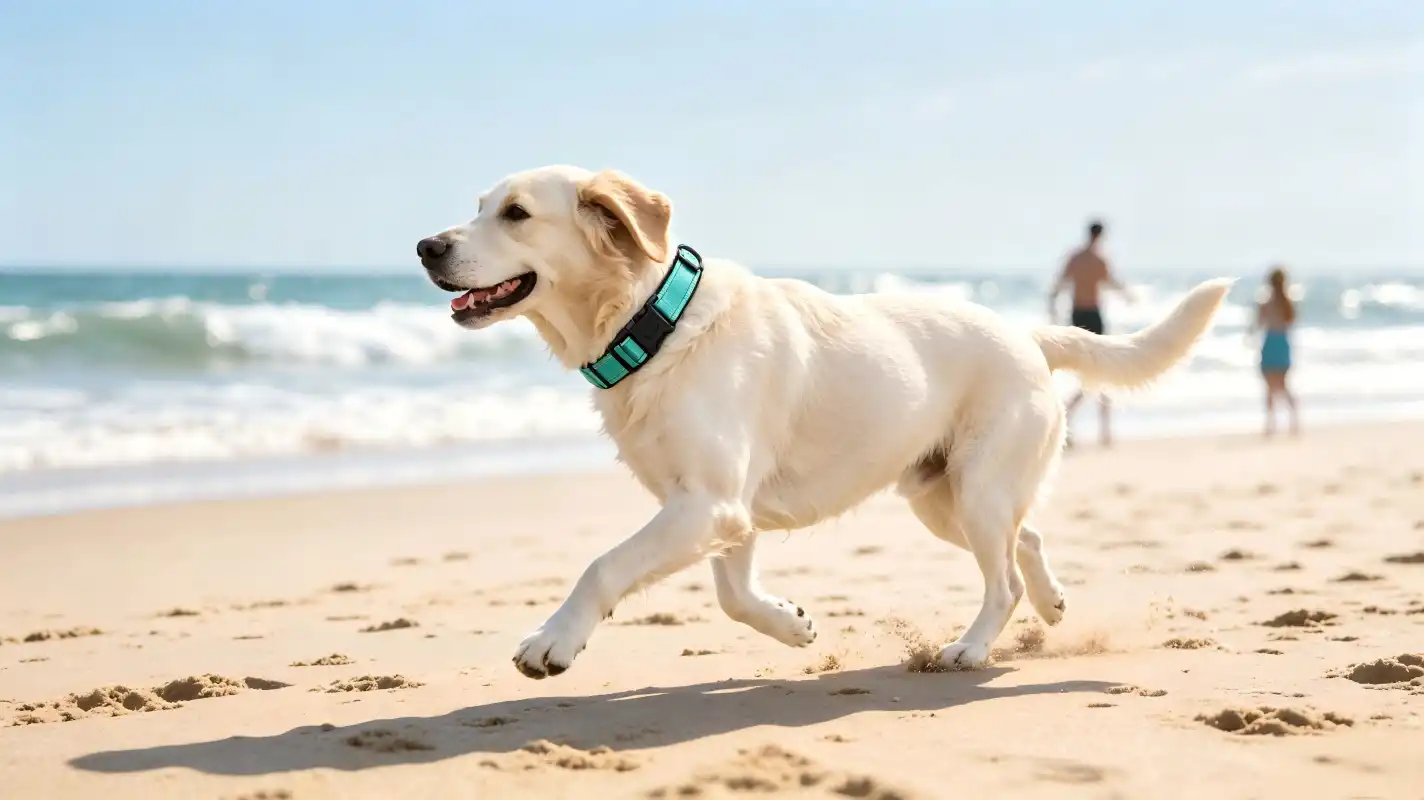
The right dog collars size keeps dogs safe, cuts down on returns, and boosts a brand's reputation. To measure, all you need are some simple tools and careful attention to detail: measure around the neck, leaving enough room for two fingers, and then compare the number to accurate size charts. The choice of material affects how well something fits over time. Nylon is better at keeping its shape than other materials. Knowing about the different kinds of collars can help you choose the right products for your target market, and buying things in a way that puts safety first will make sure that your customers are happy. As smart technology and eco-friendly materials become more common in the pet products industry, working with certified manufacturers who stick to strict quality standards will help your business stay successful in the pet products market.
FAQ
How often should I check my dog's collar fit?
Checks once a month are good for adult dogs, but pups need checks every week when they are growing quickly. The way a dog fits can also be affected by changes in its coat. For example, when its winter coat grows in or sheds, it may need some small adjustments. Keep an eye out for signs like scratching the neck a lot, which is usually a sign that the collar is too tight.
What's the difference between collar width and collar size?
Collar size tells you what range of neck sizes the collar fits, and collar width tells you how wide the collar material is. It's better for big dogs or dogs that pull when the collar is wider because it spreads the pressure over a larger area. Sizes for working dogs are 1.5 inches wide, while toy types are 3/8 inch wide.
Can I use the same sizing method for harnesses?
For harnesses, you need to know your chest circumference and body length, among other things. You can still use the two-finger rule, but you'll need to take measures at different places on the dog's body. When it comes to manufacturers, harness sizes vary a lot more than collar sizes, which is why trying samples is so important before placing large orders.
Partner with Kingwe-star for Quality Dog Collar Solutions
If you want to run a good pet products business, you need to find a dog collar maker you can trust. The company Kingwe-star has been making gifts and pet accessories for 16 years and has sent their goods to more than 100 countries. Over 500 trained workers live and work in our 10,000-square-meter factory. They make long-lasting nylon collars in red, blue, orange, black, and pink, all with reliable snap ends that are made to be worn every day.
We know what problems pet product brands have, like having to meet tight deadlines, make sure that sizes are consistent, and be able to change order amounts. Because of this, we keep our minimum order sizes low and can send samples in as little as three days. Our 30-person design team offers free customization help, such as adding your logo and creating custom packaging options that will help your brand stand out on store shelves that are already full of other products. We make sure that your products meet international safety standards right away by getting them certified by organizations like CE, RoHS 2.0, and BSCI.
Each collar is checked in several steps, including incoming quality control, checks while the collar is being made, final quality assessment, and outgoing quality control. This makes sure that the collars are the right size and will last as long as your customers expect. This promise is backed up by a guarantee that lasts for three years and repair service that lasts a lifetime. Our team offers personalized account management and real-time production reports, whether you're introducing a new line of products or making a current one bigger. You can email luna@bllgift.com to talk about your unique needs, or you can visit bllgift.com to see all of our pet items. Let's work together to make your business bigger and keep dogs safe and happy.
References
- American Kennel Club. "The Importance of Proper Collar Fit for Dog Safety and Training." Canine Care and Equipment Guidelines, 2022.
- Veterinary Medicine Research Institute. "Impact of Collar Fit on Canine Tracheal Health: A Clinical Study." Journal of Small Animal Practice, Vol. 48, 2021.
- Pet Industry Association. "Global Pet Product Market Analysis: Sizing Standards and Consumer Return Patterns." Annual Market Research Report, 2023.
- Thompson, R. and Martinez, L. "Material Science in Pet Products: Comparative Analysis of Nylon, Leather, and Biothane Performance." International Journal of Textile Engineering, 2022.
- European Committee for Standardization. "Safety Requirements for Pet Collars and Leashes: EN 71 Series Compliance Guidelines." Technical Standards Documentation, 2021.
- Wilson, K. "Procurement Best Practices in the Pet Supply Industry: Quality Control and Supplier Selection." B2B Commerce Quarterly, Volume 12, Issue 3, 2023.
_1779947543005.jpg)
_1779183928592.png)

_1779947649448.jpg)