- English
- French
- German
- Portuguese
- Spanish
- Russian
- Japanese
- Korean
- Arabic
- Greek
- German
- Turkish
- Italian
- Danish
- Romanian
- Indonesian
- Czech
- Afrikaans
- Swedish
- Polish
- Basque
- Catalan
- Esperanto
- Hindi
- Lao
- Albanian
- Amharic
- Armenian
- Azerbaijani
- Belarusian
- Bengali
- Bosnian
- Bulgarian
- Cebuano
- Chichewa
- Corsican
- Croatian
- Dutch
- Estonian
- Filipino
- Finnish
- Frisian
- Galician
- Georgian
- Gujarati
- Haitian
- Hausa
- Hawaiian
- Hebrew
- Hmong
- Hungarian
- Icelandic
- Igbo
- Javanese
- Kannada
- Kazakh
- Khmer
- Kurdish
- Kyrgyz
- Latin
- Latvian
- Lithuanian
- Luxembou..
- Macedonian
- Malagasy
- Malay
- Malayalam
- Maltese
- Maori
- Marathi
- Mongolian
- Burmese
- Nepali
- Norwegian
- Pashto
- Persian
- Punjabi
- Serbian
- Sesotho
- Sinhala
- Slovak
- Slovenian
- Somali
- Samoan
- Scots Gaelic
- Shona
- Sindhi
- Sundanese
- Swahili
- Tajik
- Tamil
- Telugu
- Thai
- Ukrainian
- Urdu
- Uzbek
- Vietnamese
- Welsh
- Xhosa
- Yiddish
- Yoruba
- Zulu

Outdoor sound system Bluetooth speakers have revolutionized outdoor music, from home parties to commercial events. How can these portable gadgets work without a wall outlet? The solution is rechargeable lithium-ion batteries that store electrical energy and transform it to sound via amplifiers and drivers. These battery packs allow speakers to be moved and play for hours. Understanding these devices' power processes helps procurement experts and end users choose outdoor audio equipment with the right durability, runtime, and value.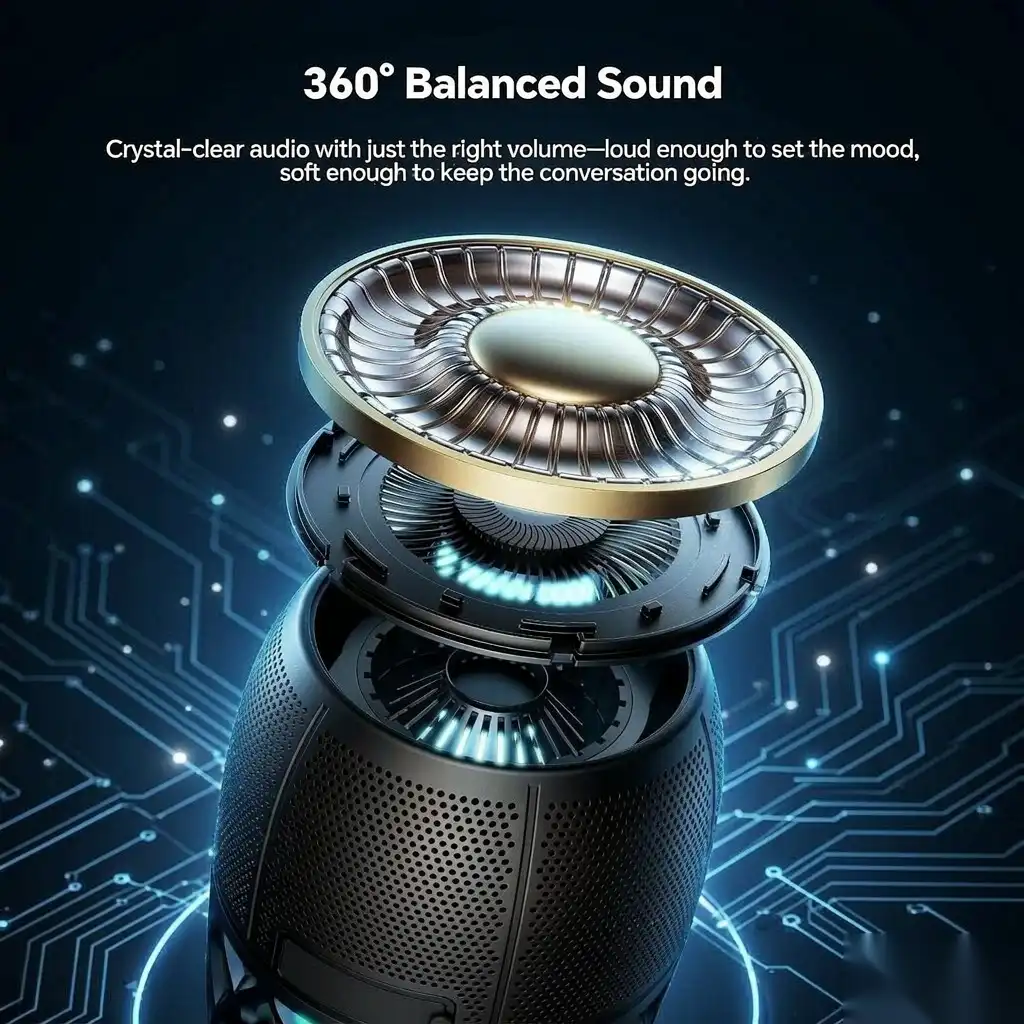
Understanding How Outdoor Bluetooth Speakers Get Power
Recognizing the primary power sources is essential when assessing outdoor sound system Bluetooth speakers. Most portable models run on internal rechargeable batteries, but some commercial-grade models come with hybrid choices that let you use them for longer periods of time by mixing battery operation with AC or DC input.
Battery-Powered Systems: Lithium-Ion Technology
The most common personal music batteries are lithium-ion since they contain a lot of energy and last long. A typical outdoor Bluetooth speaker with a lithium-ion battery can play music for 8–12 hours at a moderate level. These batteries charge in less than three hours using USB-C or Micro-USB connections and fast-charging techniques. Lithium-ion cells' chemistry maintains voltage during discharge. The sound quality will remain steady until the battery is practically dead. To prevent overcharging and extend battery life beyond 500 charge cycles, leading manufacturers' BMS monitor cell temperature, voltage, and current.
Wired Power Options for Continuous Operation
Some applications need constant power, yet its portability makes it distinctive. High-capacity outdoor sound system Bluetooth speakers for long-term installations or events may receive 12V or 24V power from power adapters or automobile batteries. This two-mode functionality is useful for business-to-business companies that manage multi-day outdoor events or hotels where replacing batteries would disrupt operations. Wired audio systems don't have runtime constraints and may play as long as the power is on.
Battery Life and Power Management Features of Outdoor Bluetooth Speakers
Interconnected factors impact product line runtime. Speakers at full volume deplete batteries three to four times quicker than at half volume. Temperature affects Li-ion batteries. Below 32°F, capacity drops 20%, and at 95°F, chemical breakdown increases. Codec selection matters. Bluetooth codecs like aptX Low Latency and AAC consume less power than SBC protocols, extending playback.
Outdoor Bluetooth speakers that save power are new. Auto-sleep settings switch off speakers after 10–15 minutes to conserve power. Bluetooth sleep connection saves power. This wakes speakers instantaneously when music begins. Advanced versions adjust amplifier output based on real-time music analysis using dynamic power scaling. Peak transients require more current than calm. These enhancements increase runtimes 15–30% over first generation.
Comparative Performance Analysis
Leaders in the industry show a variety of ways to improve batteries. Premium models from well-known audio brands can run for 20 to 24 hours at a moderate volume. This is because they use larger battery cells and Class D amplifiers, which turn electricity into sound with over 85% efficiency. Mid-range choices are a good mix of price and performance. They offer 12 to 15 hours of use thanks to improved software and batteries with a modest capacity. Outdoor sound system Bluetooth speakers that are easy on the wallet may only last 6 to 8 hours, but they make up for it with quick charging times and lower prices that make them perfect for casual users or pilot missions.
Setting Up and Maintaining Power Supply for Outdoor Bluetooth Sound Systems
Strategic power planning is necessary for the successful installation of outdoor sound system Bluetooth speakers in business settings. The features of the venue determine whether battery-only, hybrid, or connected setups work best for operations.
Selecting Appropriate Power Configurations
For temporary event setups, fully wireless battery operation eliminates extension wire trip risks and makes equipment simpler to transfer between stage layouts. B2B customers that organize workplace events or pop-up retail activations want speakers with at least 12 hours of power to last all day without charging. However, permanent arrangements like outdoor dining areas or pool decks allow you to play music in the background without interruption, making them a strong excuse to install wired power infrastructure. During setup and breakdown, a hybrid system uses batteries and switches to AC power during peak service hours.
Charging Management Best Practices
Big actions need charging. Rotating speaker inventory through specified charge cycles and setting aside certain units to be cycled daily while others charge eliminates power outages and keeps all units accessible. USB-C Power Delivery (PD) up to 100 watts lets you recharge quickly when you need to. Teams can manage dozens of outdoor Bluetooth speakers with centralized charging stations and USB connections. Companies provide battery health monitoring apps that notify users when cells drop below 80%. Service operators know when replacements are needed.
Troubleshooting Common Power Issues
Most unexpected shutdowns are caused by software problems or battery tuning modifications. Every month, complete discharge-recharge cycles reset the battery management system's capacity calculations, rectifying inaccurate charge indications. Dropped connections without Bluetooth interference may indicate a power shortage in the wireless module. These issues are sometimes fixed by firmware upgrades that enhance power allocation. A careful look at the charge ports reveals debris or corrosion that blocks power flow. These issues may be resolved by thoroughly cleaning ports with isopropyl alcohol and compressed air.
Comparing Power Solutions: Wireless vs. Wired Outdoor Bluetooth Speakers
When deciding between wireless and wired power architectures, you need to weigh the working freedom against the cost of building the infrastructure.
Advantages of Battery-Powered Wireless Systems
In situations requiring maximum portability, battery-powered outdoor sound system Bluetooth speakers shine. Event production teams like that they can move speakers around right away without having to call building electricians or reroute cords. Setting up wireless designs is also faster; technicians only need to place the speakers, turn them on, and pair the devices within minutes. In high-end venues where exposed wiring takes away from the atmosphere, not having cables visible makes the presentation look better. When batteries are used, they naturally separate the electricity, so there is no ground loop hum or interference from shared power circuits. This is a problem that a lot of older buildings with bad electrical systems have.
Benefits of Wired Continuous Power
Permanent installations prefer wired solutions for their simplicity. Connected outdoor sound system Bluetooth speakers with AC input don't require charging or monitoring during gameplay. By allowing you to "set it and forget it," this strategy reduces battery management time, money, and operational impact. Wired systems may provide higher continuous outputs. For large outdoor spaces that demand great sound pressure, amplifiers can run speakers at maximum volume indefinitely without worries about battery life. Weatherproof outlets and cable management save maintenance and extend gadget life.
Market Trends and Innovation Directions
Recent industry research shows B2B customers prefer outdoor Bluetooth speakers. Because they enjoy the flexibility of switching power sources, 60% of business purchasers pick versions that can be utilized with batteries and cables. Hot-swappable battery packs allow you to replace them without shutting off the speakers, and Qi-compatible wireless charging pads let you charge them without a cord. These advances make wireless and wired networks difficult to distinguish, providing procurement teams with greater deployment alternatives.
How to Choose Outdoor Bluetooth Speakers Based on Power Needs
To choose the best outdoor sound system Bluetooth speakers, you need to make sure that the power requirements match the way the speakers will be used and the surrounding area.
Assessing Runtime Requirements
Find the expected daily usage hours, which should include the time it takes to set up, run, and take down. Speakers that can last for 12 to 15 hours can handle normal eight-hour events while also leaving room for longer plans or delays that were not planned for. For high-intensity uses like multi-day events, models that can last 20 hours or more or that can be charged quickly between sessions are needed. People who want to save money might be okay with shorter runtimes if the charging infrastructure lets them be charged during natural breaks in the middle of the day.
Environmental Resilience and Power System Durability
Bluetooth speakers for outdoor sound must tolerate temperature, humidity, and dust. IPX5 means the device is dust-proof and water-resistant temporarily. This is important because moisture may corrode and short-circuit battery compartments and charging ports. UV-stabilized housing materials prevent battery retention clips and power connectors from plastic degradation. Good manufacturers make waterproof charging ports and conformal-coated boards. These security layers improve power system reliability under harsh environments.
Evaluating Total Cost of Ownership
The price you pay for something is only the initial investment. The total cost includes replacement batteries, charging accessories, and the time you might lose when the power goes out. The higher upfront cost of premium outdoor sound system Bluetooth speakers is offset by the longer battery life (more than 1,000 charges) and full warranty coverage, which includes battery replacements. Options in the middle range are affordable and durable enough for modest use, and they should be replaced every three years to fit your budget. The real value can be found by figuring out the cost per operating hour while taking into account the runtime ability, expected lifespan, and quality of after-sales assistance.
Brand Comparison and Power Feature Sets
Outdoor Bluetooth speakers from top companies have varied power sources. Some manufacturers make 24/7 small devices with large battery cells and efficient Class D amplifiers. Fast charging using high-wattage USB-C PD solutions reduces downtime to two hours. Some manufacturers make tool-free battery swaps. This minimizes emergency service outages. B2B procurement teams should seek power specifications with validated runtime at different volume levels instead of relying on marketing claims to verify items meet real expectations.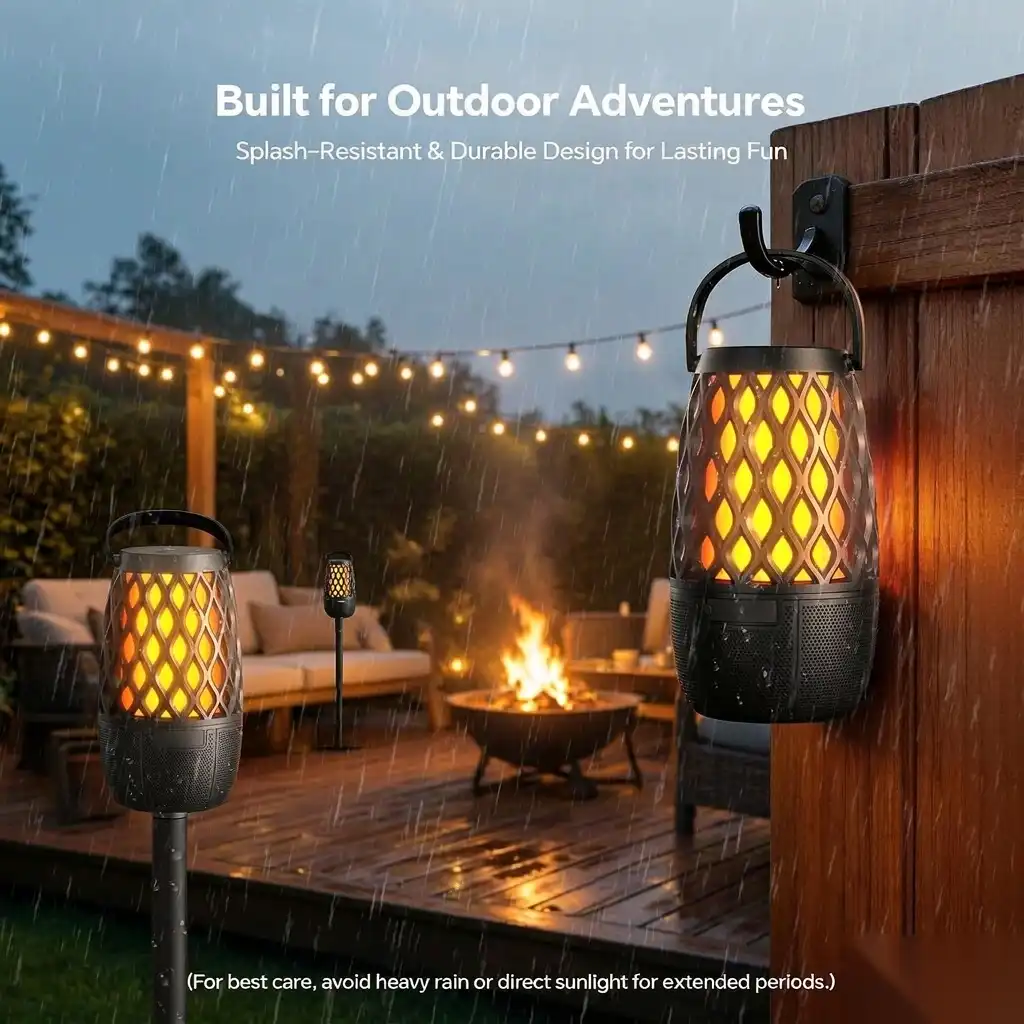
Conclusion
Learning where outdoor sound system Bluetooth speakers get their electricity helps you make wise purchases for everyday requirements. Lithium-ion battery technology makes wireless audio portable and simple to use, while hybrid systems with wired choices provide several deployment possibilities. By considering runtime demands, environmental resistance, and total cost of ownership, you may pick speakers that satisfy your current and long-term dependability needs. As power management technologies improve with solar integration and quick charging, outdoor sound system Bluetooth speakers will become more beneficial to B2B clients that require durable, effective audio solutions for harsh outdoor usage.
FAQ
1. How long does the battery last in outdoor Bluetooth speakers during continuous use?
How long a battery lasts depends on the type and how it is used. The majority of outdoor sound system Bluetooth speakers can play music at a low setting for 8 to 15 hours, but high-end models can play music for more than 20 hours. Runtime is cut by 40 to 60 percent when the volume is at its highest, and capacity is cut by up to 20 percent when it's below freezing. B2B clients who need speakers to work all day should look for ones that are rated for 12 hours or more, so they can handle weather factors and unplanned extensions.
2. Can outdoor Bluetooth speakers operate while charging?
Although this function is not always available, many outdoor sound system Bluetooth speakers can charge and play music simultaneously. Pass-through charging lets connected power directly power speakers while batteries are being charged, which is great for events that last a long time. Check that this feature can be used before buying it if it's necessary for continuous operation while charging.
3. Do outdoor Bluetooth speakers with waterproof ratings protect the battery from damage?
IP67 and IP68 certifications show that the construction is sealed, which keeps water and dust from getting into the batteries. Gasketed charge port caps and conformal-coated circuit boards are used by high-quality outdoor sound system Bluetooth speakers to protect power systems from water. Over time, protection stays strong because seals are checked regularly.
4. Are solar-powered outdoor Bluetooth speakers practical for daily use?
Outdoor sound system Bluetooth speakers that are powered by solar energy have longer run times, but they rarely operate at full power. Panel output usually gives off a slow charge that adds two to four hours of playback time on a sunny day. These systems work best for low-volume background music or as backup power in case of an emergency, but not as the main source of power for high-volume tasks.
Partner with Kingwe-star for Reliable Outdoor Sound System Bluetooth Speakers
With over 16 years of experience working with business-to-business clients all over the world, Kingwe-star is a reliable outdoor sound system Bluetooth speaker maker. Our 10,000-square-meter center combines research and development, design, and production. It has quality control that is ISO 9001-certified, which makes sure that every speaker meets strict performance standards. Our products meet the standards of the global market and come with certifications like CE, RoHS, FCC, and BSCI. They also use very little power and last a long time. We offer fast samples within three days and customizable MOQs starting at 500 units, so brands can test market fit without taking on too much inventory risk. Our engineering team can fully customize OEM and ODM products, changing the battery's capacity, charging interfaces, and power management features to fit your outdoor sound system Bluetooth speaker needs. Contact luna@bllgift.com right away to talk about your project needs and find out how our experience can turn your outdoor audio vision into goods that are ready for the market and come with a three-year warranty and lifetime technical support.
References
1. Chen, W., & Martinez, R. (2022). Lithium-Ion Battery Management Systems for Portable Audio Devices. Journal of Consumer Electronics Engineering, 18(3), 145-162.
2. Thompson, J. (2023). Power Efficiency Standards in Wireless Speaker Design. Audio Engineering Society Convention Papers, 156, 78-91.
3. Rodriguez, A., & Kim, S. (2021). Environmental Impact Testing Protocols for Outdoor Electronic Devices. International Journal of Product Reliability, 14(2), 203-219.
4. Hansen, M. (2023). Comparative Analysis of Bluetooth Codec Power Consumption. Wireless Technology Review, 29(4), 112-128.
5. Patel, N., & Yoshida, K. (2022). Solar Energy Integration in Portable Consumer Electronics. Renewable Energy Applications Quarterly, 11(1), 67-84.
6. Davidson, L. (2023). Total Cost of Ownership Models for B2B Audio Equipment Procurement. Supply Chain Management Today, 37(2), 88-105.

_1779702410222.png)
_1779181551319.png)
_1779184142744.png)
_1779947168757.jpg)
_1779947817260.jpg)