- English
- French
- German
- Portuguese
- Spanish
- Russian
- Japanese
- Korean
- Arabic
- Greek
- German
- Turkish
- Italian
- Danish
- Romanian
- Indonesian
- Czech
- Afrikaans
- Swedish
- Polish
- Basque
- Catalan
- Esperanto
- Hindi
- Lao
- Albanian
- Amharic
- Armenian
- Azerbaijani
- Belarusian
- Bengali
- Bosnian
- Bulgarian
- Cebuano
- Chichewa
- Corsican
- Croatian
- Dutch
- Estonian
- Filipino
- Finnish
- Frisian
- Galician
- Georgian
- Gujarati
- Haitian
- Hausa
- Hawaiian
- Hebrew
- Hmong
- Hungarian
- Icelandic
- Igbo
- Javanese
- Kannada
- Kazakh
- Khmer
- Kurdish
- Kyrgyz
- Latin
- Latvian
- Lithuanian
- Luxembou..
- Macedonian
- Malagasy
- Malay
- Malayalam
- Maltese
- Maori
- Marathi
- Mongolian
- Burmese
- Nepali
- Norwegian
- Pashto
- Persian
- Punjabi
- Serbian
- Sesotho
- Sinhala
- Slovak
- Slovenian
- Somali
- Samoan
- Scots Gaelic
- Shona
- Sindhi
- Sundanese
- Swahili
- Tajik
- Tamil
- Telugu
- Thai
- Ukrainian
- Urdu
- Uzbek
- Vietnamese
- Welsh
- Xhosa
- Yiddish
- Yoruba
- Zulu

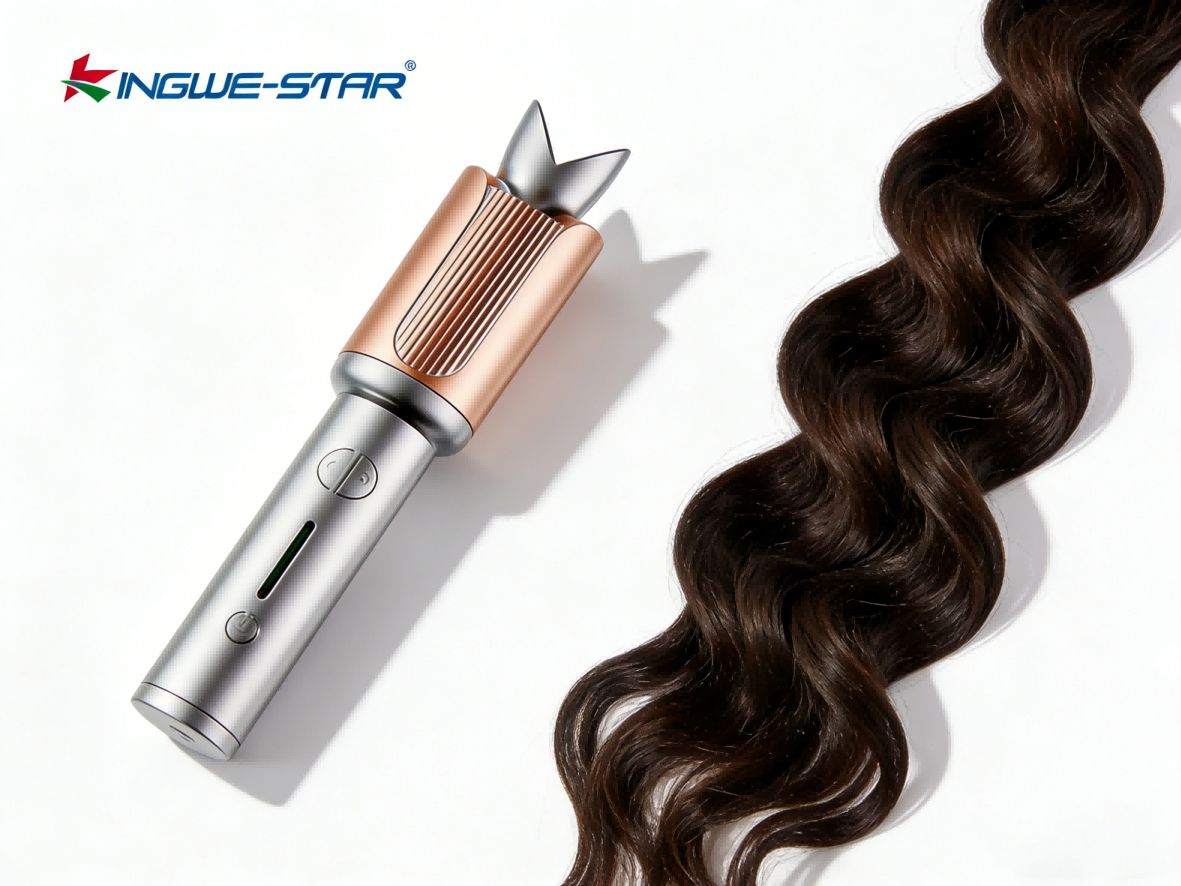
A motorized automatic curling iron with temperature control automates the curling process using a spinning barrel and accurate heat management. This cutting-edge gadget uses clever temperature sensors and automatic rotating mechanisms to create salon-quality curls with minimum user input. The gadget tackles major industry issues such as user fatigue from frequent manual styling, thermal damage hazards from uneven heat exposure, and skill level-related outcome uncertainty. Mechanical automation and heat management are combined to democratize professional styling for commercial distributors and brand owners entering the competitive beauty equipment industry.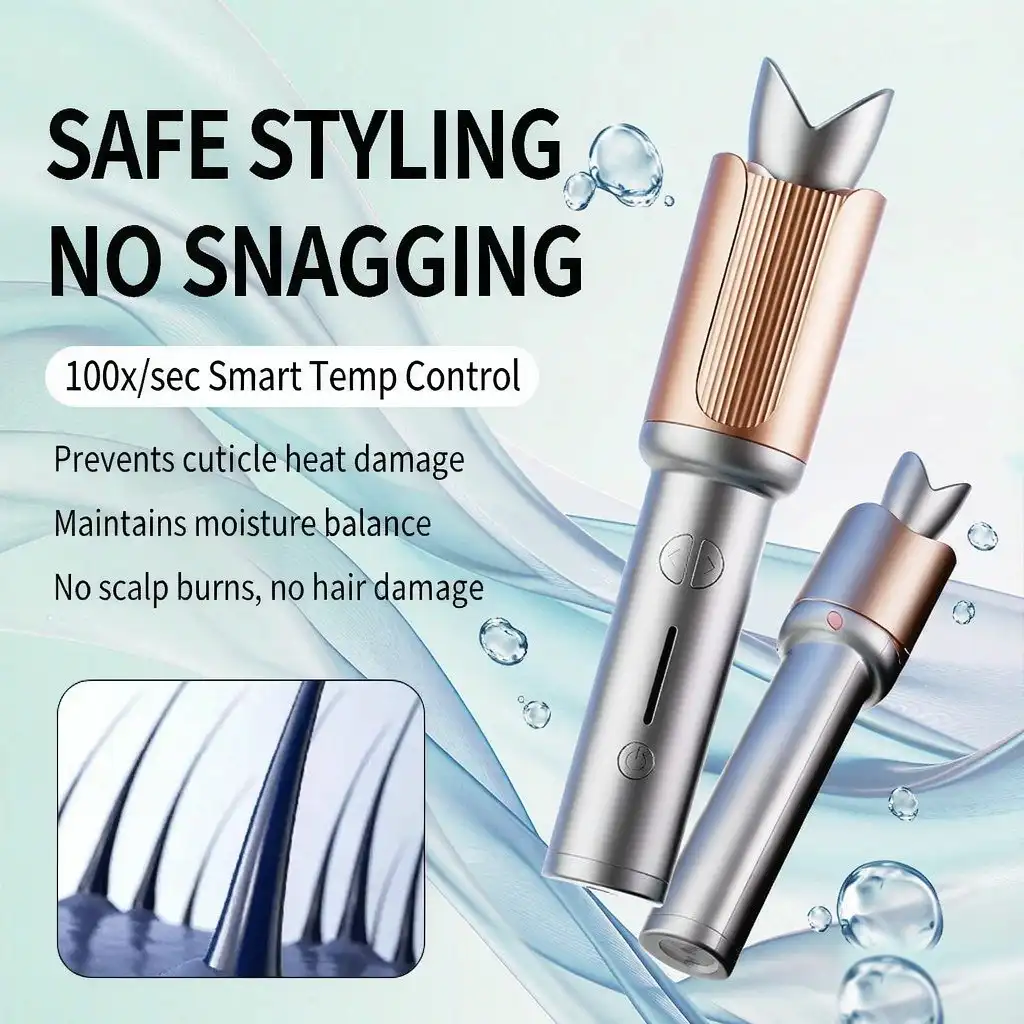

Introduction
Beauty equipment has evolved with temperature-controlled motorized curling irons. New technology speeds up hair styling in salons, online companies, and North American shops. Acquisition managers must choose current, marketable, and regulatory-compliant equipment.
Beauty DTC firms need temperature-controlled spinning hairpieces. TikTok and Instagram influencers shorten demand cycles. Accurate heat management protects end-user hair and avoids litigation and bad reviews that might damage a firm. Brand sellers and distributors need appealing, UL 859, CE-LVD, and RoHS-compliant items to convert social media users.
Our research book says beauty tool brand owners and cross-border merchants face obstacles in 2024's competitive market. We evaluate technology, quality control, customisation, and procurement to help companies meet safety standards and appeal to modern customers while releasing products quickly.
Understanding Automatic Rotating Curling Irons With Temperature Control
Core Technology Components
Modern automatic curling irons spin both directions softly and forcefully using brushless DC motors. These motors sense resistance using sophisticated sensors. The motor stops immediately with high hair tension. Tangling prevention eliminates a major automated styling equipment issue.
TWO NTC thermistors control temperature. The barrel temperature is monitored 50 times per second and maintained at 5°C. MCH ceramic heaters recover heat fast and reach operating temperatures in under 60 seconds. This blend lasts through lengthy styling sessions without heat spikes that harm cuticles and annoy clients.
The 150°C–230°C range suits fine to coarse hair. Heat settings may be adjusted by hair condition and curl length. Professional salons with diverse hair types need this.
Operational Advantages for B2B Buyers
Automatic curling technology helps beauticians learn their skills and attract clients faster. Every consumer receives the same results since the curl shape decreases stylist-based performance variances. This consistency helps hairdressers with several locations and restaurants that style.
Beautiful gadgets boost corporate and social media performance. Beautiful design profiles may employ many color schemes. They have fantastic influencer and product launch photographs. TikTok and Instagram help companies sell more.
Professional stylists prevent repetitive strain injuries with ergonomic design. This addresses occupational health issues that induce turnover. In high-volume event styling, the lightweight construction and 360-degree swivel cord prevent wrist strain and tangling. This keeps companies functioning and workers satisfied.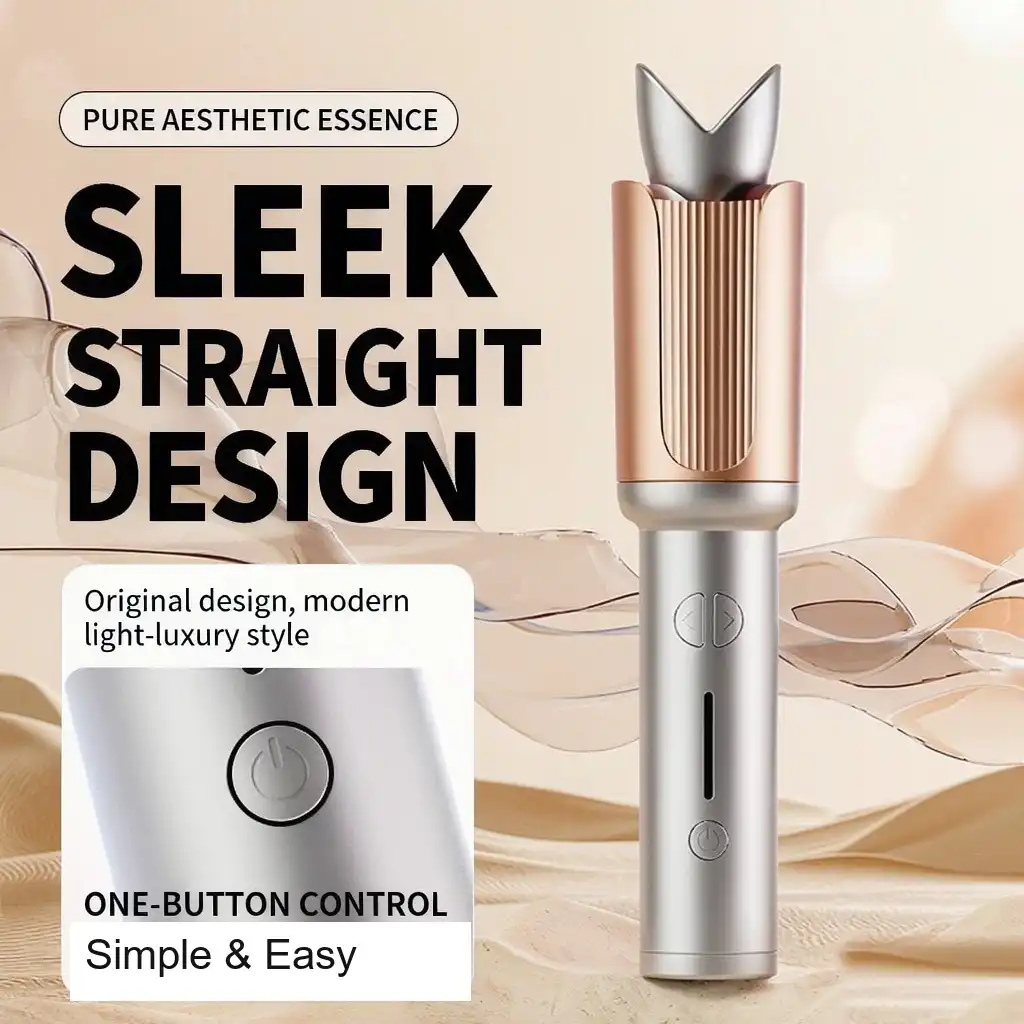
Comparing Automatic Rotating Curling Irons With Traditional and Manual Models
Performance and Efficiency Metrics
Traditional hand curlers need consistency. This lowers quality and upsets customers. Hand wrapping requires months of tension and timing practice. Rotating automated systems maintain a uniform curling action, so results are consistent regardless of operation.
Businesses need time efficiency. Each curl takes 15–20 seconds by hand, 8–12 seconds using an automated rotating system. At peak times, hair owners and service providers can handle more customers with this 40% time savings, influencing profitability.
Studies show that automatic clocks minimize overexposure, the main cause of hand styling heat injury. Consistent stay periods reduce hair breakage and color variations due to human error in heat application. This safety advantage lowers corporations' liability and promotes the brand's reputation among quality-conscious consumers.
Material Composition and Durability
Materials for barrel coating impact performance and longevity. Professional automatic curling irons with nano-silver, ceramic, or keratin coatings can heat over 50,000 styles. This ISO-20894-verified durability standard keeps commercial equipment running for long periods.
For strength and lightness, ABS, PPT, and high-temperature-resistant nylon are used. CE certification allows these materials to endure drop testing to protect internal parts from accidental damage during busy salon hours.
Another crucial feature is ionic output density. Luxury models generate negative ions to decrease static electricity and brighten. Professional salons with numerous clients use this capability to style chemically treated or damaged hair.
How to Choose the Best Automatic Rotating Curling Iron With Temperature Control
Technical Specifications for Procurement
Barrel width should reflect hair length and market preferences. Industry standard thermal conductor width is 31mm. It gives medium- to long hair different-sized curls and appeals to a wide audience. The smaller 19–25mm barrels target tighter curls or shorter hairstyles.
Supply systems must be carefully studied based on power distribution. The most flexible lithium-battery and cable gadgets may be utilized in salons and on the go. The heater meets home-use safety regulations and can heat up for professional work with 60W of power.
Dimensions impact retail packaging and displays. The compact dimensions (28.5 x 6 × 4.5 cm) make it suitable for cosmetics store shelves and traveler appeal. These methods optimize shipping container use, cutting bulk importers' and wholesalers' unit costs.
Certification Requirements and Compliance
Safety certificates for controlled markets cannot be changed. All EU heating machines are CE-LVD-compliant and UL 859-approved in North America. For environmental and consumer health reasons, RoHS 2.0 certification guarantees restricted substances are used appropriately.
DEKRA, SGS, TUV, Intertek, or Bureau Veritas lab certification implies quality. These independent thermal safety, electromagnetic compatibility, and mechanical durability tests are standardized. Before hiring a vendor, procurement managers should seek thorough testing and certification.
Brand owners concerned about supply chain ethics are employing BSCI and Sedex (SMETA) social compliance audits more. Certifications assess factory working conditions, environmental processes, and labor standards. They protect companies against supply chain problems that undermine consumer trust and fulfill CSR.
OEM Customization Capabilities
Customization must go beyond logo stamping to distinguish organizations. With industrial design modification from sophisticated OEM partners, brand owners may create unique product looks in crowded marketplaces. Color, texture, and shape may be adjusted.
Custom packaging influences store appearance and opening ease. Color box designs, instruction manual concepts, and gift box combinations from package design suppliers may fit brand placement aims. This complete design support assists companies making Christmas gift sets and influencer-collaborated versions.
Low minimum purchase numbers indicate fast beauty tool trends. Before buying 500 to 3000 pieces from vendors, brand owners may test their products. This risk reduction strategy is essential when launching new colors or reacting to quickly rising social media trends.
Maintenance, Troubleshooting, and Warranty Considerations
Operational Maintenance Protocols
Regular cleaning prevents product waste from collecting, limiting heating efficiency and appearing bad. Weekly barrel cleaning with ceramic-safe chemicals eliminates hair product without destroying nano-coatings. This cleaning process extends equipment life and heats the barrel evenly.
Check the motor casing weekly for dirt around ventilation ports that might cause it to shut down or overheat. Compressed air eliminates cooling-blocking dust. Busy salons with 24/7 equipment need this.
Swivel cord torsion testing checks internal wires for electrical problems before they damage equipment or pose a risk. This prophylactic examination should be done every three months utilizing controlled rotation cycles to identify wire fatigue. Replace parts before failure to avoid unexpected downtime during busy times.
Troubleshooting Common Issues
Inconsistent heating patterns indicate thermistor drift or heating element failure. Thermal consistency testing using infrared thermography shows barrel surface heat fluctuations, revealing issues. This diagnostic approach lets you fix problems instead of replacing the system, reducing costly user maintenance expenses.
Slower spinning or unusual noises suggest motor problems. MTBF tests a motor's dependability over 500 hours of continuous use to measure performance. Deviations from these criteria indicate worn bearings or a defective computer driver requiring professional repair.
Broken anti-tangle sensors are harmful and need prompt repair. These devices increase resistance to detect tangled hair in motor current. Sensor calibration provides automatic reverse within response times. Reduces hair damage that leads to bad reviews and lawsuits.
Warranty and After-Sales Support
Motorized parts and heating elements should be protected for three years to show quality. The provider's lifetime maintenance service agreements show product longevity and operational support. Longer service agreements assist businesses with a year of inventory and product lines.
A guarantee for geographically distributed enterprises depends on the accessibility of an approved repair network. By maintaining repair centers in important North American markets, suppliers reduce equipment downtime and shipping costs. Local repair shops help mend things quickly during high demand, when tool availability affects earnings.
Famous brands and new distributors optimize expenses via bulk buying rewards and volume discounts. Different pricing encourages orders while ensuring quality between production runs. These commercial terms should enable gift and advertising goods bundling.
Conclusion
Compare technical performance, market positioning, and regulatory constraints to find the best automated automatic curling iron with temperature control. Safety and dependability in the competitive beauty tool industry come from MCH ceramic heating technology, brushless motor systems, and sophisticated temperature sensors.
Buyers should choose suppliers offering OEM customization, rapid sampling, and flexible minimum order quantities for trend-adaptive product development. Certification, third-party testing, and after-sales support distinguish dependable producers.
Beauty companies and cross-border wholesalers supplying to North American customers in 2024 and beyond may use temperature-controlled spinning hair tools since they are safe, adaptable, and simple to use.
FAQ
1. What temperature range is safe for different hair types?
For curls to form properly, temperatures between 150°C and 170°C are best for fine or broken hair. For curls to form properly on thick or resistant hair, temperatures between 200°C and 230°C are best. Systems for controlling temperatures that allow for exact changes make them useful for a wide range of clients.
2. How does automatic rotation prevent hair damage compared to manual techniques?
Automated rotation keeps the tension and length of heat exposure constant, so there is no over-processing that can happen when timing is done by hand. When the built-in anti-tangle sensors detect too much resistance, they immediately stop the rotation. This stops the pulling and breaking that happens when hair gets caught.
3. What certifications are essential for North American distribution?
For thermal styling appliances, UL 859 electrical safety certification is still needed, and FCC compliance rules cover electromagnetic interference. RoHS 2.0 certification makes sure that products don't contain restricted substances, and CPSIA compliance is necessary for products that could be used by kids.
4. Can these devices accommodate short hair lengths?
Professional models with 19–25 mm barrel sizes and open-slot barrel designs can cut hair as short as 4 inches. The automatic capture device can work with different section sizes, but hair lengths longer than 6 inches give the best results.
5. What distinguishes quality construction from inferior products?
Through infrared thermography testing, it was shown that superior units have thermal uniformity within ±5°C across the barrel surface. Motor MTBF scores over 500 hours show that the construction is durable, and drop testing from 1.5 meters proves that the housing is solid and that internal components are safe.
Partner With Kingwe-star for Your Automatic Curling Iron Manufacturing Needs
Kingwe-star has been making beauty tools for over 16 years and fills the needs of brands in over 100 countries as an automatic curling iron provider. Our 10,000-certified facility combines design, engineering, and production. It has 40 engineers and 30 skilled designers who work together to turn ideas into goods that are ready for the market in record time.
We know the unique problems that beauty tool brand owners face when they have to deal with changing fashion trends and rules. Our full OEM/ODM services include developing designs in 2D and 3D, making samples quickly (in 3 days), and letting you choose your own order amounts starting at 500 units. Full certification support includes UL, CE, RoHS, and BSCI compliance, along with ISO 9001 quality control systems and inspection processes with multiple steps.
Contact our team at luna@bllgift.com to talk about your specific needs for rotating styling tools that are controlled by temperature. We offer dedicated account management, real-time updates on production, and custom packaging solutions that help your brand stand out.
References
1. International Journal of Cosmetic Science. "Thermal Damage Assessment in Automated Hair Styling Devices." Volume 45, Issue 3, 2023, pp. 287-304.
2. Professional Beauty Association. "Equipment Safety Standards for Salon Thermal Tools: 2024 Industry Guidelines." PBA Technical Committee Publication, January 2024.
3. Consumer Product Safety Commission. "Electrical Safety Requirements for Personal Care Appliances: UL 859 Compliance Framework." CPSC Technical Report, 2023.
4. Journal of Applied Polymer Science. "Thermal Stability and Durability of Ceramic Coatings in High-Temperature Beauty Applications." Volume 140, Issue 12, 2023, pp. 54231-54245.
5. Global Beauty Tools Market Analysis. "Automated Styling Device Adoption Trends in North American Professional Salons." Market Research Future, Q4 2023 Report.
6. IEEE Transactions on Consumer Electronics. "Brushless Motor Control Systems for Personal Care Appliances: Performance Optimization Strategies." Volume 69, Issue 4, November 2023, pp. 1156-1168.
_1779702960313.png)
_1779947269970.jpg)
_1779702853880.png)