- English
- French
- German
- Portuguese
- Spanish
- Russian
- Japanese
- Korean
- Arabic
- Greek
- German
- Turkish
- Italian
- Danish
- Romanian
- Indonesian
- Czech
- Afrikaans
- Swedish
- Polish
- Basque
- Catalan
- Esperanto
- Hindi
- Lao
- Albanian
- Amharic
- Armenian
- Azerbaijani
- Belarusian
- Bengali
- Bosnian
- Bulgarian
- Cebuano
- Chichewa
- Corsican
- Croatian
- Dutch
- Estonian
- Filipino
- Finnish
- Frisian
- Galician
- Georgian
- Gujarati
- Haitian
- Hausa
- Hawaiian
- Hebrew
- Hmong
- Hungarian
- Icelandic
- Igbo
- Javanese
- Kannada
- Kazakh
- Khmer
- Kurdish
- Kyrgyz
- Latin
- Latvian
- Lithuanian
- Luxembou..
- Macedonian
- Malagasy
- Malay
- Malayalam
- Maltese
- Maori
- Marathi
- Mongolian
- Burmese
- Nepali
- Norwegian
- Pashto
- Persian
- Punjabi
- Serbian
- Sesotho
- Sinhala
- Slovak
- Slovenian
- Somali
- Samoan
- Scots Gaelic
- Shona
- Sindhi
- Sundanese
- Swahili
- Tajik
- Tamil
- Telugu
- Thai
- Ukrainian
- Urdu
- Uzbek
- Vietnamese
- Welsh
- Xhosa
- Yiddish
- Yoruba
- Zulu

Most dogs begin showing discomfort when outdoor temperatures drop below 45°F (7°C), making protective outerwear a practical necessity rather than a fashion statement. A quality dog coat becomes essential when the thermometer reads 32°F (0°C) or lower, particularly for small breeds, puppies, senior pets, and those with thin fur. Wind chill and moisture amplify cold stress, so understanding these thresholds helps pet owners safeguard their companions while creating robust market opportunities for brands offering functional, well-designed canine apparel that balances warmth, mobility, and safety.
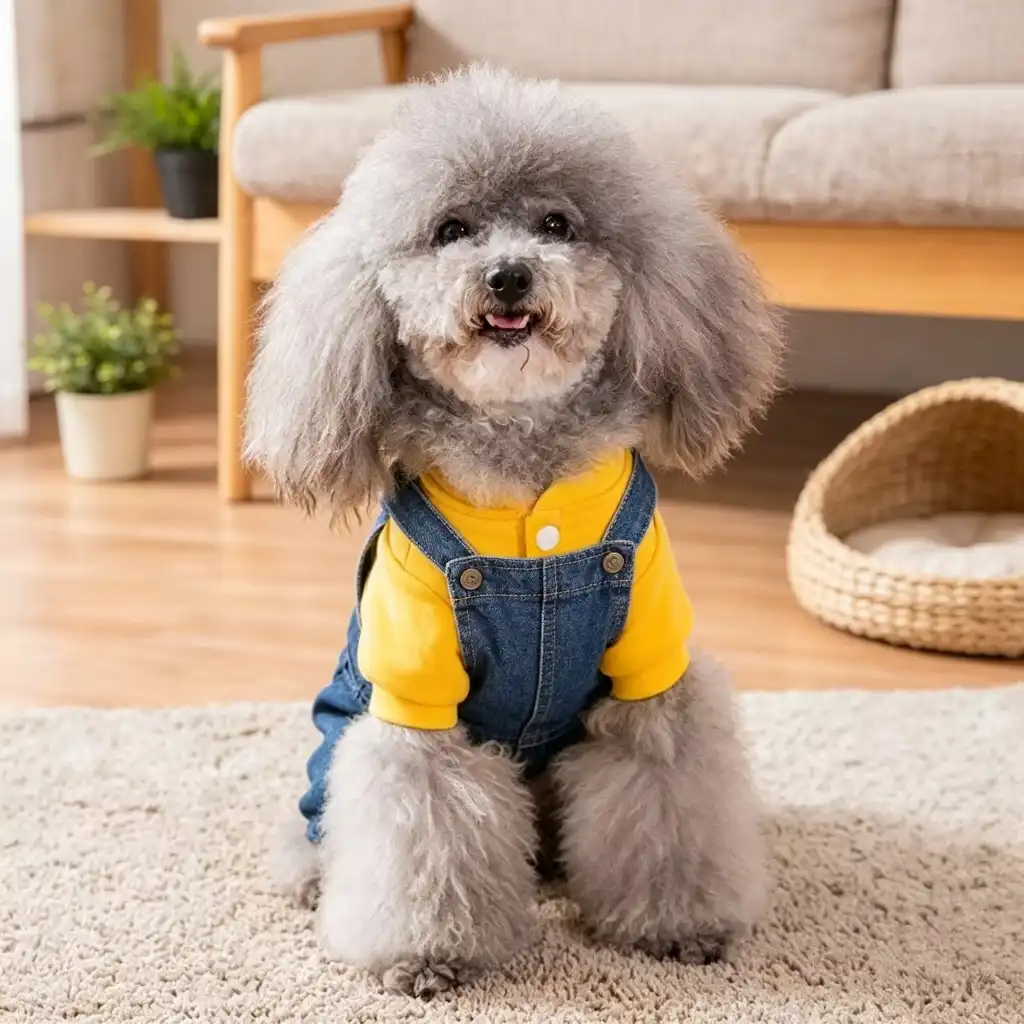

Understanding When Dogs Need a Coat
A dog's temperature perception depends on its breed, body type, and surroundings. Huskies and other northern dogs have a warm layer. The lack of this in short-haired dogs like Chihuahuas and Greyhounds makes even moderate temperatures stressful. Age matters. When outdoors, puppies and senior dogs require particular attention since they have problems maintaining body temperature. Consider your dog's health. Cold weather hurts arthritic and immune-compromised dogs, who require continual warmth.
Breed-Specific Temperature Tolerances
Surprisingly well, big dogs with thick coats can handle cold weather. Most of the time, they don't need extra clothes to stay warm in temperatures as low as 20°F (-6°C). It is best to keep toy dogs and dogs that weigh less than 15 pounds inside when the temperature drops below 50°F (10°C). Cold air makes it hard for dogs with short muzzles to breathe, like Bulldogs. They need clothes that are both warm and open. Product lines that meet the needs of a wide range of users in different areas and breeds can be chosen by buying teams that know about these differences.
Environmental Factors Beyond Temperature
A dog loses a lot more heat when the wind speed is 15 mph or more. This makes a quiet 35°F day feel much cooler. Both rain and snow are dangerous because they make fur wet, which makes it less warm and increases the chance of freezing. In cities with salty streets, chemical allergens make things even worse because they hurt paw pads and make people not want to be outside for long periods of time. More than one problem is solved by products with waterproof shells, adjustable closures, and bright trim. This makes them more valuable for shops that want to draw honest pet owners.
Recognizing Cold Stress Signals
People who own dogs often miss the signs that their dogs are unhappy because they change the way they act. One of the most obvious signs is shaking, which happens when the body tries to make up for lost heat. When an animal hits its tolerance level, it doesn't want to walk, lifts its hands over and over, or looks for a place to hide. There is a chance that the animal will die if it stays out in the cold for a long time. The ears, tail, and paw pads could get frostbite. By telling people about these warning signs, your line of products stops people from getting sick instead of just looking nice. This gets people to trust the brand more.
Types of Dog Coats and Their Suitable Temperature Ranges
Different items stand out by having architectural characteristics suitable for weather and activity. There are padded jackets for chilly regions, waterproof jackets for rainy places, and light coats for seasonal places. Performance textiles for outdoor clothing have been developed thanks to material science advances. Synthetic down, moisture-wicking layers, and breathable covers are beneficial without being cumbersome. This section allows businesses to match technical features with pricing points and target segments, although it can be improved.
Insulated Winter Coats for Subzero Conditions
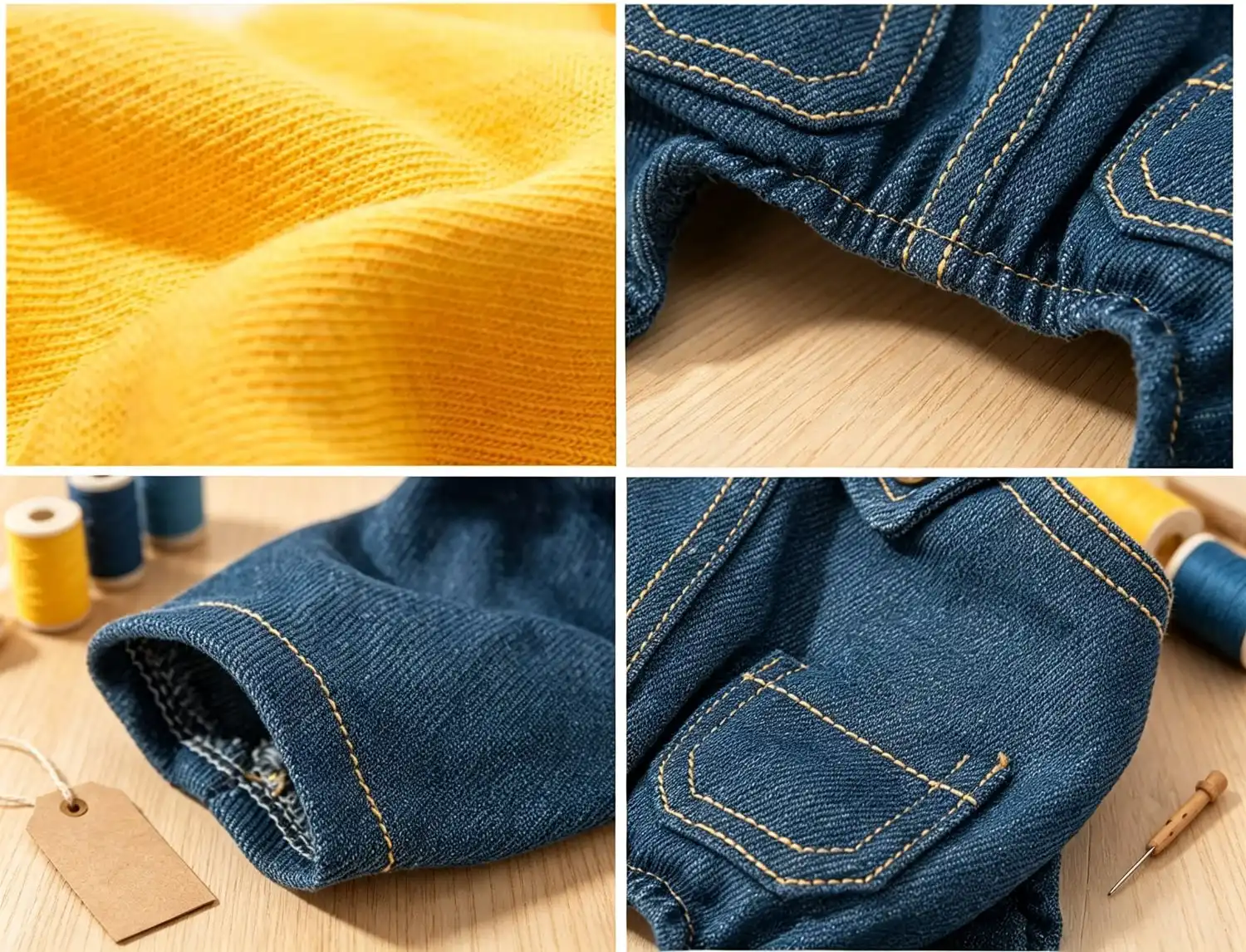
When it's below 20°F (-6°C), dog coats need winter parkas to keep them warm, just like people do. A good insulated coat has synthetic fill or recycled polyester batting between the tough outer shell and the soft inside lining. These styles work best in dry, cold places where the major risk is wind getting in. Long chest panels, high collars, and coverings around the belly keep heat from leaving the body's core. A lot of people in this area like to stay busy in the winter, which means that brands can charge more when they want to sell to people in the north.
Waterproof and All-Weather Designs
In places where it rains, clothes need to keep water out while still letting air flow through them so you don't get too hot while you're moving around. Underlayers stay dry because the durable water-resistant (DWR) coatings on technical fabrics keep water and snow off of them. Because seams are sealed and there are storm flaps around closures, leaks that hurt performance can't happen. Temps in this group are between 2°C and 10°C, or 35°F and 50°F. It rains and is not too cold. This is great for city dwellers because it means they don't have to change clothes to go from morning walks to weekend camping trips.
Lightweight Fleece and Transitional Layers
You don't need as much cushioning in spring and autumn, but you should still cover it. Recycled polyester fleece jackets keep you warm in 45°F to 60°F (7°C to 15°C) weather. These products keep aging or recovering pets warm and comfy. Fleece breathes, keeping you warm and cool while playing. Budget-conscious customers looking for multi-season apparel should visit this neighborhood. It contains brands that use eco-friendly products.
Reflective and High-Visibility Safety Options
Nighttime safety and warmth may be achieved using standout garments. Photoluminescent or bright strips alert drivers to early morning and late-night pedestrians. This reduces accidents. They supplement insulation, making them suitable for a wide variety of temperatures. Residents in safe cities favor qualities that make things easy to see. This distinguishes businesses that invest money in technological elements that address real-world challenges beyond safety.
How to Choose the Right Dog Coat: A Decision Support Framework
To be excellent at purchasing, you must balance what individuals desire with what the firm requires. Its durability and consumer satisfaction depend on its substance. Luxury materials don't pill and retain their form after washing. They can also withstand dog wear. Size accuracy affects returns directly. Detailed measuring guidelines and several sizing options reduce brand anxiety after the transaction. People want to know how their purchases impact the environment; thus, eco-friendly policies influence what they buy.
Material Selection and Durability Standards
Most buyers select polyester because it's durable, colorful, and simple to clean. Eco-friendly versions are made from recycled polyester from plastic bottles, which eco-conscious people like. The item will endure longer if dogs are wounded by thorns or rough surfaces since ripstop weaves prevent tearing. Kingwe-star and others promote RoHS 2.0 and Oeko-Tex Standard 100. No dangerous elements mean the items are safe and durable for regular use.
Ask about the fabric's weight (grams per square meter), water column grade (for waterproofness), and wear test results to evaluate a supplier. Technical metrics enable comparisons beyond appearance. We can make fact-based decisions, eliminating quality disagreements. Testing facilities help suppliers check quality, eliminating small mistakes that harm brands.
Sizing Systems and Fit Considerations
Pet clothing sizes don't always match, which frustrates customers and raises returns. Some brands measure neck, chest, and back length from collar to tail base. Many body types may be accommodated by elastic strips, Velcro ties, and buckle systems. Sometimes sizes are off. Provide video training and written guides with clear measurement instructions to avoid this. Your brand will seem professional and customer-focused.
Breed size matters when producing anything. Deep-chested greyhounds need tight-waisted clothes. Bulldogs are bulky and require shorter clothes. Breed-specific and conventional sizes distinguish premium lines. This boosts income and fixes fit difficulties that ordinary plans don't.
Customization and Branding Opportunities
Branding pet items is still important for companies. Package labels, hang tags, and embroidered logos may distinguish common items and boost brand value. Kingwe-star's design team can assist you. Three or more free custom design drafts and low minimum purchase quantities make exploring new concepts affordable. With this much freedom, you may develop seasonal items or enter niche areas with unknown demand.
Beyond identification, function-based customization satisfies market demands. For chilly markets, heating element pockets and D-ring harness holes allow you to connect a leash without taking off your coat. Companies that create goods must work with their suppliers to find the best technique to make hard-to-make, inexpensive products. Flexible manufacturers can adjust to unique demands, unlike rigid bulk producers.
Best Practices for Dog Coat Use and Maintenance
To make your firm stand out, educate customers on how to maintain items since maintenance influences longevity. Polyester textiles may be cleaned several times if they are washed in a machine at a safe temperature (below 105°F/40°C) using mild soaps without optical brighteners that degrade water-repellent coatings. High-heat tumble drying may melt synthetic fibers or break waterproof coatings. Air drying keeps fabric form better. Clear care labels extend product life and prevent premature breakdown, which may lead to unfavorable evaluations. They demonstrate the brand's professionalism.
Fitting Techniques for Optimal Comfort
It's important to find the right fit so that you can move freely while still being covered. Coats should go from the base of the neck to just before the tail. This way, the legs can move easily, and the step length isn't limited. It's best for chest straps to fit close to the body without pressing on the ribs. Two fingers should be able to easily move between the fabric and fur. If the dog coat scratches or tries to take off the clothes too much during the first wear, it may mean that the size needs to be changed. Customers trust brands more and are more likely to buy something when they make it easy for them to return and swap things during the fit-testing process.
Storage Strategies to Extend Product Life
Things that are stored during the off-season need to be kept dry and free of bugs. Clean your clothes really well before putting them away to get rid of any organic residues that could attract bugs or help mildew grow. When you let air flow through clothing bags, dust and moisture don't build up as they do in plastic containers that are sealed shut. To keep bugs away naturally, use lavender bags or cedar blocks. Do not use chemicals that dogs don't like. When shops include storage tips in blog posts or on the back of packaging, it's an extra bonus that customers will want to buy from them again.
Case Studies and Industry Insights for Strategic Procurement
In North America, the market for clothes for pets keeps growing every year. About 35% of the sales in this group are winter clothes. Brands that do well take advantage of changes in seasonal demand by stocking up before the season starts. So, they can make sure they have enough space to make things before the busy times of the year, when prices go up and wait times grow. Companies offer better prices and more open schedules in the summer, so strategic buyers place their orders then. During the fall, companies slowly release their goods to keep their cash flow efficient and adapt to the changing needs of the market.
Emerging Material Technologies
Cold-weather coats have stitched-in battery heaters. New approaches may cost 3-4 times more than insulated ones. Residents face issues with prolonged cold. Electrical safety and battery maintenance and charging instructions should be included in hot goods. Successful supplier electronics integration reduces risk. Media and social media highlight these companies' distinctive goods.
Sustainable manufacturing alters youth and adult expectations. Eco-conscious buyers will pay extra for recycled polyester promises. Third-party certifications and secure supply chains may steal market share from environmental marketers. Kingwe-star passed BSCI and Sedex eco-manufacturing audits. Competition's purchasing partners acquire persuasive sustainability tales.
Supplier Evaluation Criteria
Credible producers have talent, not advertisements. Request a product production, quality control, and raw material storage facility tour or video. Your pattern development, size scaling marking, and prototype iteration scheduling questions show engineering skill. Strong suppliers manage customer accounts, announce new work, and prevent difficulties.
The documents indicate how severe the limitations are and how corporations may develop. European safety requirements apply to CE-marked products. CPSIA-marked products satisfy U.S. child and pet safety regulations. ISO 9001 manufacturers manage quality systematically. Improves batch homogeneity and reduces mistakes. These certificates prove the institution strives for excellence and protects buyers over time.
Conclusion
Dog coats can only take so much heat depending on breed, size, and location. However, broad principles may help you design and promote new products. In practically freezing conditions, dogs need warm clothes. Older and smaller dogs need more shelter in warmer weather. Material, fit, and design quality determine a product's success in competitive markets. Because informed cat owners care about their pets. Connecting with manufacturers that know their stuff, can improve, and have checkable compliance credentials may help businesses stay ahead of the competition and increase market share. Knowing these statistics enables you to make money year-round with Christmas items. Customer-focused product innovation and data-driven inventory planning allow this.
FAQ
1. At What Temperature Should I Put a Coat on My Dog?
When it gets below 45°F (7°C), you should usually think about getting your dog some outerwear. This is especially true for small breeds, puppies, and older dogs. When it's 32°F (0°C) or less outside, most dogs should wear layers to stay warm. We need to deal with wind chill and rain faster. On a 40°F day with wind, it feels colder than on a 40°F day with no wind.
2. How Do I Measure My Dog for a Coat?
Thirdly, measure the back of the dog from the base of the collar to the base of the tail. The neck should be the biggest part. The chest should be the largest part behind the front legs. Don't think that these sizes are the same for all types; instead, look at size charts from the manufacturer. If you're not sure what size to get, get the bigger one so it fits better.
3. Can Dogs Overheat in Coats?
Keeping an eye on how much people are moving and the room's temperature keeps it from getting too hot. Coats should be taken off when doing intense exercise or going from cold places outside to warm places inside. Dogs use breathing to keep their bodies cool. A dog is probably too hot if it drools a lot or looks for cool places. It needs to have its coat taken off right away.
4. Are Heated Coats Safe for Dogs?
Good heated designs use low-voltage systems that turn off automatically so they don't get too hot. Keep an eye on the skin the first time you use it, and every 15 to 20 minutes, check to see how it's doing. Pick things that have battery packs that can be taken off and put on another coat so that you can wash the old ones that have worn electrical parts.
5. What Materials Work Best for Dog Coats?
This type of fabric is good for the environment, lasts a long time, and doesn't get damaged by weather. For waterproof items to stay breathable, they need DWR treatments or materials that have been laminated. Stay away from things that are stiff or that rub against your skin. It doesn't hurt to wear them for a long time because the insides are soft, and the outsides are strong enough to handle the wear and tear of outdoor activities.
Partner with Kingwe-star for Premium Dog Coat Manufacturing
Kingwe-star has been making pet products for 16 years, which can help brands find reliable dog coat suppliers. Our 10,000-square-meter building is home to more than 500 trained workers who make eco-friendly polyester coats that are approved by RoHS 2.0, CE, and OEKO-TEX Standard 100. Your order quantity (MOQ) can be as low as 500 pieces per style, so you can test the market without having to worry about too much inventory. A sample can be made by our 30-person design team in three days. This lets us get goods on the market quickly and fill in gaps in seasonal demand. Full OEM and ODM services include private label branding, name embroidery, and custom packing. This makes generic goods stand out and allows them to be sold for more money. Send an email to luna@bllgift.com to talk to one of our specialized account managers about your specific needs and get unique design ideas.
References
1. American Kennel Club. (2022). "Cold Weather Safety for Dogs: Temperature Guidelines and Breed Considerations." AKC Canine Health Foundation Publications.
2. Veterinary Medicine Journal. (2021). "Thermoregulation in Domestic Dogs: Physiological Responses to Temperature Extremes." Vol. 48, Issue 3, pp. 234-251.
3. Pet Product Retail Association. (2023). "North American Pet Apparel Market Analysis: Trends, Growth Drivers, and Consumer Preferences." Annual Industry Report.
4. Cornell University College of Veterinary Medicine. (2020). "Hypothermia and Cold-Related Injuries in Companion Animals: Prevention and Treatment Protocols."
5. Journal of Animal Physiology and Behavior. (2022). "Breed-Specific Temperature Tolerance in Canis familiaris: A Comparative Study." Vol. 67, pp. 412-429.
6. International Pet and Animal Transportation Association. (2023). "Best Practices for Pet Protective Apparel: Safety Standards and Material Specifications." Technical Guidelines Document.
_1779702410222.png)

_1779947269970.jpg)
_1779703042122.png)
_1779179662775.png)
_1779703075683.png)
_1778230154935.png)