- English
- French
- German
- Portuguese
- Spanish
- Russian
- Japanese
- Korean
- Arabic
- Greek
- German
- Turkish
- Italian
- Danish
- Romanian
- Indonesian
- Czech
- Afrikaans
- Swedish
- Polish
- Basque
- Catalan
- Esperanto
- Hindi
- Lao
- Albanian
- Amharic
- Armenian
- Azerbaijani
- Belarusian
- Bengali
- Bosnian
- Bulgarian
- Cebuano
- Chichewa
- Corsican
- Croatian
- Dutch
- Estonian
- Filipino
- Finnish
- Frisian
- Galician
- Georgian
- Gujarati
- Haitian
- Hausa
- Hawaiian
- Hebrew
- Hmong
- Hungarian
- Icelandic
- Igbo
- Javanese
- Kannada
- Kazakh
- Khmer
- Kurdish
- Kyrgyz
- Latin
- Latvian
- Lithuanian
- Luxembou..
- Macedonian
- Malagasy
- Malay
- Malayalam
- Maltese
- Maori
- Marathi
- Mongolian
- Burmese
- Nepali
- Norwegian
- Pashto
- Persian
- Punjabi
- Serbian
- Sesotho
- Sinhala
- Slovak
- Slovenian
- Somali
- Samoan
- Scots Gaelic
- Shona
- Sindhi
- Sundanese
- Swahili
- Tajik
- Tamil
- Telugu
- Thai
- Ukrainian
- Urdu
- Uzbek
- Vietnamese
- Welsh
- Xhosa
- Yiddish
- Yoruba
- Zulu

Installing a lace-front human hair wig might seem intimidating at first, but with the right approach, anyone can achieve a seamless, natural-looking result. A hair wig offers unmatched versatility and realism compared to synthetic alternatives, making it a popular choice for those seeking premium hair replacement solutions. The transparent lace front melts into your skin tone, creating an undetectable hairline that looks like your own scalp. Whether you're new to wigs or simply looking to refine your technique, this comprehensive guide walks you through every essential step to confidently install your lace front wig and achieve professional-quality results at home.
Understanding Lace Front Human Hair Wigs
What Makes Lace Front Wigs Unique?
A lace front human hair wig has a sheer lace panel on the front face where each hair is tied by hand with great care. The hair can grow out naturally from the lace base this way, just like hair grows from your head. Full-lace wigs have lace all the way around the cap. There is lace on the front of lace front wigs, and the back is machine-wefted to make it stronger. These wigs look good and last a long time. When it comes to high-end units, the clear Swiss lace that is 0.08mm to 0.12mm thick lets more air flow through and has a finish that is almost invisible on a range of skin tones without having to clean or change a lot.
Virgin Human Hair vs. Processed Hair
The hair used to produce a human hair wig is important. The finest hair is virgin. Hair from one source has never been repaired. The cuticles remain facing the same direction. Thus, the hair retains its gloss and mobility without knotting. Remy hair isn't as excellent as other varieties, but its cuticles are straight, and it may have been mildly treated, like colored. The cheaper non-Remy hair has cuticles that grow in opposite directions and requires more chemical processing. It wears out faster and tangles more. Knowing these distinctions helps buyers choose items that meet their demands and budgets.
Key Specifications That Matter
There are technical factors of a lace front wig that affect its appearance after wearing. The top 13x6-inch lace size provides enough coverage to separate your hair and modify your natural hairline. A hair density of 18% indicates thick, full, but not heavy hair. Brazilian body waves are easy to manage and allow hair to flow naturally. A medium-sized cap fits 21.5-22.5-inch skulls for most individuals. An already-black base color may be modified to match your style or brand. Easy setup, number of styles, and customer satisfaction depend on these factors. All of these are crucial for companies that seek repeat consumers.
Step-by-Step Installation Process for Beginners
Preparing Your Natural Hair and Scalp
The key to a good human hair wig fitting is getting ready right. Before you glue your hair together, wash your natural hair with a clarifying shampoo to get rid of any product buildup, oils, or residue that might get in the way. After your hair is fully dry, there are several ways to flatten it against your head, depending on how long and thick your hair is. If your hair is short, all you need is a brush to smooth it back. Make cornrows in your hair and let it dry if you want to wear it flat against your head. You could also glue your hair around the outside of your head and wrap it around the outside to make a smooth surface. Your real hair shouldn't touch the wig, so put a thin layer of wig cap or stocking cap on top of it. Also, this will help the glue stay away from your real hair.
Positioning the Lace Front Correctly
You must place your wig carefully to achieve a lifelike face. Put the wig on with the lace edge approximately a finger-width beneath your hairline, not on top. Cover both sides of your head with the headgear. This little backward tilt avoids the design from being too forward, and the lace fits well. Verify the ear tab placement to ensure the wig fits equally on both sides. You should have both tabs at ear level. The nape should feel pleasant at the base of your skull, not pull or gape. Slide the interior combs or clips into your flat hair or wig cap to improve fit. It will stay in place as you glue. Taking your time now prevents application errors and ensures fair outcomes.
Applying Adhesive for Secure Hold
What adhesive you use depends on your lifestyle and skin sensitivity. Wig glue sticks best and lasts 2–6 weeks. It handles sweat, activity, and hectic lifestyles. Use caution while putting it on and taking it off to avoid damaging the tiny lace. Easy to apply and remove, wig tape offers a mild grip that lasts three to seven days. This makes it ideal for beginners or those who take off their wig at nighttime. Clean your hair and remove oils with alcohol wipes first. Apply a small, uniform coating of adhesive on your forehead where the lace will meet your skin. A small brush works for this. Only press the lace down once the adhesive is tacky, approximately one to two minutes. To avoid air holes, press the lace firmly into the adhesive with your fingers or a comb. Work in little parts.
Trimming and Customizing the Lace
Once applied, a customized wig is hardly noticeable. near enough to avoid cutting the lace, but not so near as to cut the hair knots. Work outdoors in natural light with sharp fabric or lace-cutting scissors for precision. Don't trim your hairline straight. Cut tiny, straight lines along your hairline. For the most natural effect, leave 1-2 mm of lace beyond the hairline. Some individuals use foundation or makeup that matches their skin tone to the lace edge after cutting it to blend it in. Due to the difficulty of seeing fine Swiss lace, some like the transparent lace. Pulling out a few hairs near the hairline shrinks it naturally. This prevents thick, even hairlines from seeming "wiggy".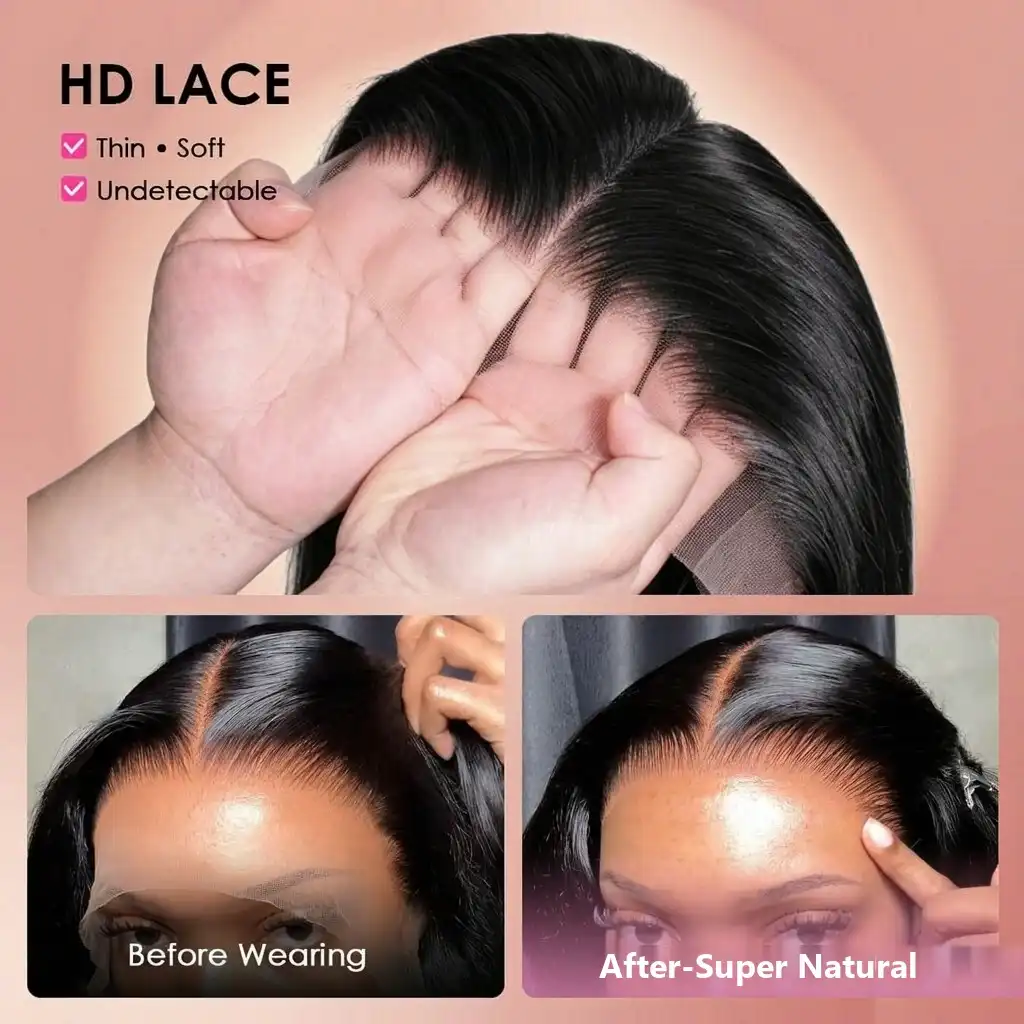
Common Challenges and Solutions in Installing Lace Front Human Hair Wigs
Adhesion Issues and How to Prevent Them
Breaking glue is one of the most frustrating phases of installation. This is usually due to a poorly prepared head or sealing agents. Stickers cling poorly to oily, sweaty, moisturized, or makeup-covered skin. Clean the region where the wig will go with alcohol wipes. The environment also affects adhesion. High humidity and heat may slow glue drying and break it down. In certain scenarios, harsh glues or anything other than tape may be preferable. Product quality is crucial. Professional glues attach to delicate animals over time. Fillers in cheaper glues may reduce their effectiveness.
Addressing Scalp Irritation and Sensitivity
Wig materials may create unpleasant skin reactions; therefore, people may give them up. This is usually caused by strong hair-binding chemicals, poor airflow beneath the wig cap, or too much tension from a tight fit. Choose medical-grade glues that are suitable for delicate skin and test them on their arm for 24–48 hours before applying them to their head. Swiss lace is delicate and airy, so it seldom causes problems. However, lace quality must be checked. Procurement managers should favor suppliers with material safety and skin testing certifications when buying for end users. You can prevent takedown injuries by showing people how to undress. Do not rip or tear lace from your skin; use adhesive removers.
Achieving Natural Alignment and Appearance
Installations that don't look natural are usually because the human hair wig wasn't put on right or wasn't customized enough. You can make your hairline stand out by moving it forward or back. If it's too far forward, it makes your face look smaller. Things that are placed unevenly look off-balance, which takes attention away from what you want. You can get the wig on right by using your body as a guide. Your temples should line up with the wig, and the side ends should curve around your ear as your temples do. Look at the forehead from different angles and in different lights after the glue is dry. Style your hair away from your face. If you touch the see-through lace, it shouldn't show any grid lines or different colors. If it looks like the sides are coming apart, press down on them again or use glue to keep the pieces together.
Maintenance and Care After Installation
Washing Your Installed Wig Properly
Regularly washed wigs stay longer and look better. If you wear a human hair wig daily, wash it every 7–10 days. If you style or exercise regularly, wash your hair more often. Like loose wigs, fitted units should be washed without damaging the adhesive bond. Mix water and sulfate-free shampoo in a spray bottle. Avoid getting the watered-down mixture on the adhesive that secures the unit to the lace front; apply it directly to the hair. Scrubbing your hair in circles might tangle it. Instead, gently massage the shampoo through your hair by moving your fingers downward. Carefully rinse with warm water to remove all product. Avoid the roots and lace from mid-length to ends to hydrate your hair. Let the conditioner sit in your hair for 3–5 minutes. Rinse with cold water. Skin and hair will glow after sealing.
Styling and Heat Application Guidelines
The nicest part about 100% raw human hair wigs is that you may style them with or without heat. Smooth, curl, or wave Brazilian body waves using these pieces. They withstand 400°F (200°C) heat. To avoid repeat damage, apply a heat protectant spray before using thermal equipment. When styling your hair with heat, start with low heat and increase as needed. Heat degrades hair proteins, drying and easy to break. Its 180-density, thick hair may be styled large and fluffy. If you backcomb or overtease it, you may ruin the hand-tied knots. Rest hair in its natural wave pattern between heat styling treatments. This preserves texture and reduces heat exposure.
Storage and Longevity Practices
Maintaining your wig between wears can keep it looking excellent. Carefully break up the adhesive with professional hair removal products on cotton pads along the lace. This lets you remove your lace front wig. Never rip or push beautiful lace off your skin. It and the lace might hurt. Use alcohol on a soft cloth to remove any remaining adhesive from the lace. Clean lace carefully to avoid damage. Use a wig stand or imitation head to hold the cap in place and avoid getting trapped. A silk or satin hat will keep dust out and allow airflow. In direct sunshine or a moist toilet, mold will form, and the color will fade. A nice human hair wig can last 6–12 months if you take care of it.
Procurement Insights for B2B Clients: Selecting the Right Lace Front Human Hair Wigs
Evaluating Supplier Credentials and Certifications
Business-to-business purchasers of lace front wigs must verify the supplier's credentials. ISO 9001 certification indicates the firm applies quality control methods throughout manufacturing. This maintains product quality for large sales. Certifications like OEKO-TEX Standard 100 ensure that wigs and other skin-contact goods fulfill chemical safety regulations. Sellers should be able to prove hair origin due to societal concerns. Please request SGS, TÜV, or Intertek verification of the hair. Virgin human hair protein structures may be determined in lab experiments. Suppliers with 16 years or more experience usually follow quality standards and know global markets. This makes new business contacts safer to purchase from.
Customization Capabilities for Brand Development
Because there are so many beauty products, private label and OEM help businesses stand out. Check how much customisation each provider offers, not just a logo. Can certain organizations have different lace size rules? Do they allow you to choose your own hair texture or common local types? Opening a personalized package impacts how someone views the brand and feels. Both of these are crucial for social media beauty companies to retain clients. Also consider the minimum order amount. Before making large purchases, test the market with 500 to 3,000 unit orders from your supplier. Fast sample production is crucial in trend-based marketplaces. Brands may try new designs before the market becomes crowded when suppliers supply samples in 3–7 days.
Pricing Structure and Value Analysis
Procurement staff can better estimate margins by understanding pricing components. The price is exorbitant since there is little supply and it must be hand-processed. Brazilian hair usually costs from ordinary to pricey. Its inherent body and versatility appeal to many cultural audiences. Lace fronts cost more than caps because each strand must be hand-knotted, which takes time and expertise. The price fluctuates with density. Units with 18% density consume roughly twice as much hair as those at 100–130%. Because of its unique production, clear Swiss lace costs extra. Large purchases usually get 10–25% savings. You may save more with a long-term supply contract. The whole pricing should include items, customisation costs, delivery details, and import taxes. This gives accurate landing costs.
Conclusion
It's important to use the right tools and follow the right steps when putting on a lace front human hair wig. You can make a wig fit in with your natural look by following planned steps for getting ready, placing it correctly, applying adhesive carefully, and making any other changes you want. You can solve everyday issues before they become problems if you know about them. Your investment will be safe, and the wig will work well for as long as it lasts if you take care of it regularly. If you're in the competitive beauty market, you should put quality construction, verified materials, and dependable sources at the top of your list. This is true whether you're looking for personal styling services or inventory.
FAQ
1. How long does a properly installed lace front wig last?
A lace front human hair wig will stay in place for two to six weeks, depending on the bonding agent used, how active the person is, and the environment. You can wear the wig every day for 6 to 12 months if you take good care of it. It can last longer if you buy good virgin human hair, wash it the right way, and only use heat on it in small amounts. As of now, clear Swiss lace is still very durable as long as it is taken off carefully and cleaned.
2. Can I exercise and swim while wearing a lace front wig?
It depends on how well your exercise works with the glue you choose. When you work out lightly, professional-grade wig glues can handle sweat and moisture. But if you work out hard several times a week, you should clean the hairline and reapply the glue. Cholera and the ocean make things harder when you swim because they hurt hair and break down glue ties. Or, if you do a lot of swimming, buy a "swim wig" and take off your wig before you go in. You should clean the area around your neck every time you work out and let it breathe every so often to keep your head healthy.
3. What adhesive works best for sensitive skin?
Medical-grade glues that don't contain rubber and are made for sensitive skin are less likely to hurt and still stick well. Solvent-based adhesives tend to cause more reactions than water-based ones most of the time. Wig tape is the gentlest choice for people with sensitive skin, but you have to use it more often. First, put the product on the inside of your arm and wait 24 to 48 hours. Then, put the product on your head. When buying things for sensitive people, look for brands that focus on dermatological tests and hypoallergenic products. These brands will back up their safety claims with proof.
Partner with Kingwe-star for Premium Human Hair Wig Solutions
Because it began more than 16 years ago, Kingwe-star has worked with beauty brands, wholesalers, and stores in more than 100 countries to make human hair wigs. There are design, R&D, and production areas in our new 10,000+ square foot building. Twenty engineers and thirty expert designers are among the more than 150 skilled workers who work there. We offer full OEM and ODM services that are tailored to the goals of your brand. Our low order minimums make it easy to test the market or start making a lot of things. Our Brazilian body wave lace front wigs are made with high-quality Swiss lace, rich 180% density hair, and 100% fresh hair that has not been treated. Our products have been approved by ISO 9001, CE, RoHS 2.0, and Oeko-Tex Standard 100. They also meet high international safety standards that have been checked by SGS, TUV, and Intertek. Samples are sent out within three days, and dedicated account managers offer OEKO-TEX-certified help and real-time updates on production. Send an email to luna@bllgift.com to get custom prices and find out how our quality items and reliable service can help your collection of beauty brands.
References
1. Johnson, M. & Williams, R. (2022). Advanced Techniques in Lace Wig Application and Maintenance. Professional Beauty Publishing.
2. Chen, L. (2021). "Quality Assessment Parameters for Virgin Human Hair Products in Global Trade." International Journal of Cosmetic Science, 43(5), 612-628.
3. Thompson, K. (2023). The Complete Guide to Hair Replacement Systems: From Selection to Installation. Beauty Industry Press.
4. Rodriguez, A. & Martinez, S. (2022). "Dermatological Considerations in Adhesive Selection for Lace Front Wig Applications." Journal of Cosmetic Dermatology, 21(8), 3341-3352.
5. Davies, P. (2023). B2B Procurement Str,ategies in the Global Beauty Supply Chain. International Trade Publications.
6. Washington, T. (2021). "Evaluating Construction Quality in Hand-Tied Lace Wigs: A Technical Analysis." Hair Science Quarterly, 14(2), 89-107.
_1779947124928.jpg)

_1779947786252.jpg)

_1779702960313.png)
_1779947706970.jpg)
_1779947817260.jpg)
_1779947867243.jpg)