- English
- French
- German
- Portuguese
- Spanish
- Russian
- Japanese
- Korean
- Arabic
- Greek
- German
- Turkish
- Italian
- Danish
- Romanian
- Indonesian
- Czech
- Afrikaans
- Swedish
- Polish
- Basque
- Catalan
- Esperanto
- Hindi
- Lao
- Albanian
- Amharic
- Armenian
- Azerbaijani
- Belarusian
- Bengali
- Bosnian
- Bulgarian
- Cebuano
- Chichewa
- Corsican
- Croatian
- Dutch
- Estonian
- Filipino
- Finnish
- Frisian
- Galician
- Georgian
- Gujarati
- Haitian
- Hausa
- Hawaiian
- Hebrew
- Hmong
- Hungarian
- Icelandic
- Igbo
- Javanese
- Kannada
- Kazakh
- Khmer
- Kurdish
- Kyrgyz
- Latin
- Latvian
- Lithuanian
- Luxembou..
- Macedonian
- Malagasy
- Malay
- Malayalam
- Maltese
- Maori
- Marathi
- Mongolian
- Burmese
- Nepali
- Norwegian
- Pashto
- Persian
- Punjabi
- Serbian
- Sesotho
- Sinhala
- Slovak
- Slovenian
- Somali
- Samoan
- Scots Gaelic
- Shona
- Sindhi
- Sundanese
- Swahili
- Tajik
- Tamil
- Telugu
- Thai
- Ukrainian
- Urdu
- Uzbek
- Vietnamese
- Welsh
- Xhosa
- Yiddish
- Yoruba
- Zulu

Dogs genuinely enjoy plush toys — and the reasons run deeper than simple play. A well-made dog plush toy satisfies multiple instinctual drives at once: the urge to chew, the need for comfort, and the desire for social interaction. Studies in animal behavior confirm that soft, squeaky toys trigger a dog's prey response, keeping them mentally stimulated and emotionally grounded. Whether your brand serves anxious puppies or high-energy adult dogs, understanding what drives canine attachment to plush toys is the foundation of building a product line that actually sells.
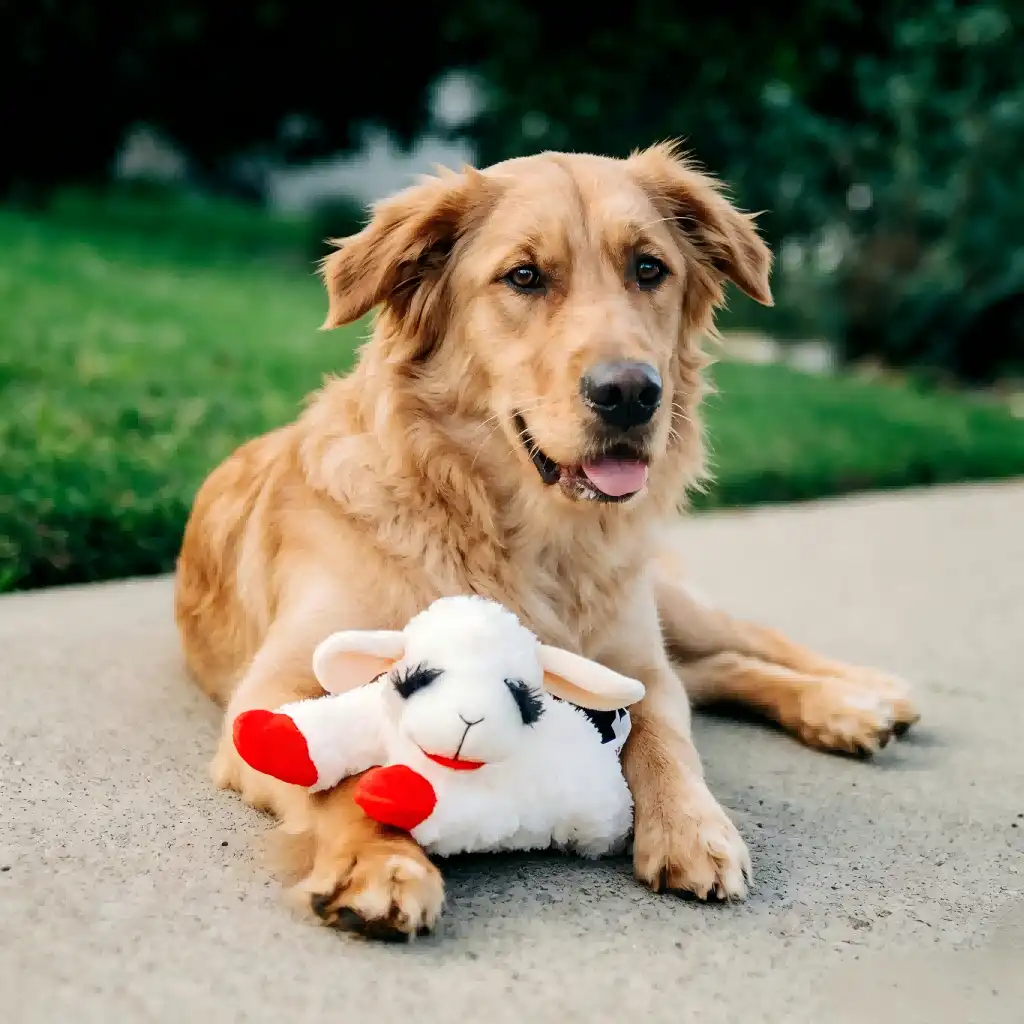
Why Dogs Are Naturally Drawn to Plush Toys
The Instinct Behind the Obsession
All dogs, no matter how small, are naturally hunters. Dogs hear a squeak when they bite into a soft toy because it sounds like the cry of small prey. This sets off a deeply ingrained brain reaction. Applied Animal Behavior Science published a study that found that dogs are much more interested in toys that make noise, like squeakers, than in toys that don't make noise. Not a quirk; it's just how things are. For kids, a soft toy with a squeaker is more than just a feature; it's a behavior trigger that leads to repeated play and emotional connection.
Comfort, Anxiety, and the "Security Object" Effect
Many dogs, especially pups and older dogs, use soft toys for more than just playing with them. This is similar to what has been seen in human babies, where regular touch lowers cortisol levels. When dogs are left alone for long periods of time and given a plush friend, they are much less likely to do something bad. This emotional utility directly leads to repeat purchases and strong customer trust for B2B buyers who are looking for products for retail or direct-to-consumer platforms.
Key Considerations When Procuring Dog Plush Toys for B2B Clients
Any serious buyer will not be willing to compromise on safety and compliance. Certifications like EN71 and ASTM F963 exist because dogs play with toys by putting them in their mouths, which means that any chemical contamination, detachable part, or structural failure is a direct risk of ingestion. It only takes one recall to forever damage a brand's listing on Amazon or Chewy.
Here are the most important things that skilled B2B buyers look for in a purchase:
- Material safety: Outer fabrics must be free from phthalates, heavy metals, and azo dyes. Hypoallergenic poly-fill stuffing reduces the risk of allergic reactions in sensitive breeds. All colorants should pass saliva colorfastness testing to ensure dyes don't leach during play.
- Squeaker enclosure design: Professional-grade dog plush toy house internal squeakers inside protective fabric pouches, not loose within the stuffing. This prevents immediate swallowing if the outer shell is breached during aggressive chewing.
- Seam integrity: Double or triple-stitched seams with pull-force resistance exceeding 90 Newtons are the standard for durability-focused products. Seam failure is the leading cause of plush toy returns on major retail platforms.
- Customization capacity: Brand-aligned OEM and ODM options — including embroidered logos, custom hang tags, and seasonal packaging — allow buyers to differentiate at the shelf level without increasing unit cost disproportionately.
Customization options: OEM and ODM options that are in line with the brand, such as embroidered logos, custom hang tags, and seasonal packaging, let buyers set their products apart on the shelf without making the unit cost go up too much.
How Leading Brands Differentiate in the Plush Toy Space
There are more types of people in the market for dog plush toys than it seems. Different brands, like KONG and ZippyPaws, approach longevity in different ways. KONG focuses on stronger rubber-core integration, while ZippyPaws focuses on no-stuffing designs that completely remove choking risks. In the premium esthetic segment, where softness and good looks drive gift-market demand rather than play durability, Jellycat and Gund are popular choices.
Some brands are better than others because they can fix a behavior or safety issue with a product feature, not just a cloth choice. When buyers know the difference between these two terms, they can make better choices about where to buy things and how to make product lines that offer more value to customers.
How to Source, Inspect, and Maintain Dog Plush Toys
Building a Reliable Supplier Evaluation Framework
Finding dog plush toy made overseas takes more than just negotiating prices. A reliable seller should use IQC, IPQC, FQC, and OQC quality inspection procedures at different stages of the production process. Industrial needle detection is a necessary step; product recalls involving multiple SKUs have been caused by broken sewing needles getting stuck in stuffing.
Checklists for inspections should include things like squeaker cycle durability (compression testing), fabric flammability compliance, and dye stability when saliva is added to the test. If buyers use these standards when choosing suppliers, they won't have to pay as much for fixing problems after the fact.
Maintenance Guidance That Supports Retail Positioning
Products last a lot longer if they are washed in a machine on a cold, gentle run and then dried in the air. High-heat drying breaks down synthetic fibers and can change the shape or melt the internal squeaker mechanisms. Putting clear care instructions on the packaging cuts down on customer complaints and boosts positive reviews, which is a factor that has a big impact on search rankings on Amazon and Chewy.
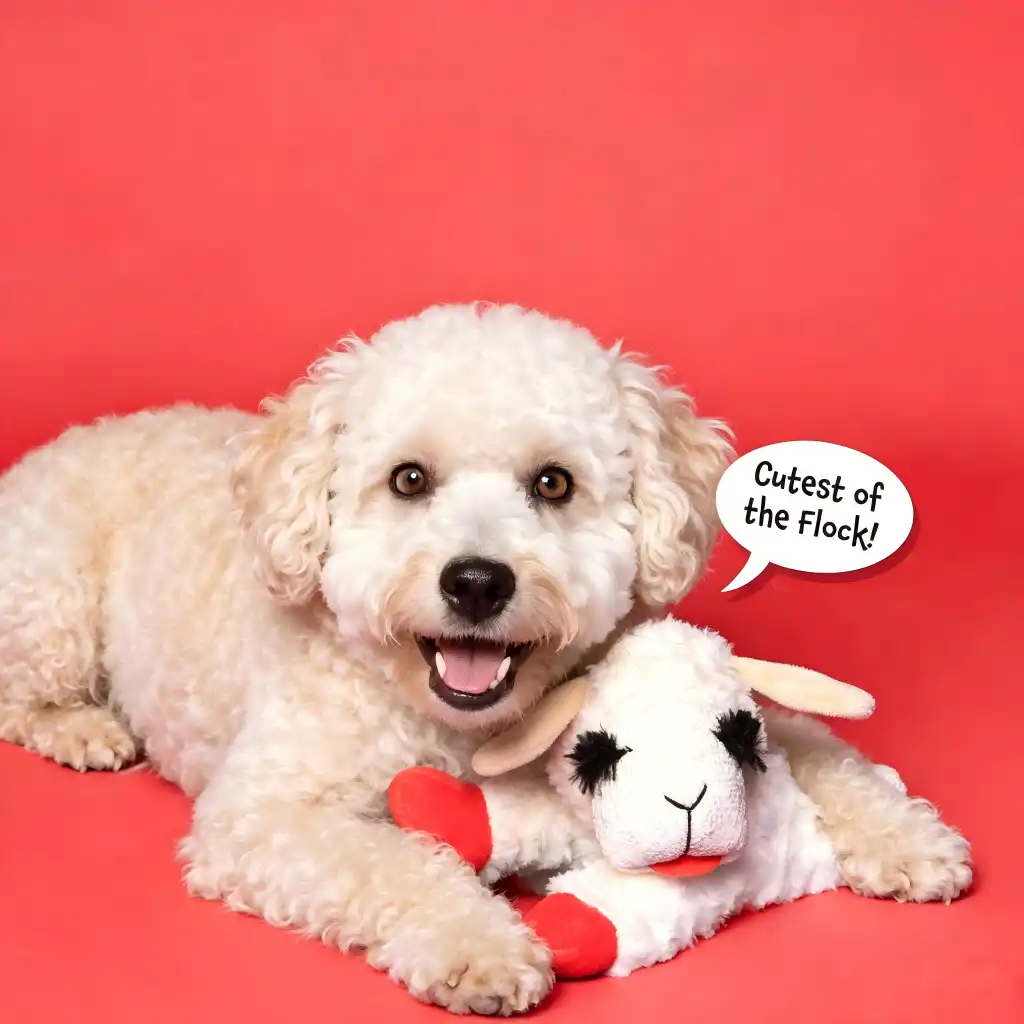
Future Trends Shaping the Dog Plush Toy Market
The next big thing in dog plush toy is coming together around two ideas: smart integration and eco-friendly materials. Toys with sensors inside that react to a dog's touch or sound are becoming more common, especially in the high-end direct-to-consumer market. At the same time, more rules and consumer preferences in the EU and North America are speeding up the use of OEKO-TEX certified fabrics, recycled fiber stuffing, and biodegradable packaging.
This means that procurement professionals should put R&D agility and production capacity at the top of their list when working with suppliers. A maker that can deliver a holiday gift set in Q4 and then switch to an eco-friendly spring launch in Q1 without affecting lead time is more than just a provider; they are a strategic asset.
Conclusion
Along with being fun, dogs like dog plush toy for very basic, instinctive reasons. This provides a long-term business chance for buyers and brands, one that rewards careful product design, strict safety standards, and quick supply chain management. The best product lines make sure that the dog is comfortable, that they can hear interesting sounds, and that the structure will last. This is good for both the dog and the brand's long-term value. Buying choices that are based on these things always work out better than ones that are only based on price.
FAQ
Are plush toys safe for all dog breeds?
Not without some conditions. Dogs that like to chew aggressively, like Pit Bulls, German Shepherds, and Labrador Retrievers, need plush toys that are strengthened, have shells that won't tear, and have squeakers inside. Normal soft plush items work best for dogs that don't like to chew on things too hard or as pets. Buyer segmentation strategies should be based on how breeds behave.
What certifications should a dog plush toy carry?
EN71 talks about chemistry make-up and technical safety for the EU market. For the U.S. market, ASTM F963 is used. REACH compliance makes sure that there are no restricted substances. OEKO-TEX Standard 100 makes sure that no dangerous chemicals are used in the making of materials at any point. Buyers looking for products to sell in more than one market should check all four.
How do squeakers affect toy safety?
When the outer shell is broken, loose squeakers can cause choking. Professionally made toys put squeakers in extra fabric pouches that keep the motor from getting stuck in the dog's mouth. Any product sold through regulated retail methods should have this design trait as a minimum.
What is the typical MOQ for custom plush toy orders?
MOQ depends on what the seller can do. Small-batch customization is possible with runs as low as 500 units per SKU from flexible makers. This lets you test the market before committing to big inventory positions.
Partner With Kingwe-star — Your Trusted Dog Plush Toy Manufacturer
Since 2009, Kingwe-star has been a reliable source for dog plush toys. Their 10,000+ factory is approved by EN71, ASTM, and OEKO-TEX, and their products are safe for dogs to play with. We offer low MOQ choices and support OEM and ODM customization. Our samples can be sent in as little as three days, and we made our products so that brands can test quickly and grow smartly. You can email our team at luna@bllgift.com or go to bllgift.com to see all of our plush toys.
References
- Todd, Z. Wag: The Science of Making Your Dog Happy. Greystone Books, 2018.
- Horowitz, A. Inside of a Dog: What Dogs See, Smell, and Know. Scribner, 2009.
- Rooney, N. J., & Bradshaw, J. W. S. "An experimental study of the effects of play upon the dog–human relationship." Applied Animal Behaviour Science, 2003.
- American Pet Products Association. APPA National Pet Owners Survey. APPA, 2023.
- European Commission. EN 71 Toy Safety Standard: Part 1–9. European Committee for Standardization, 2022.
- ASTM International. ASTM F963-23: Standard Consumer Safety Specification for Toy Safety. ASTM International, 2023.
_1779702889291.png)
_1779179067083.png)
_1779947706970.jpg)
_1779702853880.png)