- English
- French
- German
- Portuguese
- Spanish
- Russian
- Japanese
- Korean
- Arabic
- Greek
- German
- Turkish
- Italian
- Danish
- Romanian
- Indonesian
- Czech
- Afrikaans
- Swedish
- Polish
- Basque
- Catalan
- Esperanto
- Hindi
- Lao
- Albanian
- Amharic
- Armenian
- Azerbaijani
- Belarusian
- Bengali
- Bosnian
- Bulgarian
- Cebuano
- Chichewa
- Corsican
- Croatian
- Dutch
- Estonian
- Filipino
- Finnish
- Frisian
- Galician
- Georgian
- Gujarati
- Haitian
- Hausa
- Hawaiian
- Hebrew
- Hmong
- Hungarian
- Icelandic
- Igbo
- Javanese
- Kannada
- Kazakh
- Khmer
- Kurdish
- Kyrgyz
- Latin
- Latvian
- Lithuanian
- Luxembou..
- Macedonian
- Malagasy
- Malay
- Malayalam
- Maltese
- Maori
- Marathi
- Mongolian
- Burmese
- Nepali
- Norwegian
- Pashto
- Persian
- Punjabi
- Serbian
- Sesotho
- Sinhala
- Slovak
- Slovenian
- Somali
- Samoan
- Scots Gaelic
- Shona
- Sindhi
- Sundanese
- Swahili
- Tajik
- Tamil
- Telugu
- Thai
- Ukrainian
- Urdu
- Uzbek
- Vietnamese
- Welsh
- Xhosa
- Yiddish
- Yoruba
- Zulu

Cleaning your dog collars properly preserves material strength, eliminates bacteria, and ensures comfort for your pet. Nylon collars, particularly snap-closure designs available in black, red, blue, orange, and pink, benefit from regular hand or machine washing with mild detergents. Proper cleaning removes dirt, saliva, and dander while maintaining tensile strength and colour fastness,critical factors that influence collar longevity and hygiene across domestic and commercial use cases.
Importance of Cleaning Dog Collars
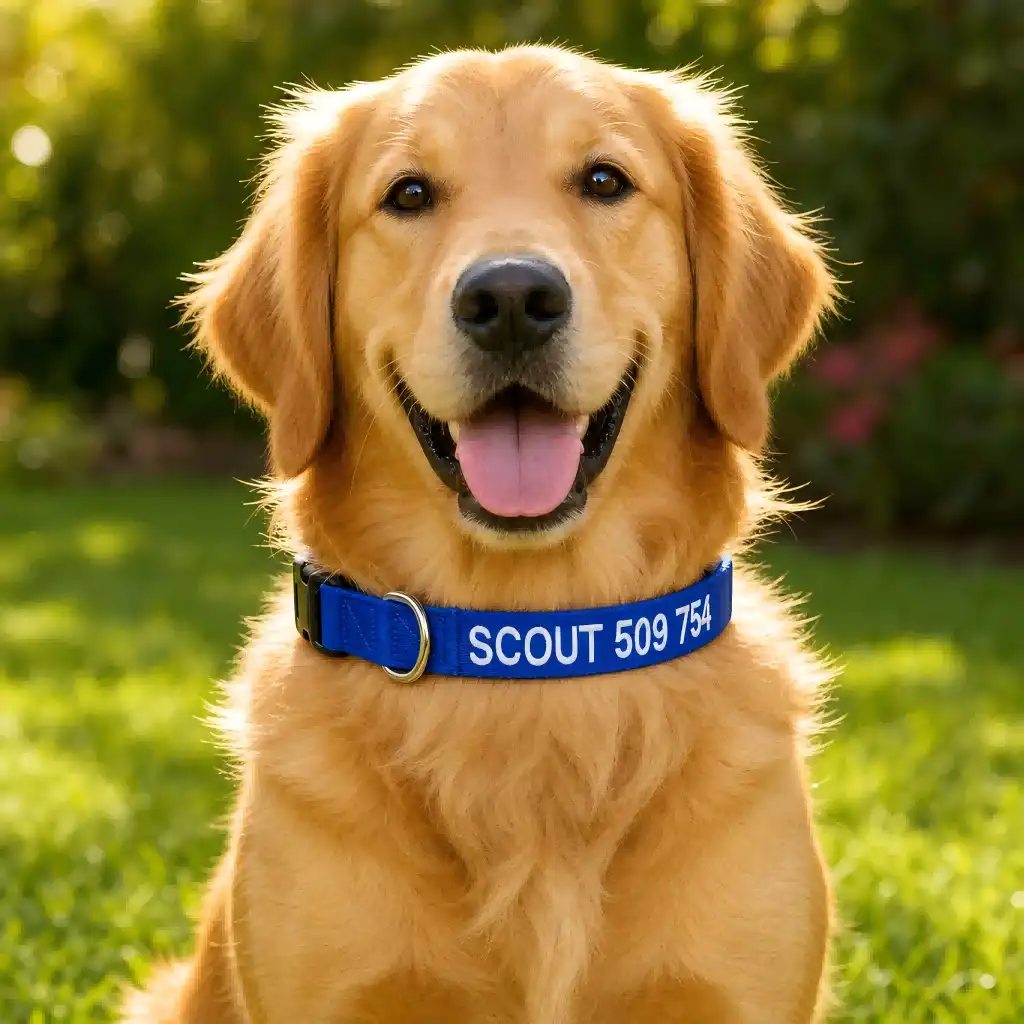
Collar cleanliness has a direct effect on how long the product lasts and how healthy the pet is, especially for companies that sell collars to pet care facilities, stores, or online stores. Bacteria and fungi can grow in places that are dirty from sweat, organic waste, and activities that happen outside. Over time, collars that aren't taken care of develop smells and material wear that make customers unhappy and cause them to return the item.
How Dirt and Bacteria Compromise Quality
Contaminants get into the binding threads and change the color and strength of the structure. UV light and dirt buildup speed up photodegradation in nylon collars, lowering their breaking strength by up to 15% after six months of irregular cleaning. Bacterial colonies, especially Staphylococcus and yeast, grow well in dirty, damp collars, which could lead to rashes or allergy reactions in dogs. When brand managers buy pet products, they need to make sure that hygiene rules are followed to protect end users and keep their reputations.
The Role of Cleaning in Product Lifecycle
Regular cleaning keeps snap-closure systems working and keeps straps from getting stiff, which extends the collar's useful life. People who throw away collars too soon because they smell bad or are dirty miss out on chances to build brand loyalty. On the other hand, dog collars that look good and work well after being washed several times get good reviews and return sales, which is important for businesses that need to compete in markets that are already full.
Materials and Their Cleaning Requirements
Cleaning products and methods work differently on different surfaces. Knowing these differences helps procurement teams choose products with the best maintenance profiles for the people they want to buy them.
Nylon Collar Maintenance
The most common collar material is nylon webbing, which can be washed in a machine as long as it is handled properly. High-tenacity nylon doesn't shrink and keeps its tensile strength above 500 kg even after being washed at temperatures below 40°C. But harsh detergents with bleach or enzymes can remove dye molecules, which can cause colors like red or pink to fade too quickly. Zinc metal snap latches need to be kept away from too much moisture to keep them from rusting, especially in humid places.
Nylon dog collars dry quickly, which makes them less likely to grow mold than leather collars. Brands that stress waterproof coatings should make sure that the PVC or TPU layers stay together after being washed, since delamination hurts both performance and appearance.
Specialized Materials and Coatings
Collars with GPS units or bright strips need to be handled with more care. When washed hard, reflective yarn, which is usually made of polyester with glass beads coated on it, loses its ability to reflect light. Electronic parts need to be taken out completely before submersion, or users should choose to only clean specific areas. Biothane and rubber collars can handle being cleaned more thoroughly, including with disinfectant solutions. This makes them good for places like veterinary hospitals or training grounds where cleanliness is important.
Color Fastness Considerations
The amount of color retention varies from batch to batch. ISO 105-B02 testing makes sure that the pigments are good, but if a customer does something wrong, like mixing colors while cleaning or drying them with high heat, it can still cause bleeding. Most of the time, black nylon dog collars keep their color better than lighter colors, which show stains more easily. To lower the number of returns, distributors should include care directions that stress the right cleaning temperatures and color separation.
How to Clean Dog Collars Effectively?
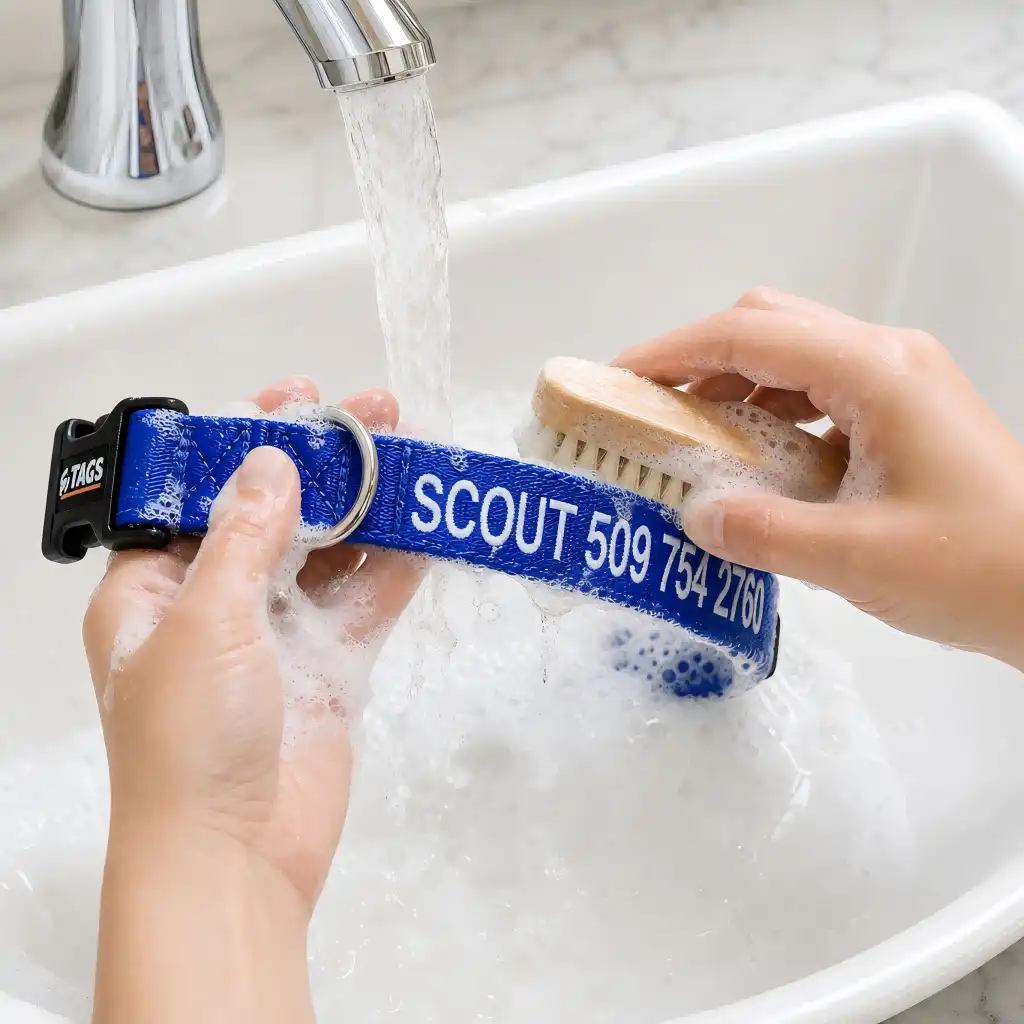
For companies that handle sample units or large inventory, a systematic cleaning procedure is essential for maintaining consistency and protecting the purity of the products they sell.
Material Identification and Inspection
First, make sure you know what kind of hardware and collar it is. Look for signs of wear like frayed stitching, weak snap mechanisms, or rust spots on metal parts. Keep track of the state of the item before it is cleaned to see if it would be cheaper to replace it than to fix it up, especially if it is going to be sold again.
Selecting Cleaning Agents and Tools
Use detergents that don't have any optical brighteners in them because they can damage nylon fibers. Soft-bristled brushes get rid of deep-down dirt without damaging the webbing. Fabric softeners can irritate sensitive skin and make nylon less effective at wicking away moisture. Enzyme-based pet odor eliminators work on organic molecules instead of harsh chemicals to get rid of smells that won't go away.
Controlling the temperature is very important. Luewarm water dissolves oils and grime well and keeps snap locks from being damaged by sudden changes in temperature. A mix of one tablespoon of soap to one gallon of water cleans well without leaving behind any residue.
Washing Process and Odor Removal
Hand washing gives you the most control. Put the collar in the solution that has been made and slowly stir it to get rid of any particles that are stuck in the webbing. Pay attention to areas that get a lot of touch, like near belts, where sweat and saliva build up. Let it soak for 10 minutes to get rid of tough residues.
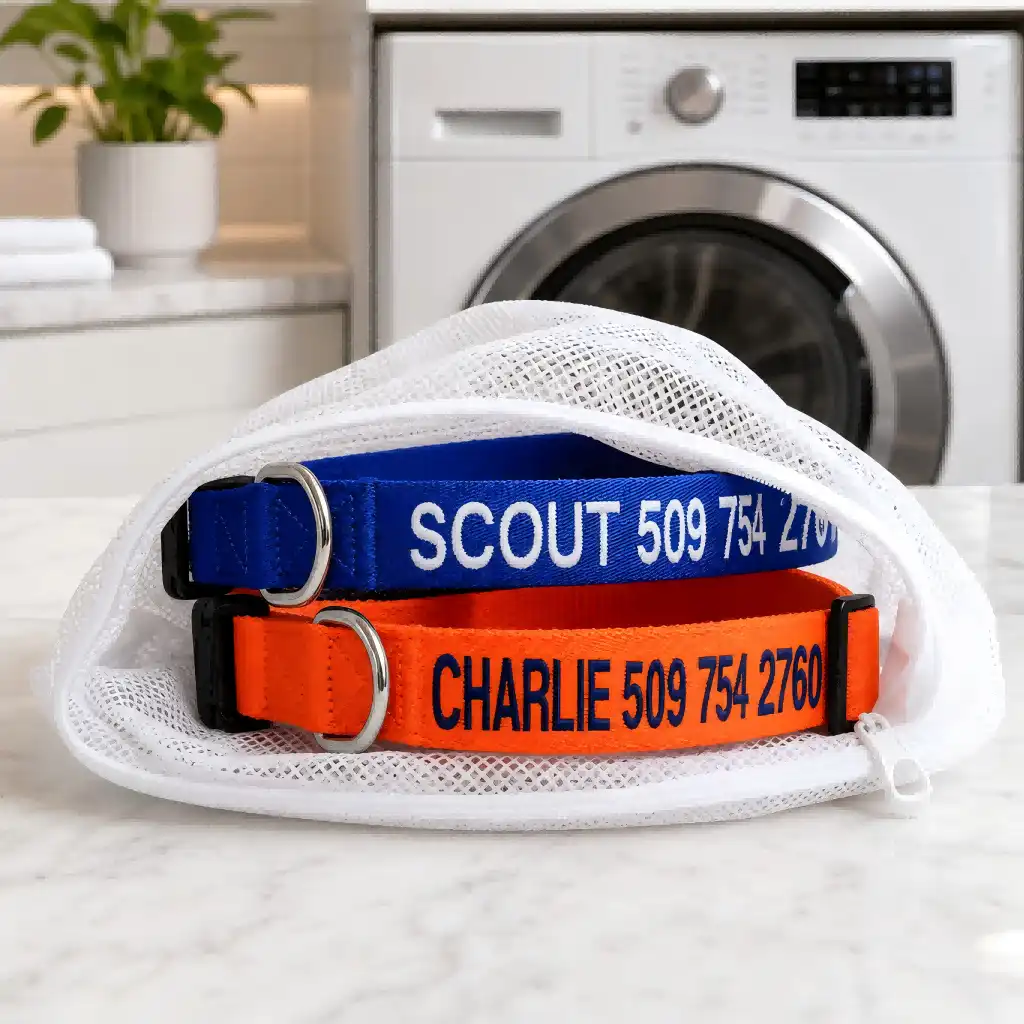
Suit collars that don't have electronic parts can be washed in a machine. To keep hardware from snagging drum interiors, put collars inside mesh laundry bags. You can choose gentle cycles with either cold or warm water. Do not use spin cycles faster than 800 RPM, as this can put stress on the stitches where hardware is attached.
Rinse well until the water runs clear, because soap leftovers can attract dirt and cause allergic reactions. Keep dog collars out of direct sunlight while they dry so that UV rays don't fade the color or weaken the material. Dry everything completely before putting it away to stop germs from growing.
Post-Cleaning Inspection
Check the stitching's strength while it's under stress and make sure the box-X supports are still in place. Check the snap mechanisms to make sure they work right. Closures should click firmly but not too hard. Check for any changes in color or texture that could mean the material is wearing out. Before a product gets to customers, this step is very important for companies to make sure it meets quality assurance standards.
Conclusion
Using the right cleaning methods to keep dog collars clean protects the health of pets, keeps materials working well, and keeps the brand's reputation safe throughout the supply chain. Nylon collars with snap closures come in many colors, including black, red, blue, orange, and pink. They last a long time if you follow care instructions that are based on material science principles. Businesses that know how to wash products properly, use quality control measures, and teach end users how to use their products can stay ahead of the competition in the growing pet products market. These actions lower returns, make customers happier, and make brands look like reliable partners whose goal is to provide long-lasting solutions that meet safety standards and customer expectations in tough real-world situations.
FAQs
What cleaning frequency suits retail and distribution contexts?
Retailers should clean display collars once a month to keep them looking good. In contrast, warehouse inventory only needs to be cleaned if it looks dirty before it is shipped. Collars should be washed every two to four weeks, based on how busy the dog is—active dogs that live outside need to be cleaned more often than indoor pets.
Are eco-friendly cleaning agents effective for nylon collars?
Detergents made from plants that use coconut or soy surfactants clean well without weakening nylon. These formulas are in line with climate trends and appeal to people who care about the environment, but they usually cost 15–25% more than regular choices.
How should reflective coatings be protected during washing?
When you hand wash collars with shiny parts, be careful not to use rough brushes near the polished parts. Only dry in the air; tumble drying causes friction that breaks down reflective beads. Before washing the whole thing, test a small spot to see what kind of finish it is.
Partner with Kingwe-star for Premium Dog Collar Solutions
Kingwe-star is a reliable company that makes high-quality cotton collars that are made to last and be easy to clean. We have been exporting high-quality goods for 16 years and are ISO 9001 certified. The dog collars we make come in red, blue, orange, black, and pink, and they close with snaps that can take many washings. Our 30-person design team can fully customize OEM and ODM orders, including adding logos and making custom packaging. Samples can be sent out in just three days. With REACH, RoHS 2.0, and EN 71 certifications, our goods meet safety standards around the world, and our 3-year guarantee guaranties they will work well for a long time. For confident distribution, please contact our team at luna@bllgift.com to talk about your purchasing needs and get access to testing data that shows how well our collars hold up against multiple wash cycles.
References
- Anderson, J. M. (2021). Material Science in Pet Product Design: Durability and Hygiene Standards. Pet Industry Publishing Group.
- Reynolds, K. & Thompson, L. (2020). Textile Care and Maintenance for Commercial Pet Supplies. Journal of Applied Veterinary Product Research, 14(3), 45-62.
- Martinez, S. (2022). Quality Control Protocols in Global Pet Accessory Manufacturing. International Pet Product Federation.
- Chen, W. & Liu, Y. (2019). Nylon Webbing Performance Under Environmental Stress. Polymer Degradation and Stability, 28(2), 112-127.
- Foster, D. (2023). Bacterial Contamination Risks in Canine Restraint Products. Veterinary Hygiene Quarterly, 19(1), 78-89.
- Parker, R. (2020). Consumer Behavior and Product Longevity in the Pet Care Market. Pet Business Analytics Review, 7(4), 201-218.
_1779702985102.png)
_1779181093121.png)
_1779178193299.png)
_1778230657754.png)
_1779947411407.jpg)
(1)_1785312457199.png)

_1779947099676.jpg)