- English
- French
- German
- Portuguese
- Spanish
- Russian
- Japanese
- Korean
- Arabic
- Greek
- German
- Turkish
- Italian
- Danish
- Romanian
- Indonesian
- Czech
- Afrikaans
- Swedish
- Polish
- Basque
- Catalan
- Esperanto
- Hindi
- Lao
- Albanian
- Amharic
- Armenian
- Azerbaijani
- Belarusian
- Bengali
- Bosnian
- Bulgarian
- Cebuano
- Chichewa
- Corsican
- Croatian
- Dutch
- Estonian
- Filipino
- Finnish
- Frisian
- Galician
- Georgian
- Gujarati
- Haitian
- Hausa
- Hawaiian
- Hebrew
- Hmong
- Hungarian
- Icelandic
- Igbo
- Javanese
- Kannada
- Kazakh
- Khmer
- Kurdish
- Kyrgyz
- Latin
- Latvian
- Lithuanian
- Luxembou..
- Macedonian
- Malagasy
- Malay
- Malayalam
- Maltese
- Maori
- Marathi
- Mongolian
- Burmese
- Nepali
- Norwegian
- Pashto
- Persian
- Punjabi
- Serbian
- Sesotho
- Sinhala
- Slovak
- Slovenian
- Somali
- Samoan
- Scots Gaelic
- Shona
- Sindhi
- Sundanese
- Swahili
- Tajik
- Tamil
- Telugu
- Thai
- Ukrainian
- Urdu
- Uzbek
- Vietnamese
- Welsh
- Xhosa
- Yiddish
- Yoruba
- Zulu

When deciding between honeycomb cast iron vs. honeycomb stainless steel, it all depends on your operational priorities. Its heat retention and natural non-stick properties make honeycomb cast iron perfect for searing large quantities and slow-cooking once seasoned. Stainless Steel Honeycomb Stainless steel honeycomb is quick to react to heat, lightweight and low maintenance. It’s ideal for kitchens where rapid temperature changes are necessary. They are both sold in large cookware sets meant for professional settings and your choice will depend on your ability to balance durability, your preference for heat control, regulation and the long term cost effectiveness for your buying strategy.

Honeycomb Cookware: Materials and Design
What Makes Honeycomb Patterns Revolutionary in Cookware
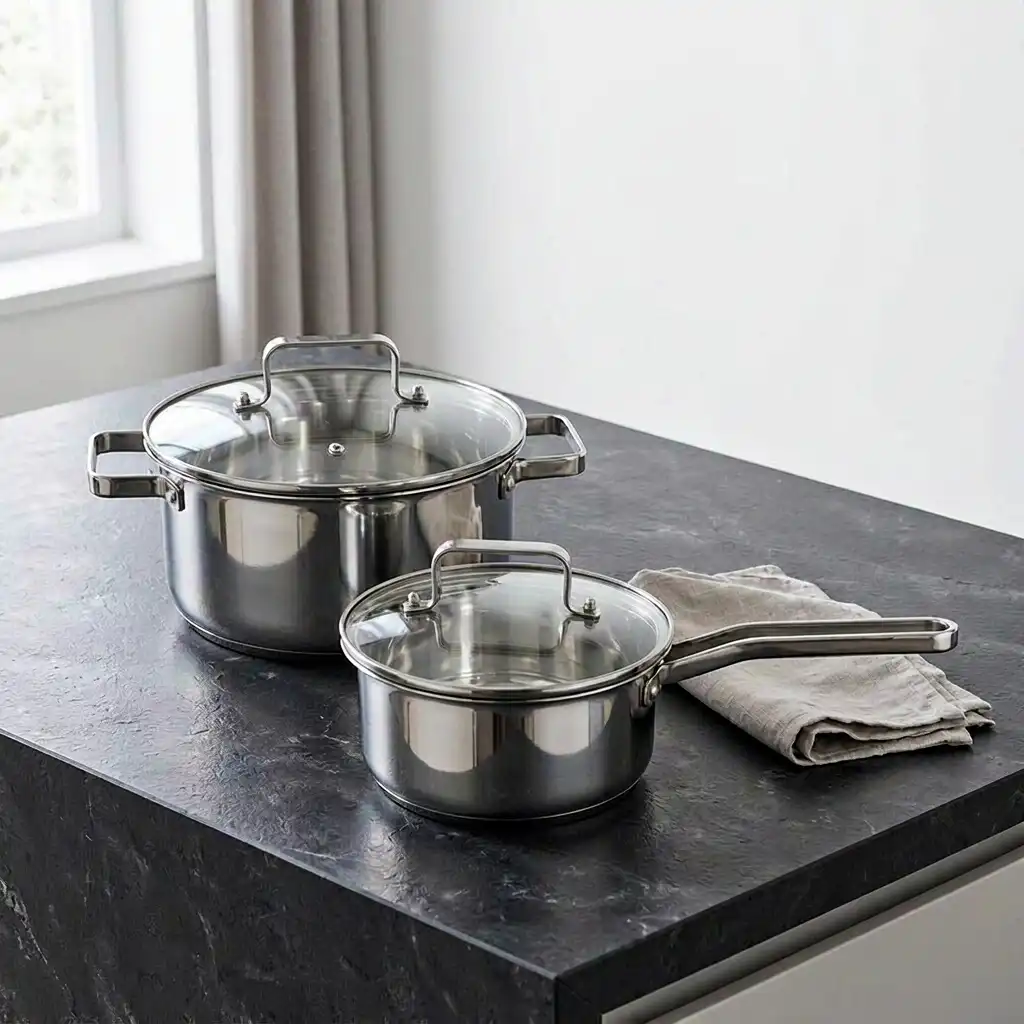
The honeycomb pattern on the surface is a big improvement in the way cookware is made. Because of the shape, the cooking surface is about 15 to 20 percent bigger. This makes it easier for the heat to spread out and stops hot spots that make food cook differently. There are tiny lines in the design that help the oil spread out better on the cooking surface. This means that less fat is needed when making the food. For versions of this design made of iron, precision casting is used. For versions made of stainless steel, mechanical stamping is used. There are different thermal properties that work best for different business uses that come from each method.
Cast Iron Composition and Thermal Properties
Cookware made of honeycomb cast iron is made from gray cast iron that meets ASTM A48 standards and has between 2.1% and 4% carbon in it. This mix has a very high specific heat capacity of about 450 J/kg·K. This means that it can store and release heat steadily for a long time while cooking. It ranges from 0.64 to 0.90, which means that the Maillard reaction happens most easily when the food is grilled. The coatings on these cookware sets are usually made of vegetable oil and are already seasoned. When these coatings get hot, they polymerize, which makes a naturally non-stick surface that gets better with use. The material is thick, so it won't bend even in places where there is constant high heat, like a business. Professional cooks should buy full cookware sets because they last a long time.
Stainless Steel Construction and Heat Distribution
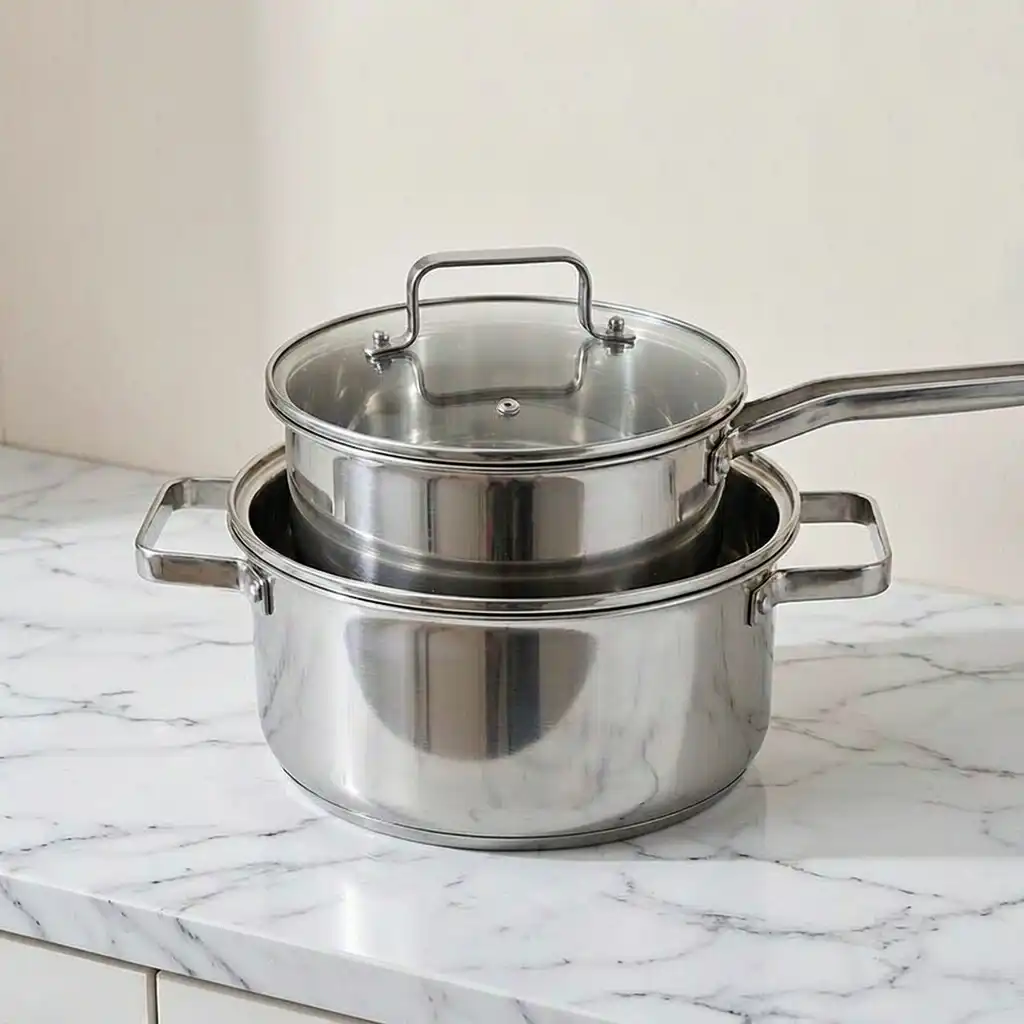
A lot of honeycomb stainless steel cookware sets are made of food-safe 304 or 316 stainless steel. Often, they are made of three layers of steel, with an aluminum or copper core in the middle. The honeycomb pattern is pressed into the cooking surface by machines. This gives it a texture that keeps oil in the pan without changing the material's natural ability to not rust. However, stainless steel doesn't transfer heat as well as cast iron does. However, the multi-layer design quickly and evenly spreads heat across the base to make up for it. The size of these sets doesn't change when the temperature does, and they don't react chemically with acidic ingredients. This is very useful for businesses that need to make a lot of different menu items.
Weight and Handling Considerations for Commercial Use
Cookware sets made of cast iron are extremely heavy. A typical 12-inch skillet weighs between 8 and 10 pounds, but stainless steel pieces of the same size only weigh 3 to 4 pounds. The way work is done in the kitchen is changed by this difference in weight. Cast iron needs to be stored in more stable ways and needs to be handled with two hands. Stainless steel, on the other hand, lets workers move faster when service times are busy. But the weight of the cast iron helps keep the temperature steady, so when cold ingredients are added, the temperature doesn't drop. With stainless steel, it's easier for cooking staff to move pans from the stove to the oven because it's lighter. This helps things run more smoothly during long shifts.
Performance Comparison: Heat Management, Durability, and Maintenance
Heat Retention and Temperature Control
Cast iron is the best material for cooking that needs to keep the temperature fixed because it keeps heat better than other materials. As long as they are hot, cast iron cookware sets will keep the food brown evenly, even if you sear a lot of it at once. It is good for braising and slow cooking because it changes temperature slowly. Stainless steel responds quickly to changes in the stove, so you can precisely set the temperature you need for sautéing and making delicate soups. This lets cooks do things that need to change the heat often and keeps food from getting too done. Buyers can find cookware that fits the needs of the kitchen and the menu better if they know how these things work at different temperatures.
Structural Durability and Longevity
Both materials last a long time if you take good care of them, but they do so in different ways. Sudden changes in temperature can crack surface seasoning, but cast iron can handle both heat shock and contact without breaking. You can use cookware sets for decades and they will still work well because the material doesn't scratch or dent easily. The surface of stainless steel stays strong even if it hasn't been seasoned. It doesn't rust when it comes in contact with acidic foods or harsh cleaning products. Steel that isn't uniformly heated or that goes through a sudden change in temperature is more likely to bend. These risks can be avoided by using high-quality stainless steel cookware sets with thick, reinforced bottoms and the right gage thickness (usually 2.5 to 3 mm). This will also make sure that the sets work reliably during busy business schedules.
Maintenance Requirements and Operational Costs
Cast iron needs to be "seasoned" often to keep its nonstick properties and keep rust from forming. To do this, thin layers of vegetable oil must be put down and heated up to polymerization temperatures. This takes time and effort from staff. If you re-season cast iron, it can fix itself from scratches and last a lot longer, even if it is in this state. For the most part, stainless steel cookware sets don't need much care. You can wash them in the dishwasher or scrub them hard without damaging the shine. This makes maintenance easier, which saves money on workers and makes it easier to clean in places with a lot of people. When you look at lifetime costs, the fact that stainless steel is easier to keep up usually makes up for its higher purchase price. It's especially true in places where staff changes happen quickly or where there isn't much room for growth.
Buying Guide for B2B Procurement Managers: Choosing the Right Honeycomb Cookware
Defining Procurement Criteria for Commercial Applications
Before you go out and buy something, you should be sure of what you need it for. What you need to decide if buying full cookware sets or individual pieces is better for you. Standardized sets are good for businesses that cook a lot of food because they make sure that all of the stations produce the same amount of food. But specialty restaurants might like having choices that are made just for them. We need to think about how much something costs to buy, how much it costs to keep up, and how often we need to get rid of it when we make our budget. Cast iron is a good choice for businesses that want to save money and are ready to put in the time to maintain it because it lasts longer and costs less at first. It costs more up front, but stainless steel saves money over time because it is easier to clean and stay in good shape. Businesses that care more about routine efficiency than capital spending will like it because of this.
Evaluating Supplier Credentials and Quality Assurance
How reliable a supplier is has a direct effect on how well products are made and how long a business can stay open. Managers in charge of buying things should make sure that companies that make things keep their ISO 9001 quality management certification and follow the rules for multiple-stage inspections. Some of these are checking the quality of the materials that come in, keeping an eye on quality while the products are being made, and doing one last quality check before the products are sent out. You should ask for a full quality control report, as well as test results for putting glue on cast iron and proof of dimensional stability for stainless steel. As proof that they follow the rules, suppliers should show FDA, LFGB, and any other approvals that the market needs. During an audit, the technical staff's skills, the size of the plant, and the amount of automation in the production line are all looked at. To keep your business going smoothly and protect your brand's image, follow these steps. They make sure that the quality of the samples you test doesn't change when you send them in bulk.
Warranty Terms and After-Sales Support
It's safer to buy expensive dishes if you get a guarantee that covers everything. Most commercial cookware sets come with warranties that last between three and ten years. These warranties cover flaws in the way the product was made, like handles that are missing or warped and coatings that don't stick. This will help people understand what "proper use" means, why "normal wear and tear" isn't covered, and how to make a claim. After the sale, there should be quick expert help for questions about maintenance, quick access to new parts, and a number of return policies for broken units. When you need to reorder, choose products, or fix operational problems, suppliers who offer specialized account management are very helpful. These aspects of service set luxury providers apart from transactional ones. They also help businesses build long-term relationships that can adapt to their needs.
Bulk Purchasing Benefits and Cost Optimization
There are big savings to be had when you buy in bulk that go beyond just dropping the price per unit. Talk about pricing systems with different levels that reward orders that are bigger. Most of the time, discounts of 15% to 25% are given for buying in bulk above a certain amount. Deals for long-term supplies lock in good prices and make sure that goods will be available when business is brisk. When you buy cookware and other related items from the same seller, you save money on shipping, make it easier to coordinate, and have more power in negotiations. Ask for clear price breaks that show how much the materials cost, how much it costs to make, and how the margins work. This will give you a good idea of how to compare prices from different sellers. When you have a strategic procurement partnership, you don't just buy cookware once. Instead, you build a relationship with the company that helps them improve quality and lower costs.
Kingwe-star: Your Partner for Professional Cookware Solutions
With skills in both making things and customer service that focus on what customers want, Kingwe-star has become a reliable company that sells cookware sets. The business has been around since 2009 and has a 10,000-square-meter building where they can plan, do research and development, and make things. There are 40 engineers and 30 professional designers on the technical team. They work together to make solutions for the market that are backed by more than 30 technical patents. The company can give many products, such as cast iron, stainless steel, and eco-friendly cookware sets that can be used in different settings, because they are able to come up with new ideas. You can work with both OEM and ODM partners if you know how to make things. This means you can change your brand, add your logo, and make packaging solutions that fit your market positioning.
Conclusion
It's important to think about how the different qualities of cast iron and stainless steel will affect the way the food is cooked when choosing between them. Once it has been used for a while, cast iron doesn't stick and keeps heat better than any other material. For frying large amounts of food or cooking slowly, it's great. It doesn't rust, reacts quickly to heat, and doesn't need much maintenance. It's great for kitchens that need to keep temperatures steady and be easy to clean. Both materials can be used to make professional-grade cookware sets that meet the food safety standards needed for business purchases. It's important to think about how much the new system will cost in the long run, how easy it is to maintain, and how well it will work with the kitchen's current systems. This helps with both real productivity and great cooking.
FAQ
Which cookware type suits high-volume commercial kitchens best?
For companies that do a lot of cooking and like to sear, fry, and cook with high heat for a long time, honeycomb cast iron cookware sets are the best choice. The material's thermal mass keeps temperatures stable even when it is being used all the time. This means that it doesn't take as long to recover between batches. Stainless steel works well in places that need quick service cycles, a range of preparation methods, and cleaning that works well. The reason for this is that the staff's speed makes up for the higher costs of buying.
Is honeycomb cast iron compatible with induction cooktops?
Beecomb cast iron can handle all kinds of induction because it is made up of ferrous magnetic particles. The very accurate measurements used to make the flat base make sure that the induction elements can touch the whole surface. This makes the energy transfer more effective. The people in charge of buying things should check that the base flatness specs say there is less than 0.5 mm of variation across the working area. So the stove won't rock back and forth, which damages the surface and makes cooking less effective.
What maintenance practices extend honeycomb stainless steel cookware lifespan?
Stainless steel cookware sets don't need a lot of extra care, but if you do the right things to take care of them, they will last longer. Do not add the ingredients to cold pots right away; instead, slowly heat the pans and add them to hot ones. Use the right amount of heat. Because stainless steel is a good conductor, lower settings are needed than for cast iron. Right away, clean with soaps that don't scratch and make sure the surface is completely dry so that there are no water spots when the plates are served.
Partner with Kingwe-star for Premium Cookware Sets
Your business kitchen will look better with custom-made honeycomb dishes made to your exact specifications. When Kingwe-star makes high-quality products and helps customers quickly, they can sell full cookware sets. Whether you pick something from our large catalog or have a design made just for you, our engineering team is happy to talk to you about how to make your useful needs into the best product specifications. Send an email to luna@bllgift.com to talk about bulk pricing, shipping times, and the papers needed for approval. We are an experienced company that makes cookware sets for customers all over the world. To make sure that your purchase lasts and works well, we offer flexible buying, full compliance support, and a quality guaranty backed by a warranty.
References
- American Society for Testing and Materials. "ASTM A48: Standard Specification for Gray Iron Castings." Materials Standards for Cookware Manufacturing, 2021.
- European Food Safety Authority. "Regulation 1935/2004: Framework on Materials and Articles Intended to Come into Contact with Food." EU Compliance Guidelines, 2020.
- Professional Culinary Institute. "Thermal Properties and Performance Analysis of Commercial Cookware Materials." Journal of Culinary Science & Technology, Volume 18, 2022.
- International Organization for Standardization. "ISO 9001: Quality Management Systems Requirements for Manufacturing Operations." Global Quality Standards, 2023.
- National Restaurant Association. "Equipment Procurement Best Practices for Commercial Foodservice Operations." Industry Procurement Guide, 2022.
- Food and Drug Administration. "21 CFR 177.2600: Food Contact Materials Safety Standards for Silicone and Metal Cookware." FDA Regulatory Framework, 2021.
_1779947320754.jpg)
_1779701690895.png)
_1779703014142.png)
_1779947370800.jpg)
_1779947269970.jpg)
_1779179662775.png)
(1)_1785312457199.png)