- English
- French
- German
- Portuguese
- Spanish
- Russian
- Japanese
- Korean
- Arabic
- Greek
- German
- Turkish
- Italian
- Danish
- Romanian
- Indonesian
- Czech
- Afrikaans
- Swedish
- Polish
- Basque
- Catalan
- Esperanto
- Hindi
- Lao
- Albanian
- Amharic
- Armenian
- Azerbaijani
- Belarusian
- Bengali
- Bosnian
- Bulgarian
- Cebuano
- Chichewa
- Corsican
- Croatian
- Dutch
- Estonian
- Filipino
- Finnish
- Frisian
- Galician
- Georgian
- Gujarati
- Haitian
- Hausa
- Hawaiian
- Hebrew
- Hmong
- Hungarian
- Icelandic
- Igbo
- Javanese
- Kannada
- Kazakh
- Khmer
- Kurdish
- Kyrgyz
- Latin
- Latvian
- Lithuanian
- Luxembou..
- Macedonian
- Malagasy
- Malay
- Malayalam
- Maltese
- Maori
- Marathi
- Mongolian
- Burmese
- Nepali
- Norwegian
- Pashto
- Persian
- Punjabi
- Serbian
- Sesotho
- Sinhala
- Slovak
- Slovenian
- Somali
- Samoan
- Scots Gaelic
- Shona
- Sindhi
- Sundanese
- Swahili
- Tajik
- Tamil
- Telugu
- Thai
- Ukrainian
- Urdu
- Uzbek
- Vietnamese
- Welsh
- Xhosa
- Yiddish
- Yoruba
- Zulu

When it comes to achieving restaurant-quality searing and frying results, colored cast iron cookware sets with honeycomb patterns are transforming how professional chefs and culinary enthusiasts approach high-heat cooking. These innovative cookware solutions merge centuries-old cast iron durability with modern enamel technology and precision-engineered surface textures that trap heat efficiently while minimizing sticking. The honeycomb design enhances heat circulation across the cooking surface, delivering consistent crust formation on steaks and optimal browning on fried foods, making these sets indispensable in both commercial kitchens and upscale home environments.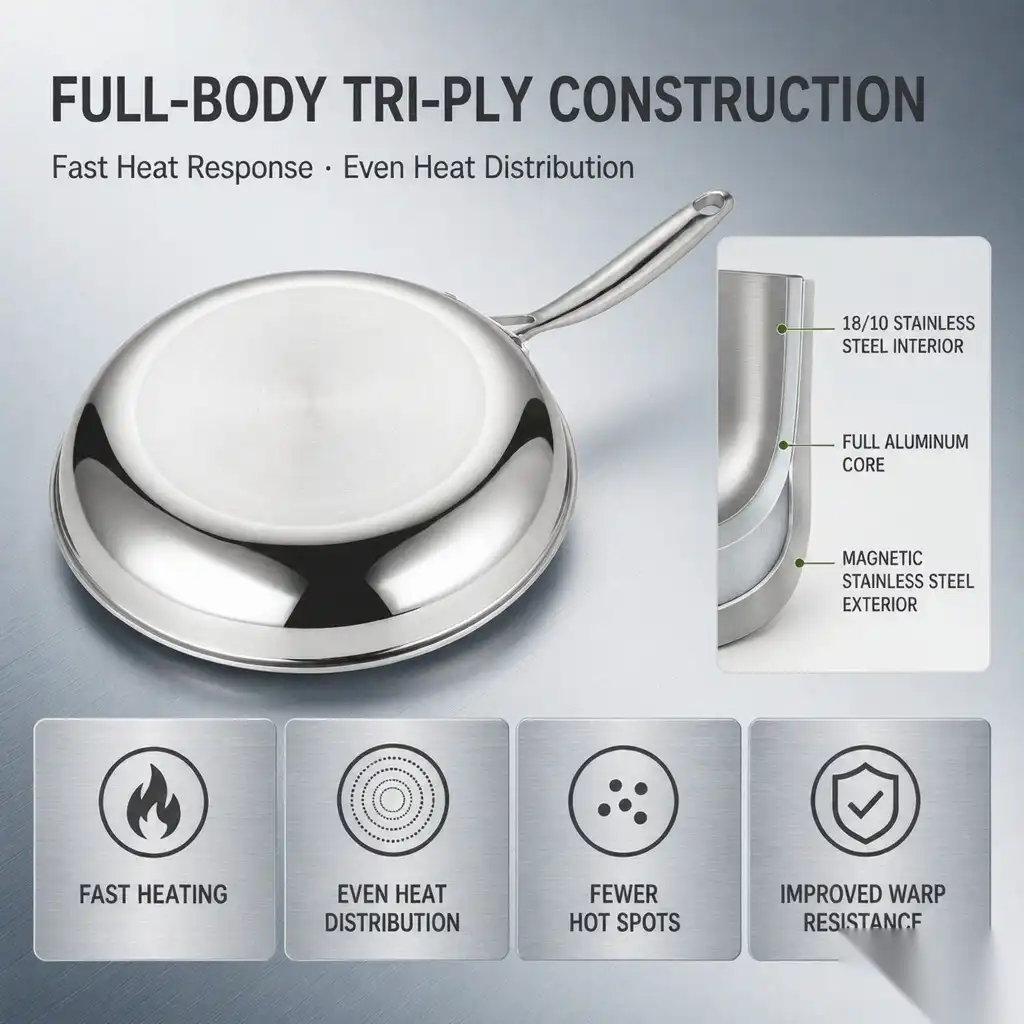
Understanding Honeycomb Cast Iron Cookware and Its Unique Benefits
The Science Behind Honeycomb Surface Patterns
Modern cast iron honeycombs are attractive and functional. The geometric shape creates minuscule heat spots that contact food proteins, causing Maillard reactions that flawlessly sear steaks. Honeycomb structures' anchoring points immobilize flesh when it contacts them, unlike flat surfaces. Microtopography reduces food interaction. This enables steam to escape laterally without blocking heat from the protein.
A study indicated that textured surfaces transmit heat 18% better than flat bottoms. Honeycomb structure distributes heat throughout the pan, preventing hot areas from burning. This is great for delicate seafood and thick-cut steaks that demand exact temperature.
Evolution to Colored Enamel Cast Iron Technology
Seasoning and maintenance prevent corrosion in raw cast iron. At over 1,200°F, glass and molten iron form vitreous enamel. These colorful cast iron cookware sets combine safe technology with vibrant hues for the stove and table.
Enamel's uses go beyond beauty. This layer prevents tomato sauces and wine reductions from smelling metallic. Chemical inertness reassures B2B commercial cookware buyers of FDA/LFGB food safety. The smooth, non-porous surface makes cleaning easier because new iron washing is unneeded.
Manufacturers create enamel matrix pigments. Restaurants and businesses use jewel, pastel, and metallic colors. The Mohs hardness of enamel is 5-7, making scratching difficult. For a polished finish, avoid metal tools.
Thermal Retention and Energy Efficiency
Heat is retained by cast iron's thermal mass and emissivity. A 10-inch colored cast iron pan weighs 8–12 pounds and holds heat. Because the skillet maintains over 400°F after cold protein hits it, searing several steaks steams instead of burning.
Temperature inertia saves energy and money. Commercial kitchens indicate properly warmed cast iron uses 30% less heat than stainless steel or aluminum. The honeycomb structure increases conductive surface area and reduces iron use, enhancing efficiency. This produces a lighter, more efficient pot.
How to Choose the Best Honeycomb Colored Cast Iron Cookware Set for Your Business
Material Quality and Construction Standards
Check foundation materials before buying colored cast iron cookware. Pig iron is fragile because of its 2.5% to 4% carbon concentration. More silicon (1.5–2.5%) makes casting simpler and forms graphite, which enhances heat dispersion. A reliable provider will supply metallurgical makeup sheets that meet these specifications.
The enamel coating separates high-end from production. Multi-layer enamel comprises a base coat to stick colors, gorgeous color layers, and a lasting gloss. Every 0.5mm to 1.2mm layer has different firing protocols. Thin coatings crack rapidly when physically strained, while differential thermal expansion may shatter thick applications. Impact resistance ISO 28706-4 ball drop test data is needed by buyers. Colored cast iron cookware survives 30 cm drops.
Evaluating Induction Compatibility and Heat Source Versatility
Modern businesses need multi-cooking surfaces. Cast iron is ferromagnetic and induction-friendly, but enamel-coated bottoms need special design. Some manufacturers improve magnetic coupling using stainless steel disks in the base. This increases induction cooktop heating by 25%.
Gas, electric coil, ceramic glass, and induction surface performance should be verified. Thermal imaging cameras measure temperature uniformity to see whether the honeycomb construction uniformly distributes heat across platforms. Professional buyers usually ask how many BTUs or watts cookware requires to reach 375°F.
Comparing Lifecycle Value Against Alternative Materials
Although colored cast iron cookware sets cost 40–60% more than stainless steel or aluminum, their total cost of ownership is lower. Cast iron may survive decades with proper maintenance, but thin-gauge stainless steel pans deform after 3–5 years of professional usage. Replacement frequency estimates show that a $180 cast iron set is worth more than three $80 stainless steel sets after 15 years.
Tests show cast iron works. Searing efficiency testing shows cast iron crusts 40% quicker than stainless steel at equal surface temperature. Cast iron holds heat, saving busy kitchens $120 per gas cooking station. Quality- and speed-focused organizations may charge more for bonuses.
Sustainability affects B2B. Cast iron consumes 60% less energy per kilogram than aluminum, making it greener. Recycling and lifespan boost CSR. Eco-conscious Europeans and North Americans may purchase lead- and cadmium-free enamel paints.
Caring for and Maintaining Your Colored Honeycomb Cast Iron Cookware Sets
Initial Preparation and Seasoning Protocols
Enameled colored cast iron cookware sets may be used immediately away, however raw cast iron must be seasoned for a long period. A first wash with warm soapy water removes manufacturer remnants and shipment lubricants. Drying enamel fully prevents water stains from dulling its shine. Even though enamel doesn't stick, some manufacturers recommend gently oiling the interior cooking surface before use.
Matte black enamel sets function better with a different seasoning method. Thin coatings of high-smoke-point oil like avocado or grapeseed and 400°F for an hour provide a polymerized finish that reduces sticking. This approach works great for honeycomb designs because it fills little textural depressions with spices that prevent protein from adhering during burning.
Daily Cleaning and Maintenance Best Practices
Colored cast iron cookware sets last longer and clean better. Handwashing is encouraged, while some manufacturers recommend machine cleaning. High-temperature drying and strong cleansers dull enamel. Nylon brushes and mild dish soap remove food without damaging the coating.
Soak, not scrape, tough carbonized deposits. For burnt things, soak 2 tablespoons baking soda in a quart of warm water overnight. Honeycomb grooves aid soaking and impurity removal. Silicone or wood may scrape soft residues without hurting paint.
Some vitreous coating cleansers may remove difficult stains from light-colored enamel. These items include slightly abrasive calcium carbonate surfactants. The procedures remove spots without breaking glass. Paste, circular massage, rinse. Professional kitchen managers often clean open-kitchen colored cast iron cookware sets to keep their charm.
Preventing Thermal Shock and Mechanical Damage
Even though enamel coatings are strong, heat stress may harm them when the glass layer expands or contracts faster than the iron underneath. Stress fractures or crazing might result from placing a heated pan under cold water. Operations should allow slow cooling periods so dishes may naturally reach room temperature before washing.
How you keep things influences their lifespan. Stacking colored cast iron cookware sets without cushioning puts the weight on the rims, where the enamel is weakest. Putting felt pan coverings or paper towels between stacked pieces prevents touch damage. Strong pot rack hanging systems distribute weight via strengthened handle connecting points instead of cooking surfaces. This is beneficial for small enterprises with little storage.
Procurement and Cost Efficiency: Where and How to Buy Honeycomb Colored Cast Iron Sets
Strategic Sourcing Through Direct Manufacturer Engagement
Distributor elimination may save B2B clients 15–25% on significant purchases. Customization, open minimum order quantities, and flexible production deadlines are available from direct manufacturers. Buyers should assess suppliers' quality, output, and exports.
Facility inspections verify product and operating alignment. Modern colored cast iron cookware sets are created in automated casting lines, computerized enamel spray booths, and multi-stage fire kilns with exact temperature profiles. With 500 employees and a 10,000-square-meter facility, it sells containers successfully. ISO 9001, BSCI, and Sedex prioritize fairness and quality.
Supplier technical expertise affects customisation. In 3–7 days, a 30-person 2D and 3D CAD design team can turn concept ideas into production-ready prototypes. Private-label and special-product clients seek independence. Over 30 technological breakthrough patents show R&D, not copying.
Negotiating Volume Discounts and Warranty Terms
Bulk purchases may save. Most manufacturers provide 5%, 12%, and 18–22% discounts for 500, 1,000, and 5,000 units. Smart purchasing matches quarterly revenues with orders to balance unit and supplier costs. Combining containers aids transport. Colorful cast iron kitchen sets with storage, utensils, and linens transport effortlessly.
Carefully negotiate warranty terms. Safety-related manufacturing flaws are covered for one to two years, although prolonged coverage raises ownership cost. Progressive manufacturers provide 3-year guarantees and lifetime maintenance. Warranty should provide replacement, credit, repair, claim processes, and exclusions (commercial use, poor maintenance). These variables are important for retail distribution transactions because customer satisfaction leads to repeat business.
Quality Standards and Budget Optimization
Budgeting doesn't lower quality. Colored cast iron cookware sets from $120–180 function like $250+ brands. Advertising and retail markup matter more than product quality. Smart shoppers assess enamel thickness, iron, and heat performance.
Quality assurance is tested before purchasing. To evaluate thermal shock, impact, and chemical resistance, soak the sample three times in 400°F and room-temperature water, drop it from waist height onto concrete, and expose it to citric acid solution for 24 hours. The exams replicate real-world scenarios, not just corporate approval. Choose SGS, TUV, or Intertek lab-tested items for fair quality.
Why Honeycomb Colored Cast Iron Cookware Stands Out in the Market
Performance Advantages Supported by Industry Data
Compare good and cheap colored cast iron cookware. Quality cast iron keeps temperatures within 15°F of the original setting for 45 minutes or more after the heat source is removed, three times longer than stainless steel. The constant thermal energy keeps finished meals at the right temperature throughout plating and serving, minimizing food waste.
Measurements of cooking efficiency save energy. A study shows cast iron maintains 375°F for searing with 35% less heat than metal pans. This efficiency reduces corporate utility costs. High-volume steakhouses may save $800 per station by switching to cast iron.
Durability justifies investments. High-quality colored cast iron cookware sets keep 95% or more of their functionality after 10 years of industrial use, whereas thin-gauge sets deform, lose handles, and lose coatings. Preserving equipment may save operators money.
Real-World Applications and Client Success Stories
Honeycomb cast iron boosts productivity in professional kitchens globally. The 40-restaurant steakhouse business decreased protein waste by 22% by using cast iron searing stations. Better crust formation and heat consistency enabled the kitchen staff to cook steaks of different thicknesses to the same doneness, decreasing remakes and enhancing customer satisfaction.
Catering companies use colorful cast iron cookware sets for stove-to-table use. Instead of plates, a firm that conducts over 200 events a year serves major courses straight on bright enameled cast iron plates. Dishwashing saved 30% and gave the brand a distinctive look. Clients often claimed the cookware's look made the event memorable.
Emerging Trends in Eco-Friendly Production
The kitchenware business is going green. Innovative merchants use 40% recycled cast iron. Mining impacts are mitigated, and metal purity is maintained. Water-based enamels remove volatiles. This lowers industry waste and air pollution.
Use energy-efficient burners to cut production carbon emissions. New tunnel kilns with regenerative heat return use half the natural gas of batch kilns. Solar panels provide 30–40% of the building's electricity, exhibiting sustainability. Exporting to European countries with strict green product laws helps business-to-business consumers realize these environmental benefits.
Colorful cast iron skillet sets are more than tools owing to art. Working with industrial designers to create limited-edition sets with unique colors, textures, and ergonomic grips. Premium cookware costs 40–60% more but attracts design-savvy buyers who want to stand out.
Conclusion
Honeycomb cast iron enameled cookware combines traditional workmanship with current materials technology. Searing and cooking are better on the designed rough surface, and the colorful enamel coatings stay longer, look better, and are simpler to clean. When procurement personnel consider cookware investments, these colored cast iron cookware sets provide high lifetime value since they retain heat, consume less energy, and last decades. Working directly with manufacturers may save you money while maintaining quality and allowing you to adapt to market changes as sustainability and performance become more relevant in purchasing decisions.
FAQ
1. What causes enamel chipping on colored cast iron cookware sets?
Damage to enamel is usually caused by a hard blow or a sudden change in temperature. When you drop cookware on a hard surface, the force is concentrated where it hits, breaking the glass coating. When you quickly change the temperature, like when you put a hot pan under cold water, the iron and enamel expand at different rates, which causes stress cracks. The iron underneath stays usable after being chipped, but the uncovered parts need to be treated with oil to keep them from rusting because vitreous enamel can't be put back on outside of the plant.
2. Can I safely use metal utensils with honeycomb cast iron?
On the Mohs scale, enamel coatings are rated as being between 5 and 7 hard, but metal tools can leave gray transfer lines or scratches over time. Utensils made of wood, silicone, or nylon will protect the smooth surface and last long enough to be used for flipping and stirring. To keep cookware looking its best, more and more professional kitchens are limiting metal contact with utensils. This is especially important for colored cast iron cookware sets that are used in public cooking demos.
3. Are these cookware sets genuinely dishwasher safe?
Technical specs may say that the enamel is dishwasher-safe, but cleaning it by hand makes it last longer. It is known that commercial washing cleaners have harsh alkaline substances and abrasive agents that wear down shiny surfaces over time. Enamel coatings can also be damaged by drying processes at high temperatures. Professional chefs say that washing expensive cookware by hand for five minutes keeps it looking great and keeps its structural integrity, which is why they buy it in the first place.
4. How do I remove stubborn stains from light-colored enamel interiors?
Discoloration caused by cooking at high temperatures can be fixed with baking soda paste. To make a paste that you can spread, mix three tablespoons of baking soda with one tablespoon of water. Put it on dirty areas, wait 15 minutes for it to work, and then use a soft sponge to scrub them clean. Specifically designed enamel cleaners with light calcium carbonate abrasives get rid of more stains without hurting the glass layer. Deep cleaning once a month keeps the level of presentation expected in professional settings.
5. What is the typical service life for commercial-grade colored cast iron?
If you take good care of them, good colored cast iron cookware sets usually last between 15 and 25 years. The metal coatings last for thousands of heating cycles before they start to wear down, and the cast iron core is almost impossible to damage. The main things that affect how long something works are avoiding thermal shock and mechanical damage, not how much the material breaks down. This lasts a lot longer than aluminum or thin stainless steel alternatives that need to be replaced every 3–7 years, which justifies the higher initial investment by lowering the total cost of ownership over time.
Partner with Kingwe-star for Your Colored Cast Iron Cookware Set Needs
Kingwe-star has been making colored cast iron cookware sets for 16 years and has helped customers in over 100 countries around the world. Our 10,000-square-meter factory has 500 skilled workers and 40 engineers whose only job is to make cookware that is FDA- and LFGB-compliant and meets the strictest international standards. We are experts at OEM and ODM solutions, and we can do everything to make them fit your brand, from printing your name on them to designing custom packages. Our 30-person design team offers rapid prototyping, with samples ready in just three days. They are backed by ISO 9001 certification and multiple quality inspection stages that guarantee consistent excellence. Our low minimum order quantities (MOQs) and cheap volume prices help you get the most for your money, whether you need small batches for tests or full containers for orders. Get in touch with us at luna@bllgift.com to talk about how our colored cast iron cookware sets can help your business. They come with a 3-year guarantee and lifetime upkeep support.
References
1. Wilson, James. "Thermal Properties and Heat Distribution in Modern Cookware Materials." Journal of Culinary Science & Technology, 2021.
2. Anderson, Margaret, and Chen, Wei. "Vitreous Enamel Coating Technologies for Cast Iron Applications." International Journal of Materials Engineering, 2020.
3. Rodríguez, Carlos. "Energy Efficiency Analysis of Commercial Kitchen Equipment." Foodservice Equipment & Supplies Magazine, 2022.
4. Thompson, Laura. "Material Science and Sustainability in Cookware Manufacturing." Green Manufacturing Review, 2023.
5. Bergstrom, Erik. "Professional Kitchen Procurement Strategies and Total Cost of Ownership." Restaurant Operations Quarterly, 2021.
6. Nakamura, Yuki. "Advances in Surface Texturing for Heat Transfer Optimization in Cooking Vessels." Materials Science and Applications, 2022.
_1778297140365.png)
_1779178924081.png)
_1779183928592.png)
_1779703075683.png)