- English
- French
- German
- Portuguese
- Spanish
- Russian
- Japanese
- Korean
- Arabic
- Greek
- German
- Turkish
- Italian
- Danish
- Romanian
- Indonesian
- Czech
- Afrikaans
- Swedish
- Polish
- Basque
- Catalan
- Esperanto
- Hindi
- Lao
- Albanian
- Amharic
- Armenian
- Azerbaijani
- Belarusian
- Bengali
- Bosnian
- Bulgarian
- Cebuano
- Chichewa
- Corsican
- Croatian
- Dutch
- Estonian
- Filipino
- Finnish
- Frisian
- Galician
- Georgian
- Gujarati
- Haitian
- Hausa
- Hawaiian
- Hebrew
- Hmong
- Hungarian
- Icelandic
- Igbo
- Javanese
- Kannada
- Kazakh
- Khmer
- Kurdish
- Kyrgyz
- Latin
- Latvian
- Lithuanian
- Luxembou..
- Macedonian
- Malagasy
- Malay
- Malayalam
- Maltese
- Maori
- Marathi
- Mongolian
- Burmese
- Nepali
- Norwegian
- Pashto
- Persian
- Punjabi
- Serbian
- Sesotho
- Sinhala
- Slovak
- Slovenian
- Somali
- Samoan
- Scots Gaelic
- Shona
- Sindhi
- Sundanese
- Swahili
- Tajik
- Tamil
- Telugu
- Thai
- Ukrainian
- Urdu
- Uzbek
- Vietnamese
- Welsh
- Xhosa
- Yiddish
- Yoruba
- Zulu

If you're asking whether to use a short-hair or long-hair shedding tool, the answer depends entirely on your dog's coat type. Dog grooming shedding tools are not one-size-fits-all. A fine-tooth deshedding brush works well on short, dense coats like those of Beagles or Boxers, while a wider-spaced undercoat rake suits long-haired breeds like Golden Retrievers or Huskies. Choosing the wrong tool wastes time, risks coat damage, and frustrates both groomer and dog. Matching the tool to the coat is the first rule of professional grooming.
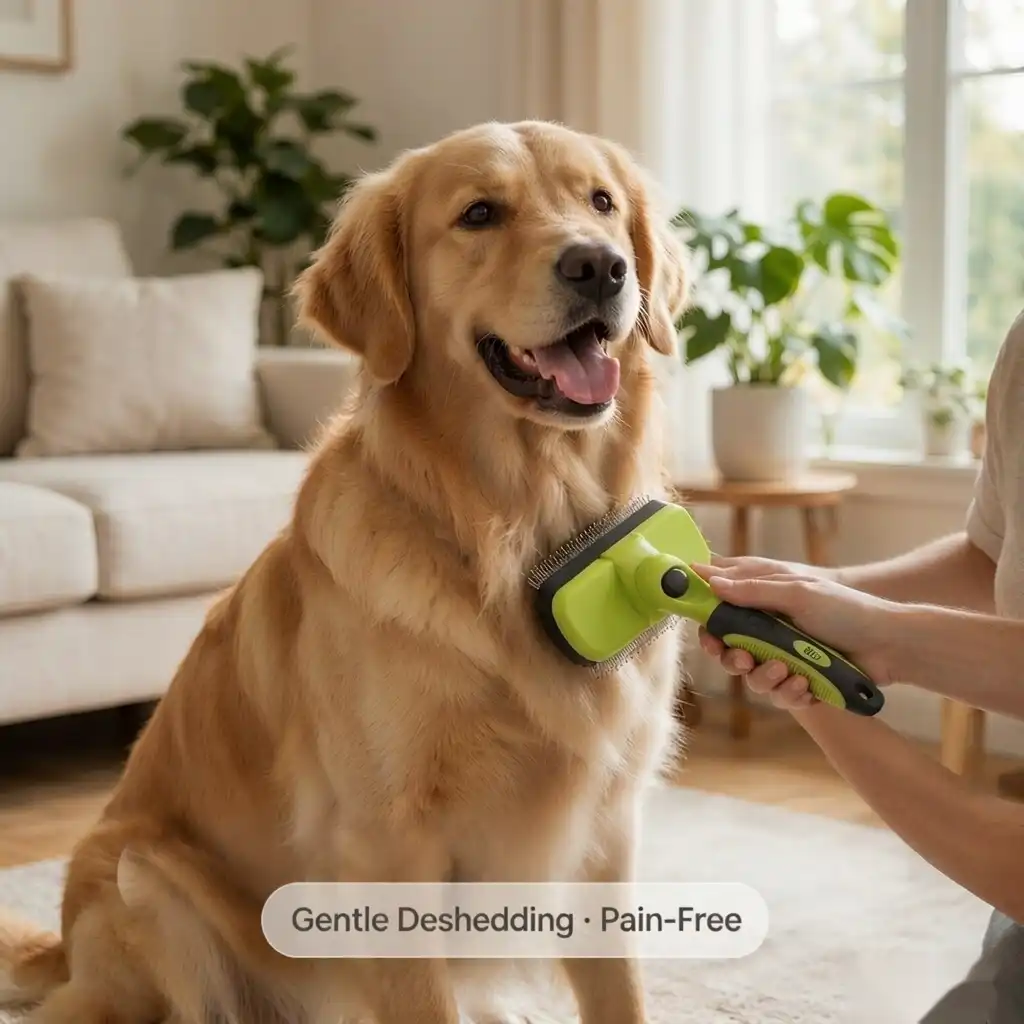

Dog Hair Types and Shedding Patterns
Short-Haired Coats
Labrador Retrievers, Dalmatians, and other short-haired dogs shed all year long. Their undercoats shed fine hairs into the air, which gets stuck in furniture and makes people with allergies sick. The American Kennel Club says that single-coated short-haired breeds still shed a lot because their hair grows in cycles that never end. This means that they need to be deshed regularly just like longer-coated dogs.
Long-Haired and Double-Coated Breeds
Long-haired dog types like Border Collies and Siberian Huskies have a tough outer coat and a soft inner coat. They go through a "coat blowout" phase twice a year, when their undercoat falls off very quickly. If you don't use the right tools for grooming, dead hair can rub against your skin, making it less breathable and increasing the chance of getting hot spots and skin infections.
Why Coat Type Drives Tool Selection
If the dog grooming shedding tools, and coat don't match, either the surface is only groomed or guard hair is removed by mistake. To choose the best pet hair removal brush, deshedding comb, or fur rake for your line, you need to know about the breed's shedding cycle, coat density, and skin sensitivity.
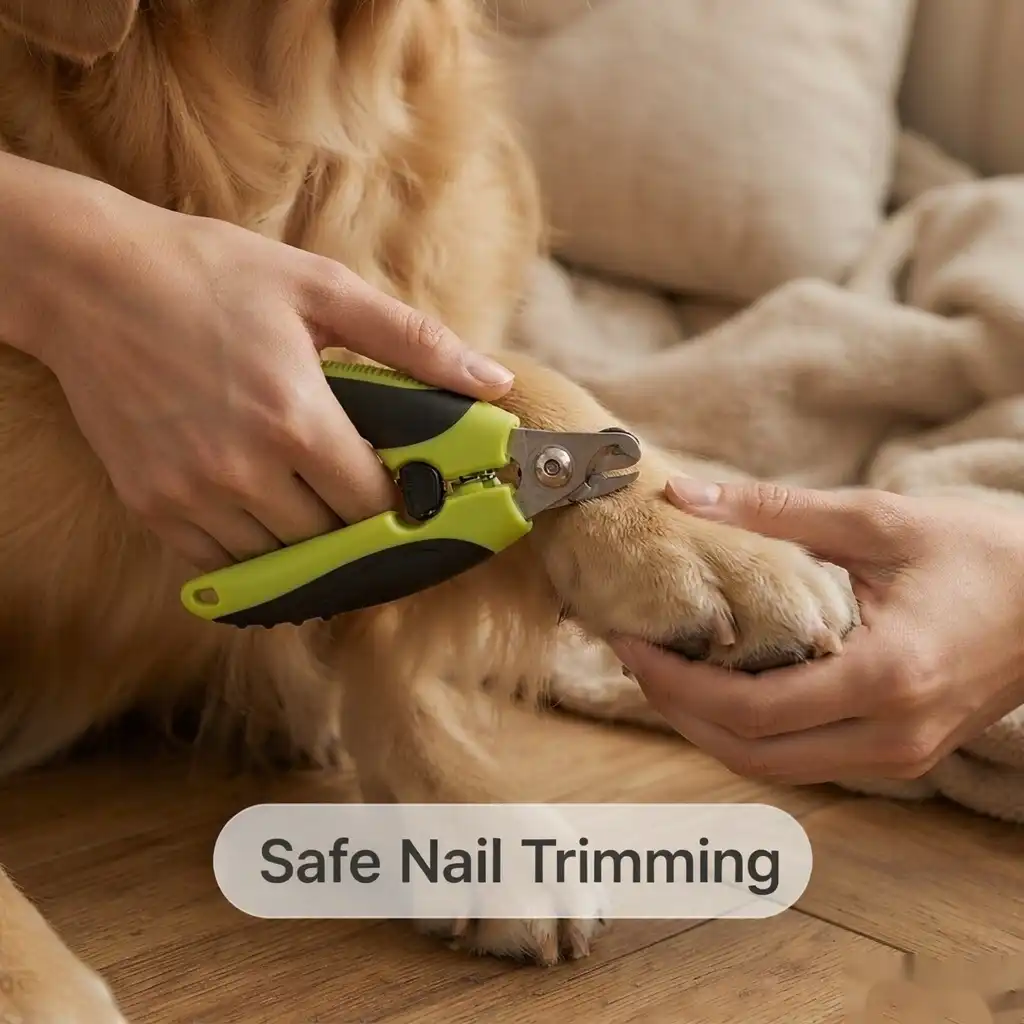
Key Differences Between Short-Hair and Long-Hair Shedding Tools
Blade and Tooth Geometry
Short-haired dogs usually have brushing tools with fine teeth that are closely spread and have a higher TPI (Teeth Per Inch). This shape goes after the short, dense undercoat without pulling on the guard hairs. The longer blade depth and wider tooth spacing of long-hair tools make it possible to reach under a thick finish and neatly remove dead undercoat.
Handle Ergonomics and Material Build
Thermoplastic Rubber (TPR) handles on both types of tools keep your wrists from getting tired after long brushing sessions. Each design has a different handle weight and balance point. Long-hair tools tend to be a little heavier so that they can get the force they need for thick coats, while short-hair models stay light so that they can be used quickly and over and over again.
Eco-Friendly Materials Matter
The dog grooming shedding tools in this guide are made with eco-friendly standards and have blades made of stainless steel and frames made of long-lasting plastic. High-grade 420 stainless steel keeps its edge and passes 48–72-hour salt spray tests to show it won't rust. This is an important quality standard for grooming salons where tools are used every day and are exposed to water.
How to Choose the Right Shedding Tool for Your Client's Needs?
Apply the F-1 Criteria Screening Approach
When buying deshedding brushes or undercoat rakes for business clients, you should look at these four things in the right order: (does it get rid of dead hair with fewer strokes?), (does the rounded edge technology keep you from getting brush burn?), (does it meet HRC hardness standards?), and (does the unit price protect the retail margin?). Every purchase decision is based on how these compare to the client's mix of dog breeds.
Match Tool Type to Client Profile
Grooming shops that do a lot of work need tools that can be used over and over again by professionals. A cat business that wants to sell on Amazon or Chewy needs deshedding tools that are easy to package, look good in photos, and can be shipped safely. If an OEM client is making a private label grooming line, being able to change the color of the handle, the logo on it, and the design of the box adds real brand value without making the unit cost go up by a lot.
Manual vs. Specialized Tools
For simplicity and low cost, manual dog grooming shedding tools are still the norm. They don't need to be plugged in, so they're easy to store and ship around the world. Specialized tools, like ones that clean themselves and have teeth that retract, cost more and fit the expensive brand image. If you only need a few brushes for a test order, manual stainless steel brushes are the safest way to get started.
Benefits and Usage Guidelines
Grooming Frequency by Coat Type
Short-haired dogs do better with deshedding sessions once a week in the spring and fall and every other week during the rest of the year. Long-haired and double-coated breeds need to be groomed every three to five days during blowout phases to keep the undercoat from getting matted. A study released in Veterinary Dermatology in 2022 proved that regular deshedding cuts the amount of airborne dander in homes by up to 60%. This directly supports the allergy-related marketing claims that many pet brands make.
Usage Technique for Best Results
Always style your hair when it's dry. When hair is wet, it is structurally weaker, and grooming while the coat is wet makes it more likely to get snagged and captures less loose undercoat per stroke. Light to moderate pressure should be used along long, wide strokes that go in the direction of hair growth. For animals that shed a lot, working in parts from the neck to the tail gives you better covering.
Sensitive Skin Considerations
If your dog's skin is sensitive or thin, choose deshedding tools with rounded edges. These models keep the metal blade from touching the skin directly, which lowers the risk of getting brush burn. Breeds of dogs that are prone to skin complaints, like Shar-Peis and Bulldogs, need this feature the most.
These rules about how to use the product have a direct effect on customer satisfaction, return rates, and repeat purchases, all of which are important for brands that buy a lot of grooming products.
Leading Brands and Product Recommendations for Bulk Procurement
When procurement managers look at these names side by side, the main choice they have to make is between brand recognition and profit. When brands buy OEM dog grooming shedding tools directly from a maker, they have full control over the specs, packing, and prices. This is a big plus for direct-to-consumer brands like Amazon and Chewy that want to set their products apart.
FAQ
How does a deshedding tool differ from a standard slicker brush?
A deshedding tool goes through the topcoat to get rid of free undercoat, and a slicker brush gets rid of tangles and dirt on the surface. For dogs that shed a lot, a deshedding tool gets a lot more done in each cleaning session.
How often should professional-grade blades be replaced?
In a professional salon setting, high-carbon stainless steel blades usually keep working at their best for 12 to 18 months as long as they are cleaned and oiled regularly.
Are these tools safe for sensitive-skin dogs?
Yes. Models made with rounded edge technology keep your skin from touching sharp metal. Before buying a lot of something, you should always make sure it meets the REACH guidelines for non-toxic materials.
Can the same tool work on both short and long coats?
Some brushes that can be used for both deshedding and other tasks say they are versatile, but breed-specific tools always work better than them. For B2B catalogs, having different SKUs for short-hair and long-hair cuts down on customer returns and boosts happiness.
Is eco-friendly manufacturing relevant for grooming tools?
More and more, yes. Online stores like Chewy and Amazon say that customers are increasingly looking for eco-friendly pet products. The use of recycled plastic and stainless steel in the building meets that need while keeping the product's sturdiness.
Partner with Kingwe-star for Custom Dog Grooming Shedding Tools
Kingwe-star has been selling grooming goods for pets around the world for more than 16 years. They do business out of a 10,000-naira plant that is ISO 9001 certified and uses materials that are compliant with REACH. As a reputable company that makes dog grooming shedding tools, we offer low-minimum-order (MOQ) first orders, 3-day sample turnaround, and full OEM/ODM customization, which includes printing logos and creating custom packaging. Visit bllgift.com or email our team at luna@bllgift.com right now to get a catalog of our products and wholesale prices.
Conclusion
Which dog grooming shedding tools to use depends on the type of coat, breed, and how you plan to groom your pet. Short-hair deshedding brushes have fine teeth that are close together and work best on thick coats. Long-hair undercoat rakes, on the other hand, have deeper, wider teeth that work best on heavy undercoats. For business-to-business buyers, matching your product mix to these differences lowers returns and boosts trust in your brand. If you choose tools made from high-quality stainless steel and eco-friendly materials, your catalog will be ready for today's pet care market, whether you only sell one item or a whole range of deshedding tools.
References
- American Kennel Club. Dog Coat Types and Grooming Needs. 2023.
- Veterinary Dermatology. "Effect of Regular Deshedding on Airborne Allergen Levels in Domestic Environments." 2022.
- International Organization for Standardization. ISO 9001: Quality Management Systems — Requirements. 2015.
- European Chemicals Agency. REACH Regulation: Understanding Non-Toxic Material Compliance for Pet Products. 2021.
- American Pet Products Association. APPA National Pet Owners Survey. 2023–2024.
- Wilkinson, T. & Lee, S. Professional Dog Grooming: Techniques, Tools and Best Practices. Kennel Club Books. 2020.
_1779702960313.png)
_1779178924081.png)
_1779178193299.png)
_1779947477692.jpg)
_1779947867243.jpg)
_1778230154935.png)