- English
- French
- German
- Portuguese
- Spanish
- Russian
- Japanese
- Korean
- Arabic
- Greek
- German
- Turkish
- Italian
- Danish
- Romanian
- Indonesian
- Czech
- Afrikaans
- Swedish
- Polish
- Basque
- Catalan
- Esperanto
- Hindi
- Lao
- Albanian
- Amharic
- Armenian
- Azerbaijani
- Belarusian
- Bengali
- Bosnian
- Bulgarian
- Cebuano
- Chichewa
- Corsican
- Croatian
- Dutch
- Estonian
- Filipino
- Finnish
- Frisian
- Galician
- Georgian
- Gujarati
- Haitian
- Hausa
- Hawaiian
- Hebrew
- Hmong
- Hungarian
- Icelandic
- Igbo
- Javanese
- Kannada
- Kazakh
- Khmer
- Kurdish
- Kyrgyz
- Latin
- Latvian
- Lithuanian
- Luxembou..
- Macedonian
- Malagasy
- Malay
- Malayalam
- Maltese
- Maori
- Marathi
- Mongolian
- Burmese
- Nepali
- Norwegian
- Pashto
- Persian
- Punjabi
- Serbian
- Sesotho
- Sinhala
- Slovak
- Slovenian
- Somali
- Samoan
- Scots Gaelic
- Shona
- Sindhi
- Sundanese
- Swahili
- Tajik
- Tamil
- Telugu
- Thai
- Ukrainian
- Urdu
- Uzbek
- Vietnamese
- Welsh
- Xhosa
- Yiddish
- Yoruba
- Zulu

Knowing how to clean a dog plush toy properly is one of the most overlooked aspects of pet product management — yet it directly impacts hygiene, safety, and customer satisfaction. To clean plush dog toys effectively, machine wash them on a cold, gentle cycle using a pet-safe, hypoallergenic detergent, then air dry completely before returning them to use. For toys containing squeakers or sound components, spot cleaning with a damp cloth and mild soap is the safer route. Routine cleaning removes saliva, bacteria, allergens, and dirt that accumulate with daily use, protecting both pets and the households they live in.
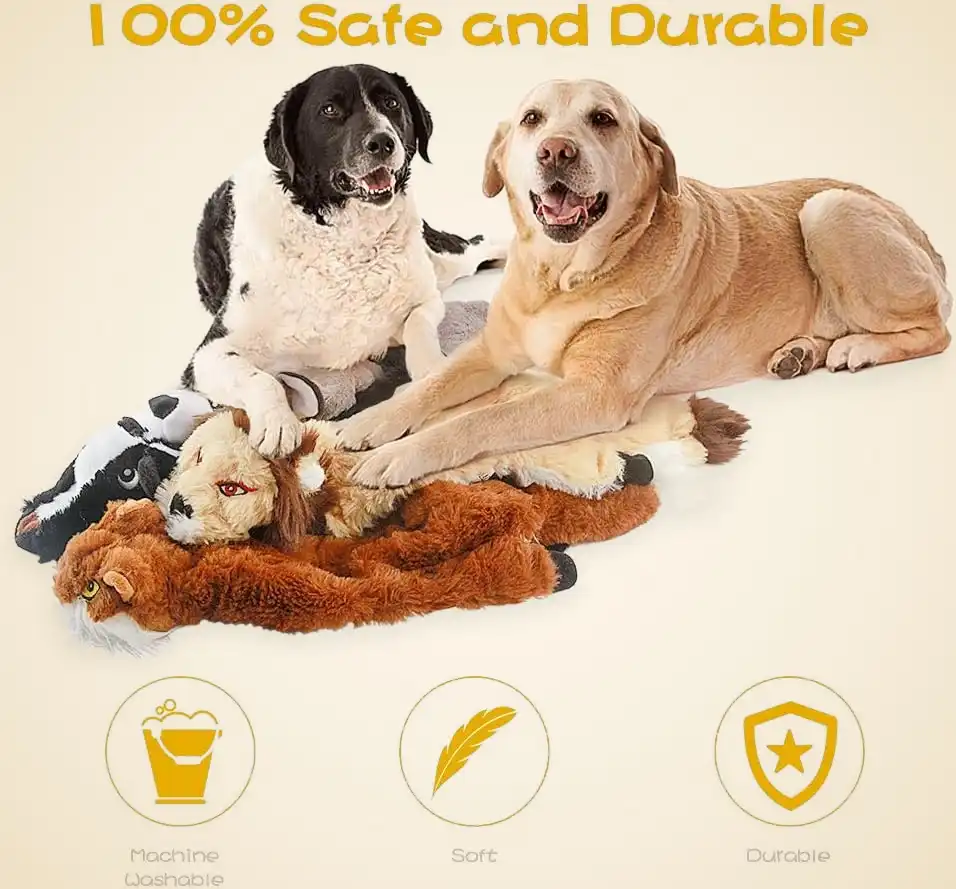
Understanding the Challenges of Cleaning Plush Dog Toys
Why Material Composition Determines Your Cleaning Approach
Polyester, cotton, or a mix of the two are often used to make the outside of a dog plush toy. Polyester plush toys don't shrink when they're cleaned, but cotton blends might get wrinkled if you wash them in hot water. And even more care needs to be taken with eco-friendly ones made from recycled fibers. The American Pet Products Association (APPA) said in 2021 that the market for pet toys in the U.S. was worth more than $2.3 billion. The group of dog plush toys grew the fastest, which means that a lot of them need to be taken care of.
A dog plush toy is more difficult because of the parts inside than the type of fabric. Most of them have poly-fill filler, which soaks up water fast. As long as the water isn't completely gone, mold and bacterial colonies can grow in 24 to 48 hours in humid storage. There is a real chance that this could happen, which could cause customers to return items and hurt the business.
The Hidden Cost of Improper Cleaning
The color in dog plush toys is washed away when they are washed the wrong way. The joints also become less stable, and the squeaker internals get worse. Many businesses that buy in bulk lose a lot of money when 2% of their items are sent back because they are dirty. It's not just a good idea for buyers to know about material-specific risks; it's also an important part of buying things.
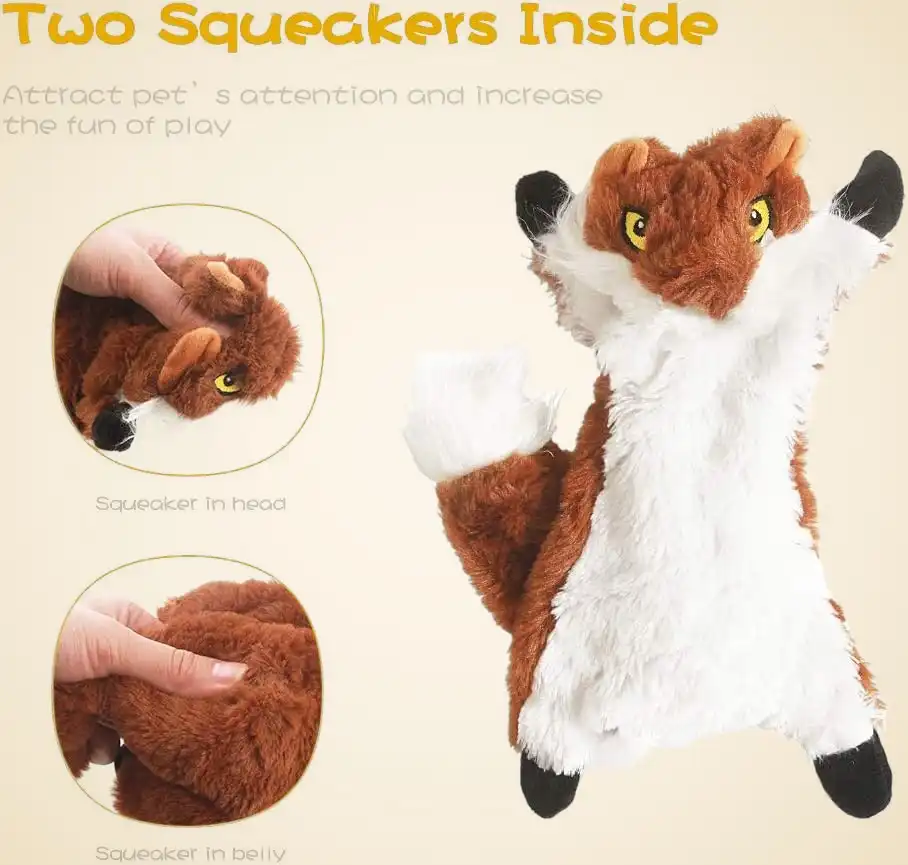
Traditional vs. Modern Cleaning Methods for Plush Dog Toys
Many changes have been made to the best ways to clean over the years. Most buyers don't realize how different the current best ways are from the old ones.
Where Hand Washing and Surface Wipes Fall Short
Light dirt can be washed away by hand, but it rarely gets into the stuffing of a dog plush toy. You can clean up small areas with surface wipes, but they leave behind wetness if you don't dry them the right way. Bleach and other strong chemicals used for cleaning break down fibers faster and hurt the dyes' ability to stay colored, which is something that the EN 71 and ASTM F963 standards specifically check for.
Modern Protocols That Protect Toy Integrity
There are now different levels of service in the cleaning business, which is a good compromise between care and safety. These are the main methods that sellers and wholesalers who care about quality use right now:
- Cold-cycle machine washing because the temperature is below 30°C, synthetic dog plush toy fibers don't get deformed when they are washed on the cold cycle. This method keeps raised logos, embroidery on the outside, and things that are attached safe from wear and tear when used with a mesh wash bag.
- Steam cleaning doesn't use any chemicals and gets into the toy's stuffing to kill germs and allergens without making it too wet. For squeaky dog plush toys, that helps a lot because submerging them all the way could permanently damage the sound system.
- UV sterilization some daycares and professional kennels are using UV sterilization more and more. Under UV-C light, up to 99.9% of skin germs can be killed in less than two minutes. It can be bulk-treated before being reshelved or repacked because of this.
These ways don't rule out the other one. It shows that suppliers care about their goods when they include cleaning directions in the paperwork that goes with them. This is something that purchasing managers look for in long-term seller relationships.
Step-by-Step Guide: How to Clean Plush Dog Toys Safely and Efficiently
A good way to clean starts with an assessment, not with washing. People who handle bulk often make mistakes when they skip this step.
Step 1 — Assess and Sort by Material and Contamination Level
Look at the care instructions on the label of each dog plush toy to see if it is dirty, smells bad, or has any damage to the structure. Toys that have metal or computer parts inside should not be washed with toys that can be washed in the washing machine. If the toys are really dirty, they might need to soak for 10 to 15 minutes in a weak enzyme cleaner that is safe for pets.
Step 2 — Wash According to Fabric Type
Cotton and dog plush toys work well in a cold, gentle wash cycle. Use a cleaner that is good for the environment and doesn't smell bad. For things sold to people with kids or older dogs whose immune systems aren't as strong, this is very important. That's why you should never use fabric softener on your dog. When they chew on synthetic fibers, the residue can hurt their mouth.
If the design of the dog plush toy lets you, take out the squeaker and fix it. If not, clean the toy in spots with a damp microfiber cloth and some dish soap that has been dampened.
Step 3 — Dry Thoroughly Before Storage or Repackaging
The best way to dry something is in the air. Put washed dog plush toys flat on a clean, well-ventilated surface and wait at least four to six hours. If you want to make dog plush toys last longer, you can spin dry them on low heat. But high heat will damage the synthetic shell and any plastic parts inside, like squeakers. It's not good if a toy gets to the store shelf or the customer's house while still being wet inside. Mold growth is bad for your health and the picture of the brand.
When it's dry, give it one last look to make sure the seams are still together, nothing that can be taken off has come loose, and the squeaker still works if it has one.
Best Practices for Maintaining Plush Dog Toys in B2B Supply Chains
Distributors and supply managers have to do a lot more than just wash dog plush toys to keep them clean.
Storage and Packaging Protocols That Reduce Contamination Risk
Where the toys are kept between being made and being sold directly affects how clean they are. Dog plush toys should be kept in climate-controlled rooms with relative humidity below 60% so that mold doesn't grow in the poly-fill stuffing. Individual poly bags with desiccant sachets are another way to keep things dry during transport, especially for ocean freight shipments that take three to six weeks.
It is important to check both production lines and storage areas for dirt and grime. When they look for new providers, many buying teams don't look at this gap.
Using Cleaning Protocols as a Brand Differentiator
If a brand puts clear, easy-to-find care and cleaning directions on hang tags, in packages with a QR code, or in the product listing, customers are more likely to trust that brand and return items. If a listing on Amazon or Chewy has clear information about how to take care of a pet, it always gets better review scores. This has a direct effect on the listing's organic search ranking on those sites. It's not just nice to know that a product is easy to clean; it can also help you sell it.
FAQ
Are plush dog toys safe for babies after cleaning?
Being clean with chemicals that are safe and don't smell bad is the only way to make sure that a good dog plush toy is safe. Toys for dogs, especially ones with squeakers, aren't checked to meet the safety standards for kids' toys, so they shouldn't be sold as being able to be used for two different things.
How often should plush dog toys be cleaned in bulk storage?
Things that have been in your storage for more than 30 days should be lit up with UV light and then put back in their boxes. Dog plush toys that are used a lot in a kennel or daycare should be cleaned with rubbing alcohol every day and in a machine once a week.
Can all plush dog toys go in the washing machine?
No, toys with fake squeakers, battery parts, or hard plastic pieces only need to be cleaned in a few spots. Check the care mark every time, and if there isn't one, use a damp cloth to clean the surface.
What certifications indicate a hygiene-safe plush dog toy?
Check to see if it meets EN 71, ASTM F963, REACH, and Oeko-Tex Standard 100. With these certificates, you can be sure that the dog plush toy is safe because it has been put through mechanical safety tests that check how hard it is to chew on and pull.
Partner With Kingwe-star for Certified, Cleanable Plush Dog Toys
Kingwe-star, a reputable dog plush toy manufacturer since 2009, has EN 71, ASTM F963, REACH, and Oeko-Tex Standard 100 approvals. More than 100 different countries get their toys. White squeaky plush toys and fully customizable OEM/ODM designs are some of the plush toys we make. They are made with hypoallergenic poly-fill, reinforced seams, and washable fabrics that can be used over and over again. We offer low-MOQ samples and can get them to you in three days. It is quick and safe to test the market this way. Feel free to email our team at luna@bllgift.com or visit bllgift.com right now to get samples and look through our dog plush toys.
Conclusion
Dog plush toys should be cleaned in a certain way to keep pets safe, protect the brand, and cut down on returns all along the supply chain. Three important parts of a good upkeep plan are knowing the material, picking the right way to clean it, and checking it afterward. A reasonable way for business-to-business buyers to make sure that the quality of the products they buy stays the same is for them to use these standards when they buy things and judge suppliers. If you want to make a white squeaker dog plush toy for a holiday gift box or just make more of a core SKU, you should make sure the design is clean from the start.
References
- American Pet Products Association (APPA). APPA National Pet Owners Survey. 2021–2022.
- ASTM International. ASTM F963: Standard Consumer Safety Specification for Toy Safety. 2023.
- European Committee for Standardization. EN 71 Safety of Toys — Part 3: Migration of Certain Elements. 2019.
- Oeko-Tex Association. Oeko-Tex Standard 100: Testing for Harmful Substances. 2023.
- European Chemicals Agency (ECHA). REACH Regulation: Registration, Evaluation, Authorisation and Restriction of Chemicals. 2022.
- Centers for Disease Control and Prevention (CDC). Environmental Infection Control in Health-Care Facilities: Mold Prevention and Humidity Control. 2019.

_1779183491779.png)
_1779179662775.png)
(1)_1785312457199.png)